

Carbon steel runs through almost every major industrial sector in Gauteng and it is the backbone behind manufacturing, mining, and construction projects. Most people only look at the price tag or basic strength, thinking all steel is basically the same. Yet carbon steel can have a tensile strength ranging from 350 to 1000 megapascals depending on the grade and even a small shift in carbon content can transform its weldability, durability, and performance. That small detail could save thousands or end up costing millions if you make the wrong pick.
Table of Contents
- Key Carbon Steel Properties Explained
- Types Of Carbon Steel And Applications
- Factors Influencing Carbon Steel Performance
- Selecting Carbon Steel In Gauteng Sectors
Quick Summary
| Takeaway | Explanation |
|---|---|
| Understand carbon steel properties for application suitability | Knowledge of mechanical, corrosion, and welding properties is vital for selecting the right steel for industrial uses. |
| Choose the right carbon steel type based on requirements | Low, medium, and high carbon steels each serve different industrial needs ranging from forming to maximum strength applications. |
| Consider environmental factors for durability | Environmental exposures such as humidity and temperature can significantly impact corrosion resistance and overall performance of carbon steel. |
| Evaluate specific sector needs for material selection | Different industries like manufacturing, construction, and mining have unique specifications that should guide carbon steel selection. |
| Utilize processing and heat treatment methods for performance | Proper thermomechanical processing and heat treatments can enhance carbon steel’s mechanical properties and durability. |
Key Carbon Steel Properties Explained
Carbon steel remains a fundamental material in industrial manufacturing, with its unique properties determining its wide-ranging applications across multiple sectors. Understanding these properties is crucial for engineers, procurement managers, and industrial professionals seeking optimal material performance.
Mechanical Characteristics and Structural Integrity
Carbon steel’s mechanical properties are primarily defined by its carbon content, which significantly influences its strength, ductility, and overall performance. The National Renewable Energy Laboratory highlights that carbon content directly impacts the steel’s tensile strength and structural characteristics.
Tensile strength in carbon steel ranges from 350 to 1000 megapascals, depending on the specific grade and carbon percentage. Lower carbon steels typically demonstrate higher ductility, making them ideal for forming and shaping processes. Higher carbon concentrations enhance hardness and strength but reduce malleability, which means careful selection is critical for specific industrial applications.
Corrosion Resistance and Material Durability
Understanding carbon steel’s corrosion resistance is essential for long-term industrial performance. While standard carbon steel is susceptible to oxidation, manufacturers can enhance its protective capabilities through various treatment processes. Materials Science research indicates that controlled heat treatments and surface coatings can significantly improve the material’s resistance to environmental degradation.
Key factors influencing corrosion resistance include:
- Carbon concentration: Higher carbon content can reduce corrosion resistance
- Alloying elements: Strategic additions like chromium can enhance protective characteristics
- Surface treatments: Galvanization and specialized coatings extend material lifespan
Weldability and Fabrication Potential
Carbon steel’s weldability represents another critical property for industrial applications. The material’s carbon content directly impacts its welding characteristics, with lower carbon steels generally offering superior weldability. Welding performance depends on factors such as carbon equivalent value, which predicts the steel’s susceptibility to cracking and determines appropriate welding techniques.
Industrial professionals must consider specific grades based on their intended application, balancing mechanical strength, corrosion resistance, and fabrication requirements. Precise material selection ensures optimal performance in demanding environments, from heavy manufacturing to infrastructure development.
By comprehensively understanding these carbon steel properties, Gauteng industries can make informed decisions about material selection, ultimately optimising performance, reducing costs, and enhancing overall project efficiency.
Types of Carbon Steel and Applications
Carbon steel encompasses a diverse range of materials classified by their carbon content, each offering unique characteristics that make them suitable for specific industrial applications. Understanding these variations is crucial for selecting the right material for complex engineering and manufacturing challenges.
Low Carbon Steel: Versatility and Formability
The National Renewable Energy Laboratory identifies low carbon steel as a fundamental material with carbon content typically ranging from 0.05% to 0.25%. This category of carbon steel is characterized by exceptional ductility, weldability, and ease of forming, making it an ideal choice for numerous industrial applications.
Key applications for low carbon steel include:
- Structural components: Construction frameworks, building infrastructure
- Automotive body panels: Vehicle manufacturing and sheet metal work
- Piping systems: Water distribution and industrial fluid transport
- Machinery parts: General manufacturing equipment requiring malleable materials
Medium Carbon Steel: Balancing Strength and Workability
ASTM International provides detailed specifications for medium carbon steel, which contains carbon content between 0.25% and 0.60%. This steel type offers a critical balance between strength and workability, making it essential for more demanding industrial applications that require enhanced mechanical properties.
Medium carbon steel finds extensive use in:
- Automotive components: Crankshafts, gears, and transmission parts
- Railway tracks: High-stress transportation infrastructure
- Agricultural machinery: Equipment requiring durability and moderate strength
- Machine tool manufacturing: Components needing improved wear resistance
High Carbon Steel: Maximum Strength and Hardness
High carbon steel, containing between 0.60% and 1.50% carbon, represents the pinnacle of strength and hardness among carbon steel variants. Research from the National Renewable Energy Laboratory highlights its critical role in applications demanding extreme durability and wear resistance.
Primary applications for high carbon steel include:
- Cutting tools: Precision engineering implements
- Automotive springs: Suspension and high-stress mechanical components
- Wear-resistant parts: Industrial machinery requiring exceptional hardness
- Specialized construction elements: High-strength structural applications
Industrial professionals in Gauteng must carefully evaluate their specific requirements, considering factors such as mechanical stress, environmental conditions, and manufacturing processes when selecting the appropriate carbon steel type. The nuanced differences between low, medium, and high carbon steels provide engineers and manufacturers with a versatile range of materials to address complex industrial challenges.
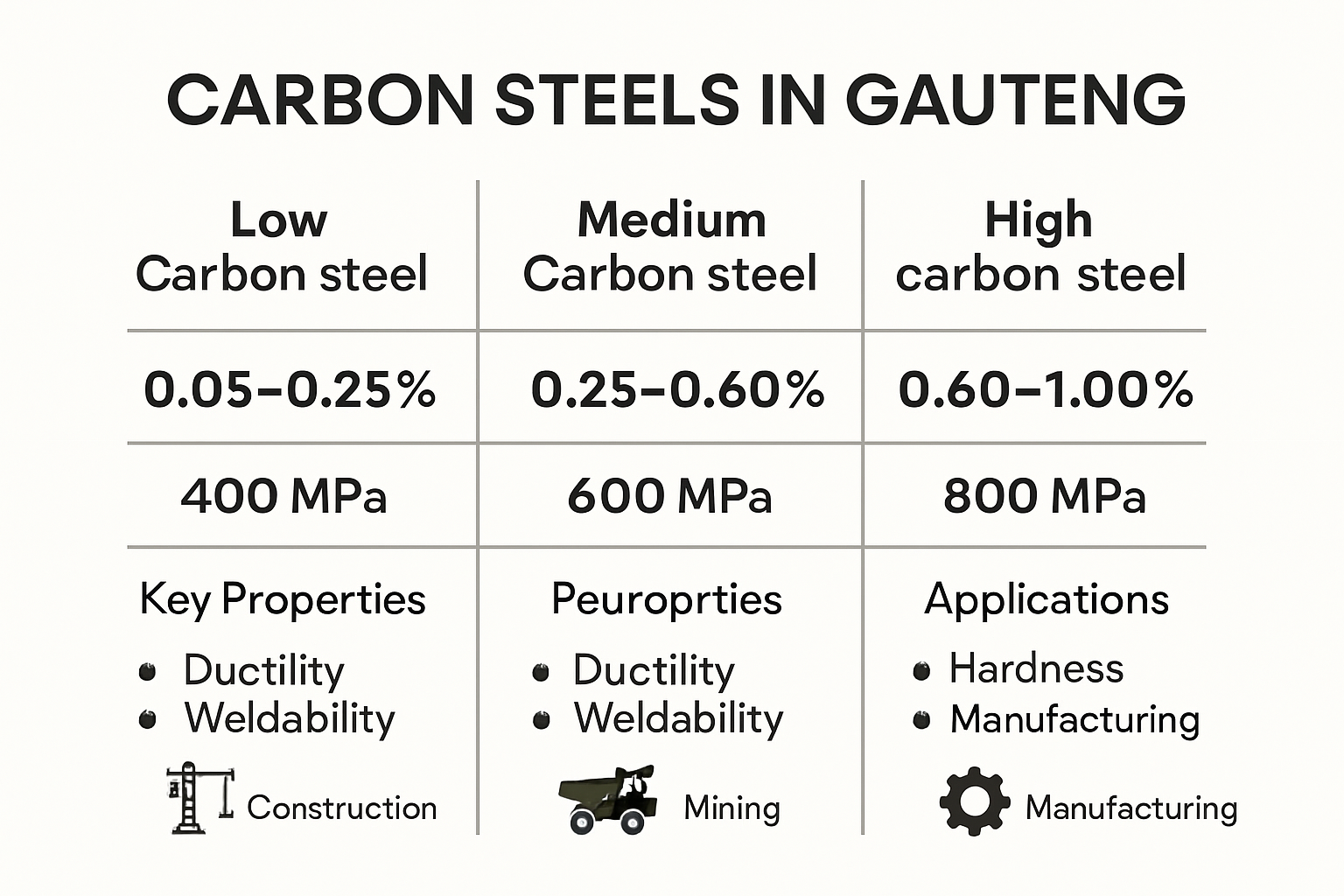
To help you quickly compare the main types of carbon steel and their characteristics, the following table summarizes their carbon content range, properties, and typical examples of industrial uses:
| Steel Type | Carbon Content | Key Properties | Typical Applications |
|---|---|---|---|
| Low Carbon Steel | 0.05% – 0.25% | High ductility, excellent weldability | Frameworks, body panels, piping, machinery |
| Medium Carbon Steel | 0.25% – 0.60% | Good strength, moderate ductility | Gears, tracks, agriculture, tool parts |
| High Carbon Steel | 0.60% – 1.50% | Maximum hardness, high strength, less formable | Cutting tools, springs, wear-resistant parts |
Factors Influencing Carbon Steel Performance
Carbon steel performance is a complex interplay of multiple factors that determine its effectiveness in industrial applications. Understanding these critical influences allows engineers and manufacturers to optimize material selection and performance across diverse operational environments.
Chemical Composition and Microstructural Characteristics
The National Renewable Energy Laboratory highlights that chemical composition represents the foundational element driving carbon steel performance. Beyond carbon content, trace elements like manganese, silicon, and chromium play pivotal roles in determining mechanical properties and overall material behavior.
Microstructural characteristics emerge as another crucial performance determinant. The arrangement of carbon atoms within the steel’s crystalline structure directly impacts its mechanical properties. Factors such as grain size, phase composition, and distribution of carbide particles significantly influence the material’s strength, ductility, and resistance to mechanical stress.
For reference, the following table organizes key microstructural and compositional factors affecting carbon steel performance along with their specific impacts:
| Factor | Description | Impact on Performance |
|---|---|---|
| Carbon Content | Percentage of carbon in steel | Determines strength, hardness, ductility |
| Grain Size | Size of individual crystals | Smaller grains = higher strength |
| Alloying Elements | Additions like Mn, Cr, Si | Enhances specialized properties |
| Carbide Distribution | Arrangement of carbide particles | Influences wear resistance and toughness |
| Phase Composition | Types of phases in microstructure | Affects mechanical behaviour and response |
Key microstructural considerations include:
- Grain refinement: Smaller grain sizes enhance material strength
- Phase transformations: Heat treatment processes can modify steel’s internal structure
- Carbide distribution: Influences wear resistance and mechanical properties
Thermomechanical Processing and Heat Treatment
Thermomechanical processing represents a sophisticated approach to enhancing carbon steel performance. Controlled heating, cooling, and mechanical deformation can dramatically alter the material’s mechanical and metallurgical characteristics. Materials Science research demonstrates that precise thermal cycles can optimize steel’s microstructure, improving its overall performance.
Critical heat treatment techniques include:
- Normalizing: Refines grain structure and improves mechanical properties
- Quenching: Increases hardness and strength
- Tempering: Reduces internal stresses and enhances ductility
Environmental Exposure and Corrosion Mechanisms
Environmental conditions play a significant role in carbon steel performance, with factors like humidity, temperature, and chemical exposure directly impacting material longevity. Corrosion represents a primary challenge, potentially compromising structural integrity and reducing operational lifespan.
Strategies for mitigating environmental degradation include:
- Protective coatings: Specialized surface treatments
- Alloying elements: Introducing corrosion-resistant components
- Cathodic protection: Electrochemical methods to prevent oxidation
Industrial professionals in Gauteng must adopt a holistic approach when evaluating carbon steel performance. By understanding the intricate relationships between chemical composition, processing techniques, and environmental challenges, manufacturers can develop more robust and reliable steel solutions tailored to specific industrial requirements.
The complexity of carbon steel performance demands continuous research and innovative approaches. As industrial demands evolve, so too must our understanding of these critical material properties, ensuring that carbon steel remains a cornerstone of modern manufacturing and engineering.
Selecting Carbon Steel in Gauteng Sectors
Selecting the appropriate carbon steel for industrial applications in Gauteng requires a strategic approach that considers multiple technical and operational parameters. Each industrial sector presents unique challenges that demand precise material selection to ensure optimal performance and cost-effectiveness.
Manufacturing and Industrial Equipment Requirements
The National Renewable Energy Laboratory highlights the critical considerations for carbon steel selection in industrial environments. Manufacturing sectors in Gauteng must evaluate material properties beyond basic mechanical characteristics, focusing on long-term reliability and performance under specific operational conditions.
Key selection criteria for manufacturing applications include:
- Mechanical stress tolerance: Ability to withstand repetitive loading
- Temperature resistance: Performance across varying operational temperatures
- Machinability: Ease of fabrication and processing
- Cost-effectiveness: Balancing material performance with economic constraints
Infrastructure and Construction Sector Considerations
Gauteng’s infrastructure and construction sectors demand carbon steel with exceptional structural integrity and durability. Material selection involves comprehensive assessment of environmental conditions, expected load-bearing requirements, and long-term performance characteristics.
Critical factors for infrastructure applications include:
- Corrosion resistance: Protection against environmental degradation
- Weldability: Ease of joining and fabrication
- Strength-to-weight ratio: Optimizing structural design efficiency
- Compliance with local engineering standards: Meeting regulatory requirements
Mining and Heavy Industrial Applications
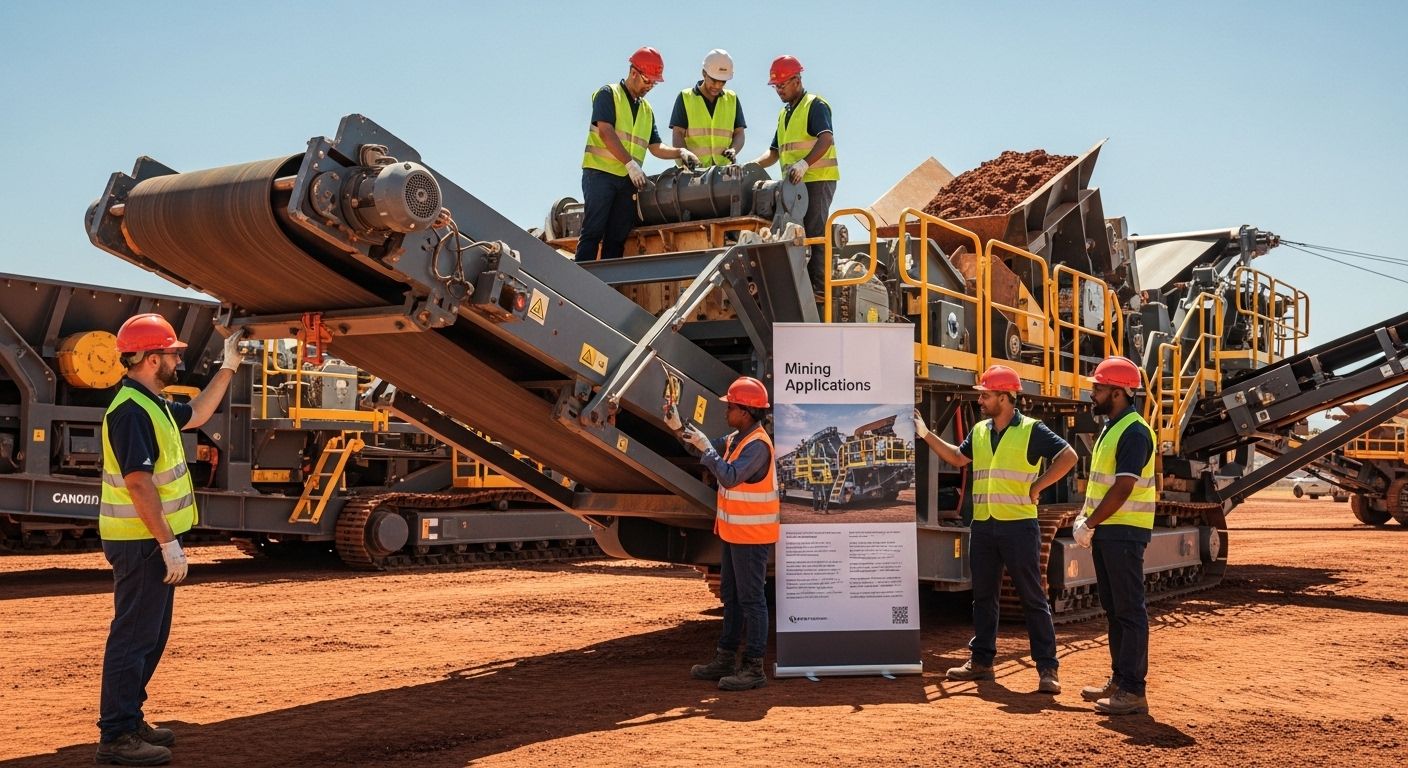
Mining and heavy industrial sectors in Gauteng require carbon steel with extreme durability and resistance to harsh operational environments. Genesis Steel’s specialized expertise plays a crucial role in supporting these demanding industrial requirements.
Selection parameters for mining and heavy industrial applications include:
- Wear resistance: Ability to withstand abrasive conditions
- Impact strength: Resilience under high-stress environments
- Chemical composition: Tailored alloy characteristics for specific industrial needs
- Fatigue resistance: Long-term performance under continuous mechanical stress
Professionals in Gauteng must adopt a holistic approach to carbon steel selection, considering not just immediate performance requirements but also long-term economic and operational implications. This involves collaboration between materials engineers, procurement specialists, and industry experts to develop comprehensive material strategies.
The complexity of material selection demands continuous evaluation of emerging technologies, manufacturing techniques, and industry-specific challenges. As Gauteng’s industrial landscape evolves, so too must the approach to selecting and implementing carbon steel solutions that drive efficiency, reliability, and technological advancement.
Frequently Asked Questions
What are the main properties of carbon steel that affect its performance in industrial applications?
Carbon steel properties that influence performance include tensile strength, ductility, corrosion resistance, and weldability. The carbon content directly impacts these properties, making it crucial to select the right grade for specific applications.
How do different carbon steel types vary in terms of their applications?
Low carbon steel is known for its versatility and is used in products like automotive body panels and structural components. Medium carbon steel balances strength and workability, suited for automotive parts and agricultural machinery. High carbon steel offers maximum strength and is ideal for cutting tools and wear-resistant parts.
What factors should be considered when selecting carbon steel for construction projects in Gauteng?
When selecting carbon steel for construction, consider factors like corrosion resistance, weldability, strength-to-weight ratio, and compliance with local engineering standards. Understanding the environmental conditions and load-bearing requirements is also essential for long-term performance.
How does thermomechanical processing improve carbon steel’s mechanical properties?
Thermomechanical processing enhances carbon steel’s properties by controlling heating, cooling, and deformation. Techniques such as normalizing, quenching, and tempering can refine grain structure, increase hardness, and improve overall performance, making the steel more suitable for demanding applications.
Get the Carbon Steel Grade You Can Trust for Gauteng Industries
Choosing the right carbon steel is not just about the specs on paper. In Gauteng, your project’s success relies on properties like tensile strength, corrosion resistance and weldability all working together. The risks are real: the wrong steel grade could lead to unexpected failures or soaring replacement costs. When your business faces tough deadlines and strict quality controls, you need a supplier who understands that every sheet or plate matters.
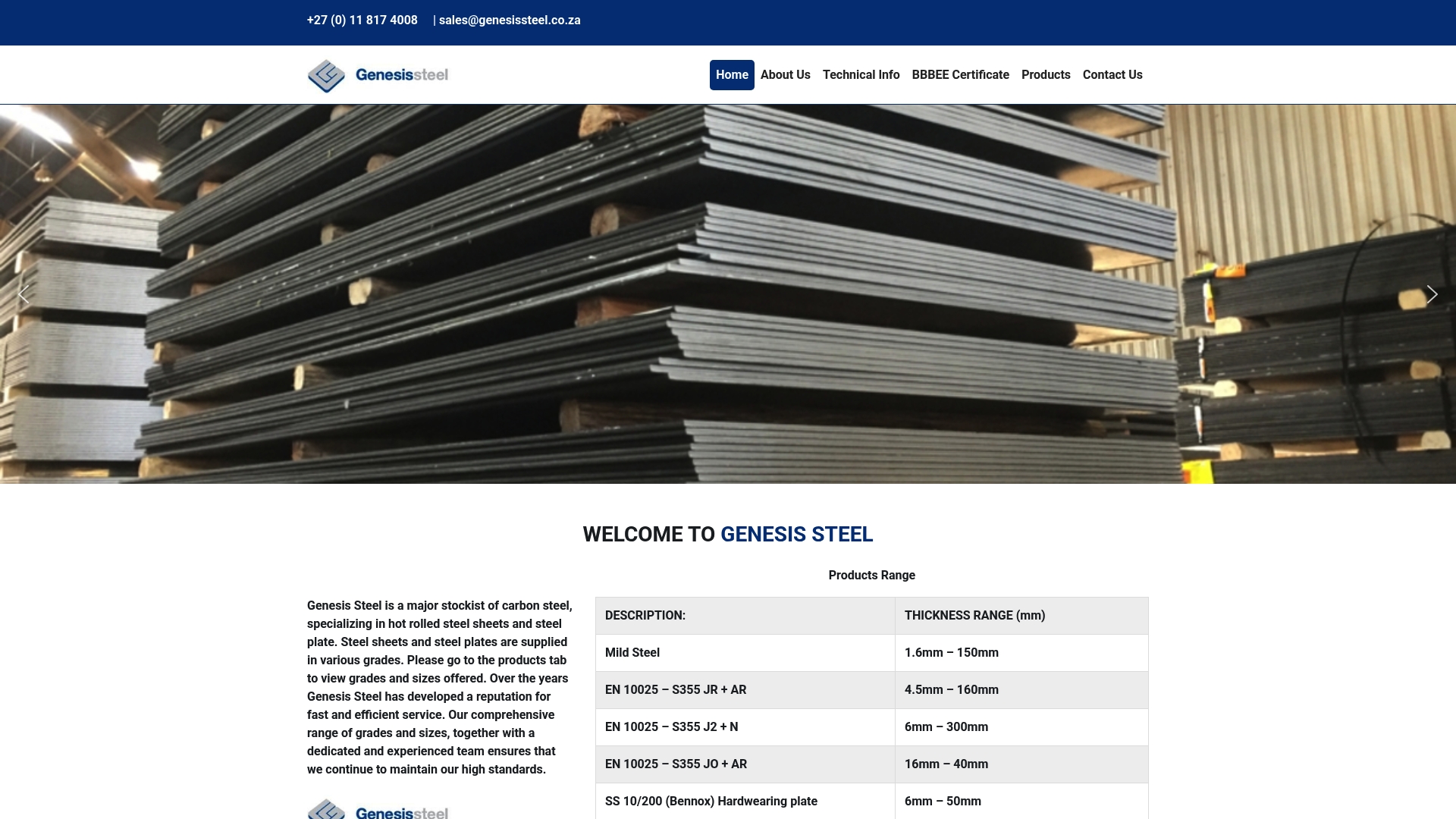
At Genesis Steel, we offer a wide selection of hot-rolled steel sheets and plates in various grades that match the demands highlighted in the article. Our experienced team helps you tackle challenges such as structural integrity, heavy industrial wear and the specific needs of Gauteng’s construction and mining sectors. Every order is backed by fast service and skilled support, so your projects stay on track. Visit Genesis Steel now or speak to our experts about sourcing the carbon steel that gives you the right blend of strength and long-term value. Protect your bottom line and secure superior performance for 2025 and beyond.