

Sustainable development in engineering is no longer a trendy buzzword. It is about choosing solutions that keep both communities and the planet in mind. You might think this is all just theory with little real impact. But lifecycle analysis now drives decisions on everything from massive city transport projects to factory design, changing how engineers work from the ground up. The biggest surprise is that this shift is not about limiting progress. It is showing how smarter, greener designs can save resources, cut costs, and create technology that actually fits into our future.
Table of Contents
- What Is Sustainable Development In Engineering?
- Why Sustainable Development Matters In Engineering
- Key Principles Of Sustainable Development In Engineering
- Real-World Applications Of Sustainable Engineering
- Future Trends In Sustainable Development In Engineering
Quick Summary
| Takeaway | Explanation |
|---|---|
| Sustainable engineering balances environment, economy, and society. | It integrates ecological awareness with economic viability and social responsibility in engineering practices. |
| Lifecycle systems thinking is essential. | Evaluating the entire lifecycle of technology ensures sustainable decisions, minimizing long-term negative impacts on the environment. |
| Emerging technologies drive sustainable solutions. | Digital tools like AI and IoT enhance precision in sustainability assessments and optimize resource use in engineering. |
| Regenerative engineering creates positive environmental impacts. | This approach goes beyond reducing harm to actively restoring ecosystems and enhancing climate resilience through innovative technologies. |
| Community engagement is critical for sustainable solutions. | Solutions must address local needs, support economic opportunities, and respect cultural contexts for true sustainability. |
What is Sustainable Development in Engineering?
Sustainable development in engineering represents a comprehensive approach to designing, constructing, and managing technological solutions that balance environmental protection, economic viability, and social responsibility. At its core, this concept transforms traditional engineering practices by integrating long term strategic thinking with holistic problem solving.
Defining Sustainable Engineering Principles
Engineering professionals recognize sustainable development as more than an environmental strategy. It is a systematic methodology that considers the entire lifecycle of technological interventions. Sustainable engineering research demonstrates that successful implementations require a multidimensional perspective that goes beyond immediate project requirements.
Key principles of sustainable development in engineering include:
The following table summarises key principles of sustainable engineering alongside their practical objectives, helping clarify how each principle supports broader sustainable development goals in the engineering profession.
| Principle | Primary Objective | Example Focus |
|---|---|---|
| Minimising resource consumption | Reduce use of raw materials and natural resources | Improving energy and water efficiency in project design |
| Reducing environmental impact | Lower emissions, pollution and ecosystem harm | Decreasing carbon footprint of urban infrastructure |
| Lifecycle systems thinking | Address impacts from design to end-of-life | Evaluating recyclability and adaptability of components |
| Ecological and social integration | Balance environmental needs with social benefits | Supporting communities and preserving cultural contexts |
| Creating societal benefits | Deliver long-term positive outcomes for society | Enhancing quality of life through inclusive development |
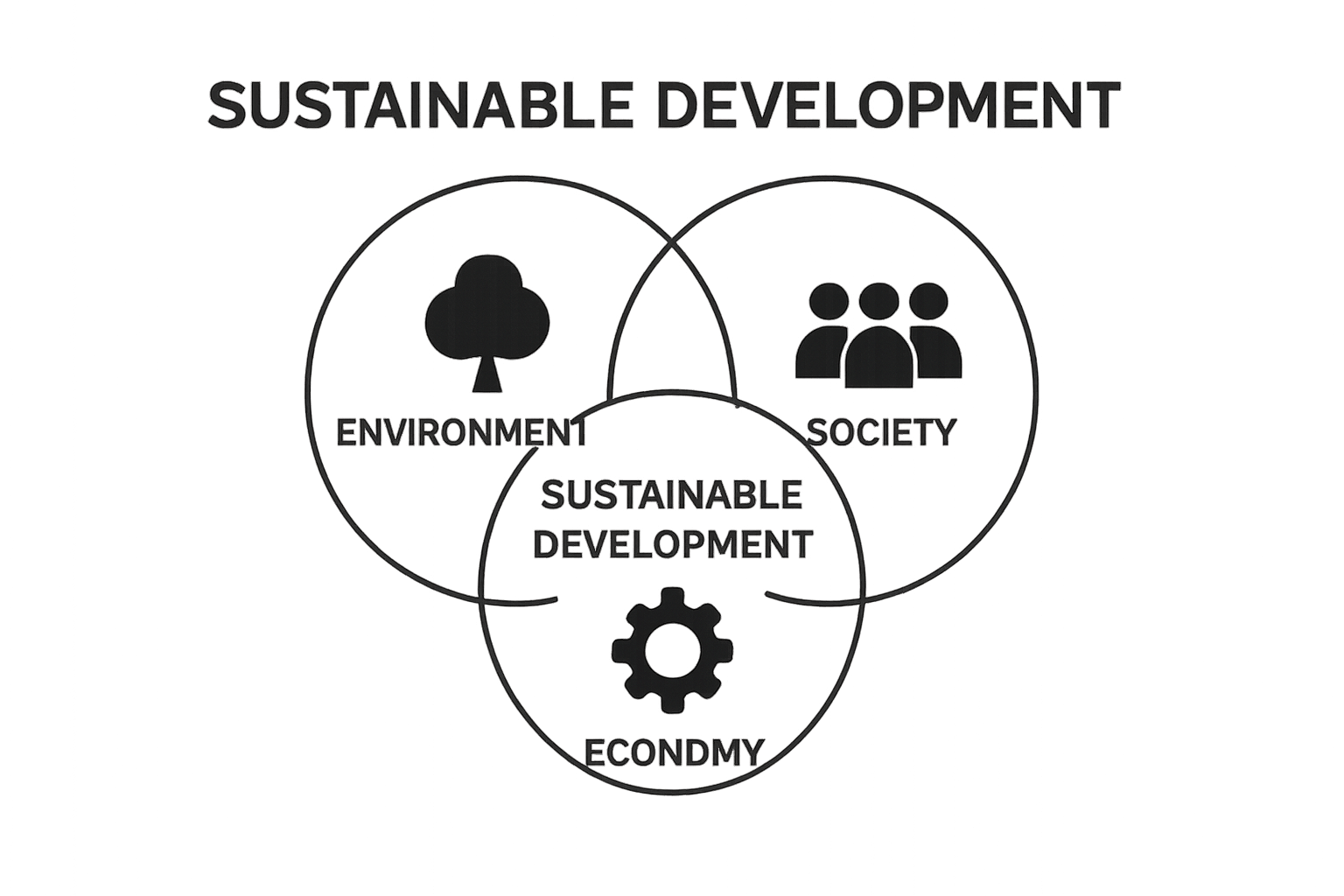
- Minimizing resource consumption
- Reducing environmental impact
- Creating solutions with long term societal benefits
Environmental and Economic Integration
Sustainable engineering seeks to harmonize technological innovation with ecological constraints. This approach requires engineers to develop solutions that are not just technically sound but also environmentally responsible and economically feasible. By considering carbon footprints, energy efficiency, and circular economy models, engineers can create solutions that generate value while protecting natural ecosystems.
The ultimate goal of sustainable development in engineering is to design systems and technologies that support human progress without compromising future generations ability to meet their own needs. This requires a fundamental shift from traditional linear engineering models to more adaptive, regenerative approaches that prioritize resilience and systemic thinking.
By embracing sustainable development principles, engineering professionals can create transformative solutions that address complex global challenges while maintaining economic viability and environmental stewardship.
This table compares traditional engineering approaches with sustainable engineering, highlighting how priorities and outcomes have shifted to address modern environmental and societal challenges.
| Aspect | Traditional Engineering | Sustainable Engineering |
|---|---|---|
| Primary Focus | Technical performance and cost | Environmental, social, and economic integration |
| Resource Use | Linear consumption, little reuse | Resource efficiency, recycling, circular economy |
| Environmental Consideration | Often secondary or minimal | Central to project planning and implementation |
| Community Engagement | Rare or limited | Essential for solution relevance and acceptance |
| Lifecycle Perspective | Project delivery stage mainly | Entire lifecycle from design to end-of-life |
Why Sustainable Development Matters in Engineering
Sustainable development in engineering transcends theoretical concepts and represents a critical strategic response to global environmental challenges. Modern engineering professionals recognize that their work directly impacts planetary ecosystems, economic systems, and social structures, making sustainability not just an option but an absolute necessity.
Global Environmental Imperatives
The urgent need for sustainable engineering solutions stems from escalating environmental pressures. United Nations research highlights that engineering interventions play a pivotal role in addressing climate change, resource depletion, and ecological degradation. By reimagining technological approaches, engineers can create transformative solutions that minimize negative environmental impacts while maximizing societal benefits.
Critical environmental challenges that sustainable engineering addresses include:
- Reducing greenhouse gas emissions
- Protecting biodiversity
- Mitigating climate change risks
- Conserving natural resources
Economic and Social Transformation
Sustainable development in engineering is not merely an environmental strategy but a comprehensive approach to economic and social progress. By integrating ecological considerations with technological innovation, engineers can develop solutions that generate economic value while supporting community resilience and social equity.
Engineering professionals who embrace sustainable development contribute to broader systemic changes. They create technologies and infrastructure that support long term human well being, reduce waste, and promote circular economic models. This approach ensures that technological progress does not come at the expense of environmental integrity or social stability.
Ultimately, sustainable development in engineering represents a profound commitment to responsible innovation. It challenges engineers to think beyond immediate project requirements and consider the long term consequences of their technological interventions, ensuring that progress serves both current and future generations.
Key Principles of Sustainable Development in Engineering
Sustainable development in engineering requires a comprehensive framework that goes beyond traditional technical considerations. These principles serve as strategic guidelines that transform engineering practices from narrow project focused approaches to holistic solutions addressing complex global challenges.
Lifecycle Systems Thinking
Lifecycle analysis represents a fundamental principle of sustainable engineering. Sustainable engineering research emphasizes examining the entire trajectory of technological interventions from initial design through final disposal. This approach ensures engineers consider long term environmental and social consequences beyond immediate project requirements.
Key components of lifecycle systems thinking include:
- Evaluating resource consumption across all project stages
- Understanding potential environmental impacts
- Designing for future recyclability and adaptability
- Minimizing waste generation
Ecological and Social Integration
Sustainable engineering principles demand a profound integration of ecological constraints with social needs. Engineers must develop solutions that simultaneously address environmental protection, economic viability, and community well being. This requires moving beyond traditional technical metrics to incorporate broader systemic considerations that recognize the interconnected nature of human and natural systems.
The principle of ecological and social integration challenges engineers to create technologies that:
- Support local community development
- Preserve biodiversity
- Generate economic opportunities
- Respect cultural contexts
By embracing these principles, engineering professionals transform their role from mere technical problem solvers to strategic innovators who can design regenerative solutions that contribute positively to planetary and societal health. Sustainable development in engineering is not about compromise but about creating more intelligent, responsive, and holistic approaches to technological innovation.
Real-World Applications of Sustainable Engineering
Sustainable engineering transforms theoretical principles into tangible solutions that address critical global challenges across multiple sectors. By integrating environmental consciousness with technological innovation, engineers are developing practical interventions that demonstrate the profound potential of sustainable design approaches.
Infrastructure and Urban Development
Sustainable urban planning research reveals how sustainable engineering principles are revolutionizing infrastructure design. Modern urban environments are increasingly adopting strategies that minimize environmental impact while enhancing community resilience and quality of life.
Key sustainable urban engineering applications include:
- Green building design with energy efficient systems
- Low carbon transportation infrastructure
- Renewable energy integration in municipal planning
- Water management and conservation technologies
Industrial and Manufacturing Transformations
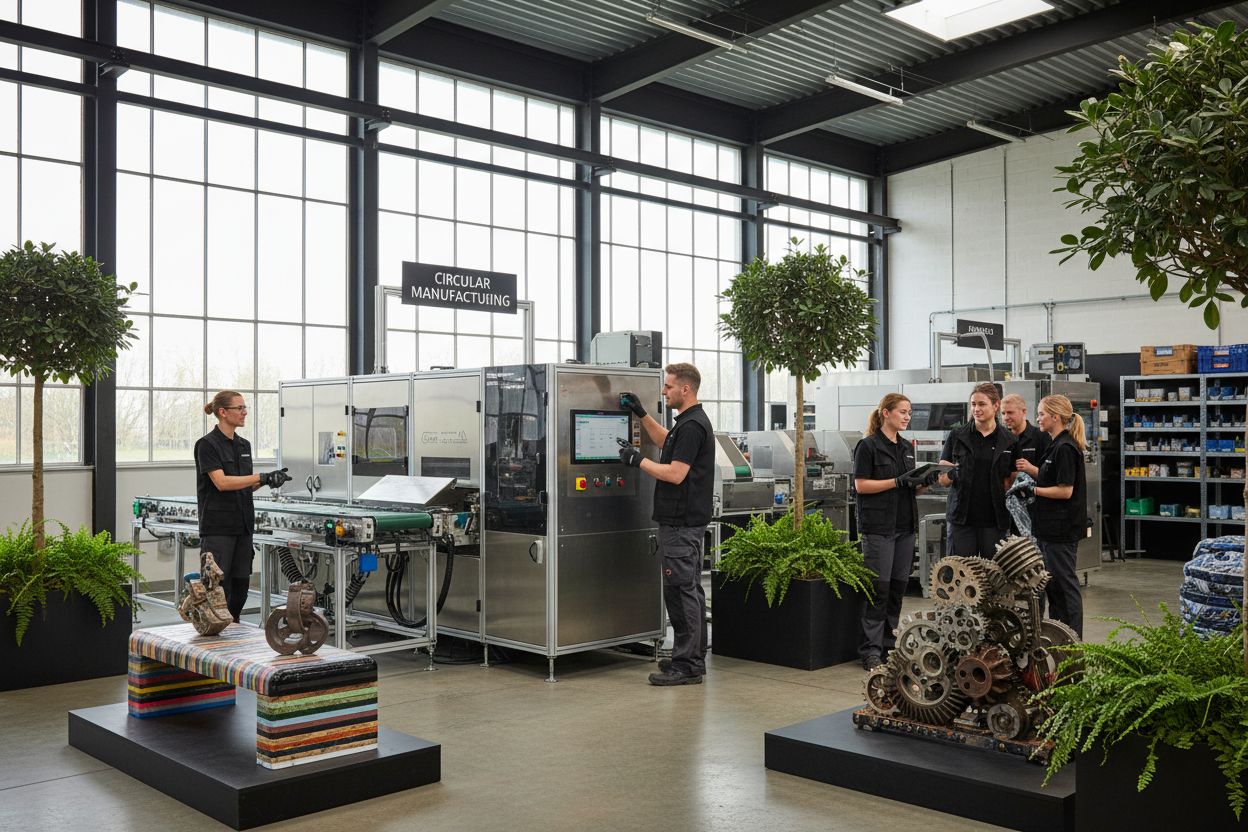
Sustainable engineering is driving significant changes in industrial processes, challenging traditional manufacturing paradigms. Companies are reimagining production methodologies to reduce waste, optimize resource consumption, and develop circular economic models that minimize environmental footprints.
Transformative industrial sustainable engineering approaches encompass:
- Zero waste manufacturing processes
- Renewable energy powered production facilities
- Material recycling and upcycling technologies
- Carbon neutral industrial design strategies
By implementing these innovative approaches, engineering professionals demonstrate that sustainable development is not a restrictive constraint but a pathway to more intelligent, efficient, and responsible technological solutions. Sustainable engineering represents a proactive strategy for addressing complex global challenges while generating economic value and protecting ecological systems.
Future Trends in Sustainable Development in Engineering
Sustainable development in engineering is rapidly evolving, driven by technological advancements, urgent environmental challenges, and a growing global commitment to ecological responsibility. Emerging trends are reshaping how engineers conceptualize, design, and implement technological solutions across multiple sectors.
Advanced Digital Technologies
Emerging technology research highlights the transformative potential of digital technologies in sustainable engineering. Artificial intelligence, machine learning, and sophisticated computational modeling are enabling unprecedented levels of precision in environmental impact assessment and resource optimization.
Key digital technologies driving sustainable engineering include:
-
Artificial intelligence for complex system modeling
-
Internet of Things (IoT) for real time environmental monitoring
-
Advanced data analytics for predictive sustainability strategies
-
Blockchain technologies for transparent resource tracking
Regenerative Engineering Approaches
Future sustainable engineering is moving beyond minimizing negative impacts towards actively regenerating ecological systems. This paradigm shift involves creating technologies and infrastructure that not only reduce environmental harm but actively contribute to ecosystem restoration and climate resilience.
Regenerative engineering strategies encompass:
- Biomimetic design inspired by natural systems
- Carbon negative technologies
- Self healing materials and infrastructure
- Ecosystem restoration through technological interventions
These emerging trends demonstrate that sustainable development in engineering is not a static concept but a dynamic, continuously evolving field. Engineers are increasingly viewed as critical innovators capable of addressing complex global challenges through intelligent, holistic technological solutions that balance human needs with planetary well being.
Ready To Build a More Sustainable Future With Steel?
If reducing environmental impact and promoting long-term resilience is at the heart of your engineering projects, now is the time to choose materials that support your sustainable development goals. The article you have just read highlights how the right materials are key to lifecycle systems thinking, resource efficiency and responsible innovation. With climate change and resource pressures on the rise, your next project needs to be smarter and more future-ready than ever.
Genesis Steel provides hot-rolled steel sheets and steel plates that align perfectly with holistic engineering strategies. Whether you want to lower material waste, ensure consistent supply or get expert advice from a proudly South African team, our decades of experience mean you can act quickly and responsibly. Learn more about our range and see how we help drive sustainable solutions for complex engineering needs. Visit Genesis Steel today and let us help you strengthen your commitment to sustainable development.
Frequently Asked Questions
What is sustainable development in engineering?
Sustainable development in engineering refers to the practice of designing and managing technological solutions that balance environmental protection, economic viability, and social responsibility throughout their lifecycle.
Why is sustainable development important in engineering?
Sustainable development is crucial in engineering due to escalating environmental challenges, such as climate change and resource depletion. It ensures that engineering practices contribute to ecological health and societal well-being, making sustainability an essential strategy for modern engineering.
What are the key principles of sustainable engineering?
The key principles of sustainable engineering include lifecycle systems thinking, ecological integration, minimizing resource consumption, and creating long-term societal benefits, all while reducing environmental impacts.
How is technology advancing sustainable engineering practices?
Technological advancements, such as artificial intelligence, IoT, and advanced data analytics, are enhancing sustainable engineering by allowing for more precise environmental impact assessments, better resource optimization, and the development of innovative solutions that regenerate ecological systems.