

Steel plate sizes might seem like just another technical detail, but their impact on construction and industry in South Africa is massive. Get this. Standard steel plate thicknesses in Gauteng can span from 6mm right up to 100mm, giving engineers and builders a massive range for designing complex projects. What nobody tells you is that choosing the wrong steel plate size can actually sink an entire structure before a single weld gets laid. That flips the whole decision from routine to mission-critical.
Table of Contents
- Understanding The Importance Of Steel Plate Sizes
- Common Steel Plate Sizes Available In Gauteng
- How To Choose The Right Steel Plate Size
- Custom Steel Plate Sizes: When And Why To Consider
- Measuring And Specifying Steel Plate Sizes
- Industry Standards For Steel Plate Sizes
- Best Practices For Ordering Steel Plates
Quick Summary
| Takeaway | Explanation |
|---|---|
| Choose steel plate size carefully | Steel plate dimensions are crucial for structural integrity and project success. Evaluate all relevant factors before selection. |
| Consider environmental conditions | Environmental factors affect steel plate performance. Ensure the selected size can endure specific exposure challenges. |
| Custom sizes can reduce waste | Customized steel plates may initially seem costly, but they can minimize material waste and fabrication complexity in the long run. |
| Standard sizes enhance compatibility | Utilizing standard steel plate sizes improves compatibility and efficiency across manufacturing processes, ensuring safety and reliability. |
| Thorough documentation is essential | Comprehensive technical specifications and certifications are vital for successful procurement and quality assurance in steel plate orders. |
1: Understanding the Importance of Steel Plate Sizes
Steel plate sizes play a critical role in industrial manufacturing, construction, and engineering projects across various sectors. Selecting the appropriate steel plate size determines the structural integrity, performance, and overall success of your project. Understanding steel plate load capacity becomes paramount when planning complex engineering solutions.
The significance of steel plate sizes extends beyond mere dimensions. These specifications directly impact critical project parameters such as material strength, weight distribution, and structural stability. Manufacturers and engineers must carefully evaluate multiple factors when choosing steel plate sizes to ensure optimal performance.
Key considerations when selecting steel plate sizes include:
- Material application and intended use
- Load-bearing requirements
- Environmental conditions
- Fabrication complexity
- Cost-effectiveness
According to research from the University of Johannesburg, adhering to standard steel sizes is crucial for maintaining structural integrity. Deviations from recommended sizes can compromise the entire project’s safety and functionality.
The process of determining appropriate steel plate sizes involves comprehensive analysis of project specifications, material properties, and engineering requirements. Professionals must consider mechanical properties, thickness tolerances, and potential stress factors to make informed decisions.
Steel plate sizes are not one-size-fits-all solutions. Each project demands a tailored approach that considers unique structural needs, load-bearing capacities, and environmental challenges. By understanding these nuanced requirements, engineers and manufacturers can select steel plate sizes that deliver exceptional performance and reliability.
2: Common Steel Plate Sizes Available in Gauteng
In the industrial landscape of Gauteng, steel plate sizes play a pivotal role in manufacturing and construction projects. While specific requirements vary, certain standard sizes dominate the market. Types of steel plates for Gauteng industry reveal a range of dimensions critical for different applications.
The most prevalent steel plate sizes in Gauteng typically range between 6mm to 100mm in thickness, catering to diverse industrial needs. These dimensions are strategically selected to provide optimal performance across multiple sectors including mining, construction, and heavy engineering.
Common steel plate dimensions found in Gauteng include:
- 6mm x 1500mm x 6000mm standard mild steel plate
- 10mm x 2000mm x 8000mm hot rolled steel plate
- 20mm x 2500mm x 12000mm high tensile strength plate
- 50mm x 3000mm x 15000mm thick structural grade plate
According to research from the South African Government’s Competition Act documentation, steel plate production and standardization are crucial for maintaining industrial competitiveness.
Manufacturers and engineers must consider several factors when selecting steel plate sizes. Material grade, intended application, and load-bearing requirements significantly influence the choice of plate dimensions. Precision in size selection ensures structural integrity and optimal performance across various industrial applications.
Regional demand in Gauteng drives the availability of specific steel plate sizes, with local manufacturers adapting to the unique requirements of mining, infrastructure development, and heavy industrial sectors. Understanding these dimensions helps professionals make informed decisions about material selection and project planning.
3: How to Choose the Right Steel Plate Size
Selecting the appropriate steel plate size requires a strategic approach that considers multiple technical and project-specific factors. Project requirements, load-bearing capacities, and environmental conditions are critical considerations in determining the most suitable steel plate dimensions.
Engineers and project managers must conduct a comprehensive evaluation of several key parameters when choosing steel plate sizes. This systematic approach ensures optimal performance and structural integrity across various industrial applications.
Critical factors to consider when selecting steel plate sizes include:
- Anticipated mechanical stress and load requirements
- Specific environmental exposure conditions
- Fabrication and welding complexity
- Budget constraints and material cost
- Long-term durability expectations
According to research from the South African Government’s Manufacturing and Assembly Processes documentation, professional standards emphasize the importance of precise material selection.
Thickness selection remains particularly crucial. Thicker plates provide greater structural strength but increase material weight and cost. Conversely, thinner plates offer reduced weight and potentially lower expenses but may compromise structural performance under significant stress.
Professionals should also evaluate material grade alongside size considerations. High-tensile steel plates might require different dimensional approaches compared to standard mild steel plates. Each material grade presents unique characteristics that influence size selection.
Practical recommendations for choosing steel plate sizes involve conducting thorough mechanical stress analysis, consulting engineering standards, and understanding specific project requirements. Collaboration between design engineers, material specialists, and project managers ensures comprehensive decision-making in steel plate selection.
4: Custom Steel Plate Sizes: When and Why to Consider
Custom steel plate sizes represent a specialized solution for engineering projects requiring precise dimensional specifications beyond standard industry measurements. While conventional steel plates serve many applications, certain complex industrial requirements demand tailored fabrication approaches.
Steel plate versus sheet selection becomes particularly nuanced when addressing unique project constraints. Custom sizes offer remarkable flexibility for engineers facing challenging design parameters.
Situations warranting custom steel plate sizes include:
- Specialized machinery manufacturing
- Unique architectural design requirements
- Restricted spatial configurations
- High-precision engineering applications
- Extreme environmental performance demands
According to research from Agrément South Africa, innovative construction methods increasingly rely on customized steel components to meet specific project specifications.
Economic considerations play a significant role in custom steel plate size selection. While bespoke dimensions might initially appear more expensive, they can ultimately reduce material waste, simplify fabrication processes, and minimize additional machining requirements.
Engineering teams must conduct comprehensive cost-benefit analyses when contemplating custom steel plate sizes. Factors such as material procurement, fabrication complexity, transportation logistics, and long-term performance must be meticulously evaluated.
Professional consultation with metallurgical experts and experienced fabricators becomes essential. These specialists can provide insights into material behavior, structural implications, and potential optimization strategies for custom steel plate dimensions.
Ultimately, custom steel plate sizes represent a strategic solution for projects demanding exceptional precision, performance, and engineering innovation.
5: Measuring and Specifying Steel Plate Sizes
Measuring and specifying steel plate sizes demands precision and adherence to standardized industrial protocols. Accurate dimensional specifications are crucial for ensuring structural integrity, compatibility, and performance across various engineering applications.
The measurement process involves multiple critical parameters that engineers and procurement specialists must carefully evaluate. Thickness, width, and length represent the primary dimensional characteristics determining a steel plate’s suitability for specific projects.
Key measurement considerations include:
- Precise thickness tolerances
- Exact width and length specifications
- Surface flatness requirements
- Material grade compatibility
- Dimensional accuracy standards
According to research from the Measurement Units and Measurement Standards Act, national measurement standards play a critical role in ensuring consistency and reliability in industrial specifications.
International measurement standards typically utilize millimetres (mm) as the primary unit for steel plate dimensions. Professionals must distinguish between nominal and actual measurements, understanding that slight variations can significantly impact structural performance.
Precision measurement techniques involve sophisticated tools such as:
- Digital micrometers
- Laser measurement systems
- Coordinate measuring machines
- Ultrasonic thickness gauges
- Advanced optical measurement technologies
Engineers must also consider tolerance ranges when specifying steel plate sizes. These allowable dimensional variations prevent potential manufacturing complications and ensure consistent material quality across production batches.
Comprehensive documentation becomes essential in the specification process. Detailed material certificates, dimensional reports, and compliance documentation provide critical evidence of a steel plate’s precise specifications and performance characteristics.
6: Industry Standards for Steel Plate Sizes
Industry standards for steel plate sizes represent a critical framework ensuring consistent quality, safety, and performance across manufacturing and construction sectors. Standardization provides a universal language for engineers, fabricators, and procurement specialists to communicate precise material specifications.
Steel plate weight calculation becomes significantly more predictable when industry standards are rigorously applied, enabling accurate project planning and resource allocation.
Key industry standards encompass multiple critical aspects:
- Dimensional tolerances
- Material composition requirements
- Surface quality specifications
- Mechanical property standards
- Inspection and testing protocols
According to research from the South African Bureau of Standards, national standards play a pivotal role in maintaining the integrity of steel plate manufacturing and application.
International recognition of these standards ensures compatibility across global industrial platforms. Organizations like the South African Bureau of Standards (SABS) and international bodies such as ISO continuously refine and update steel plate size specifications to reflect technological advancements and emerging engineering requirements.
Critical standard categories include:
- SANS specifications for construction materials
- International material grade classifications
- Welding and fabrication compatibility standards
- Environmental and corrosion resistance guidelines
- Load-bearing capacity specifications
Professionals must remain vigilant about ongoing standard updates. Regulatory bodies periodically revise specifications to incorporate new research, technological innovations, and safety considerations. Staying informed about these changes ensures compliance and optimal material selection for complex engineering projects.
Ultimately, industry standards for steel plate sizes provide a comprehensive framework that balances technical precision, safety requirements, and practical manufacturing considerations.
7: Best Practices for Ordering Steel Plates
Ordering steel plates requires strategic planning, technical precision, and comprehensive understanding of project requirements. Systematic procurement ensures optimal material selection, cost-effectiveness, and project success.
Welding steel plates in Gauteng represents just one aspect of the complex process that begins with intelligent ordering strategies.
Essential pre-ordering considerations include:
- Detailed project specifications
- Precise dimensional requirements
- Material grade compatibility
- Anticipated mechanical stress conditions
- Budget constraints
According to research from the International Trade Administration Commission of South Africa, professional procurement processes demand meticulous attention to technical and administrative details.
Documentation preparation represents a critical initial step. Engineers and procurement specialists must compile comprehensive technical specifications, including exact dimensional requirements, material grade, surface finish, and anticipated performance parameters.
Key documentation elements typically include:
- Detailed material test certificates
- Specific technical drawings
- Performance specification sheets
- Compliance certificates
- Quality assurance documentation
Professional procurement strategies emphasize communication and verification. Direct consultation with steel plate suppliers allows clarification of technical specifications, potential material limitations, and delivery timelines.
Financial and logistical considerations play equally significant roles. Professionals must evaluate total cost of ownership, including material expenses, transportation costs, potential fabrication requirements, and long-term performance implications.
Successful steel plate ordering transcends simple transactional processes. It represents a strategic approach integrating technical expertise, financial acumen, and comprehensive project planning.
Below is a comprehensive summarisation table highlighting the key themes and essential facts covered in the article about selecting and specifying steel plate sizes for South African projects.
| Topic | Key Points / Steps | Benefits/Outcomes |
|---|---|---|
| Importance of Steel Plate Sizes | Influences structural integrity, load capacity, performance, and safety. Proper size selection is vital for project success. | Enhances stability, longevity, and compliance of structures. |
| Common Sizes in Gauteng | Ranges from 6mm to 100mm thickness; e.g., 6mm x 1500mm x 6000mm, 10mm x 2000mm x 8000mm, 20mm x 2500mm x 12000mm, 50mm x 3000mm x 15000mm. | Meets diverse industrial and construction needs efficiently. |
| Choosing the Right Size | Assess load requirements, environmental conditions, fabrication complexity, material grades, and budget. Follow engineering standards and collaborate across teams. | Ensures optimal performance and project-specific fit. |
| Custom vs. Standard Sizes | Custom sizes address unique specs for specialised projects, while standard sizes support compatibility and cost-effectiveness. Evaluate costs, waste, and long-term requirements. | Reduces waste, supports innovation, and offers flexibility. |
| Measuring & Specifying | Use precise measurement tools; document thickness, width, length, tolerances, and certification. Adhere to national/international standards and keep detailed records. | Guarantees quality, reliability, and compliance in supply. |
| Industry Standards | Governed by SABS, ISO, and SANS standards; addresses dimensions, mechanical properties, surface quality, and testing. Stay updated with changes. | Delivers universal quality, safety, and regulatory assurance. |
| Best Ordering Practices | Prepare clear specifications, technical drawings, material certificates, and communicate with suppliers. Consider full cost and ensure direct consultations. | Streamlines procurement, saves costs, and avoids rework. |
Choose the Perfect Steel Plate Size with Genesis Steel’s Proven Solutions
Selecting the right steel plate size for your project can feel daunting. You need a partner who understands the balance between mechanical strength, precise measurements, and budget needs. As highlighted in your article, choosing incorrectly can compromise structural integrity, create unnecessary costs, or slow down your plans. If you want the peace of mind that comes from reliable sizing, fast delivery, and expert guidance, it is time to consider a trusted name in the industry. Browse our Uncategorised Archives for insights on steel solutions that meet your unique challenges.
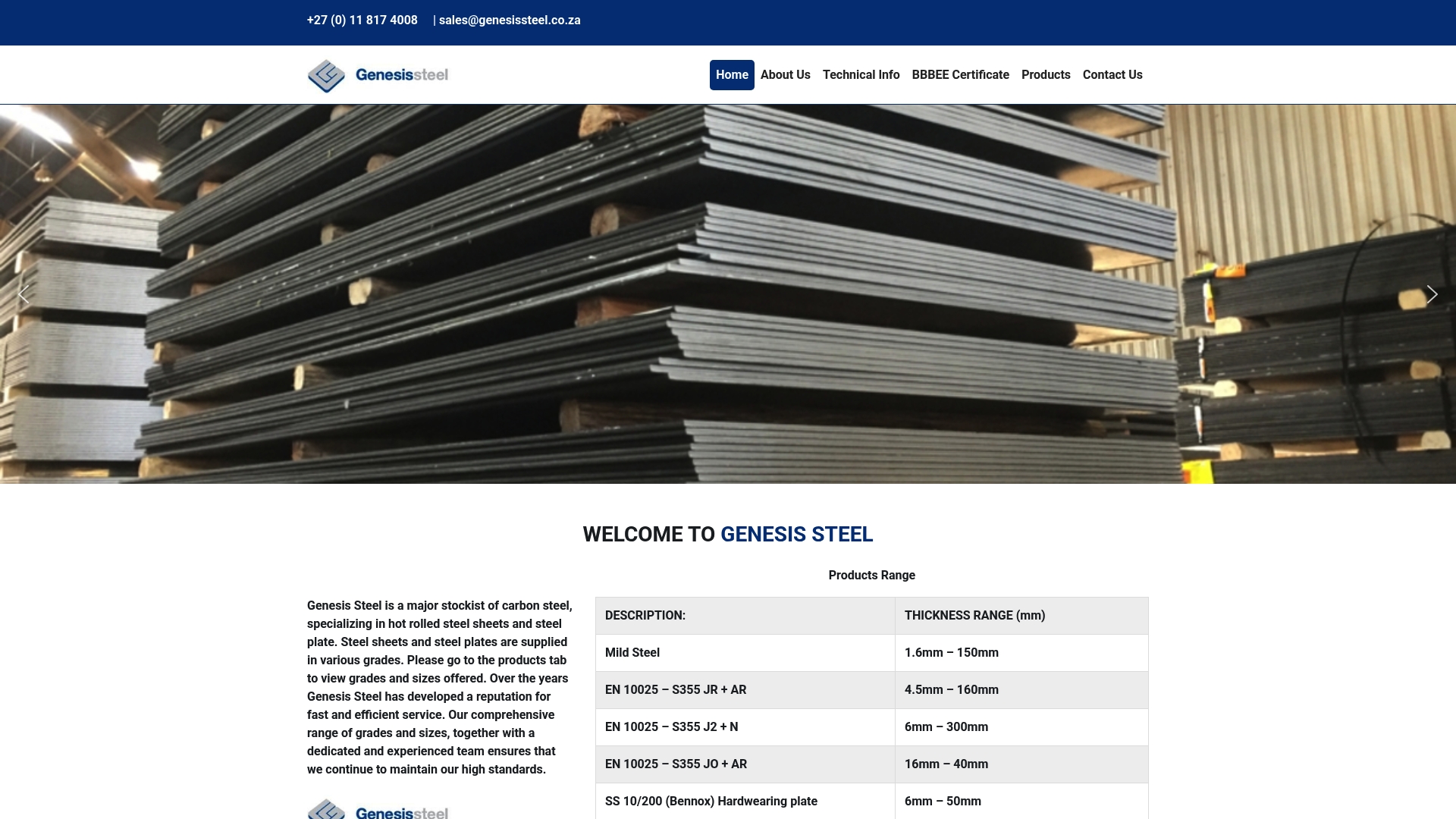
Take the next step toward a successful project today. Visit Genesis Steel’s main site to see our full range of steel plates and get personalised support from our dedicated Gauteng team. Talk to us now so you can secure the right steel plate sizes when it counts most.
Frequently Asked Questions
What are common steel plate sizes available for industrial projects?
Common steel plate sizes typically range from 6mm to 100mm in thickness, with dimensions such as 6mm x 1500mm x 6000mm, 10mm x 2000mm x 8000mm, 20mm x 2500mm x 12000mm, and 50mm x 3000mm x 15000mm being popular choices.
How do I choose the right steel plate size for my project?
Choosing the right steel plate size involves evaluating anticipated mechanical stress, specific environmental conditions, fabrication complexity, and budget constraints. Consideration of these factors ensures structural integrity and optimal performance.
Why are custom steel plate sizes sometimes necessary?
Custom steel plate sizes are necessary for projects with specific dimensional requirements that exceed standard sizes. They provide flexibility for specialized machinery, unique architectural designs, or high-precision engineering applications, ensuring that project specifications are met accurately.
What measurement standards should I follow when specifying steel plate sizes?
When specifying steel plate sizes, adhere to precise measurement standards that include thickness tolerances, width and length specifications, and surface flatness requirements. Following these standards ensures the reliability and compatibility of the material for your project.