
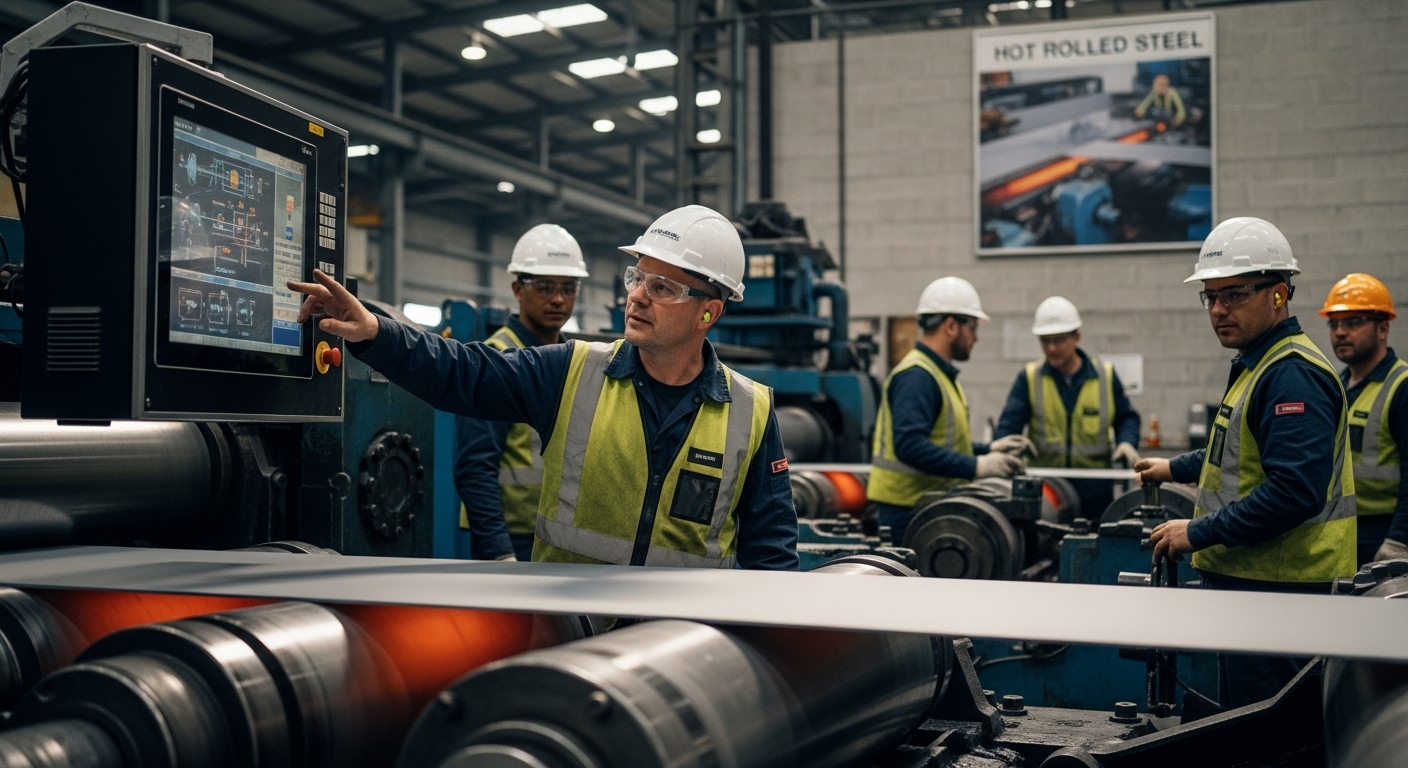
Hot rolled steel sheets left their mark on nearly every piece of machinery and infrastructure across South Africa. They get heated to around 900 degrees Celsius, transforming ordinary metal into something tough and versatile. Most people think the real magic lies in the sheer brute strength of these sheets. That is only part of the story. The real surprise is how their exact mix of carbon, manganese, and other elements controls everything from bendability to rust resistance. This is where the science gets even more interesting.
Table of Contents
- What Are Hot Rolled Steel Sheets And Their Composition?
- Why Hot Rolled Steel Sheets Matter In Manufacturing
- How The Hot Rolling Process Works: Key Concepts
- Applications Of Hot Rolled Steel Sheets In Industry
- Factors Influencing The Quality Of Hot Rolled Steel Sheets
Quick Summary
| Takeaway | Explanation |
|---|---|
| Hot rolled steel sheets are essential | They are fundamental materials in manufacturing and construction across various industries. |
| Composition affects performance | The blend of carbon, manganese, and other elements determines mechanical strength and durability. |
| Production involves extreme heating | Steel is heated above 900 degrees Celsius, making it malleable for shaping into sheets. |
| Wide industrial applications exist | These sheets are critical in construction, automotive, mining, and energy sectors. |
| Quality influenced by temperature control | Managing heating and cooling processes is vital for consistent material properties. |
What Are Hot Rolled Steel Sheets and Their Composition?
Hot rolled steel sheets represent a fundamental material in modern manufacturing and construction, characterized by their unique production process and remarkable material properties. These steel sheets undergo transformation through high temperature processing, creating a versatile product essential for numerous industrial applications.
Understanding the Basic Composition
Hot rolled steel sheets typically consist of carbon steel with varying percentages of carbon and other alloying elements. The standard composition generally includes:
- Carbon (0.1% to 0.3%)
- Manganese (0.6% to 1.65%)
- Small quantities of silicon, copper, and trace elements
The precise composition determines the mechanical properties, strength, and performance characteristics of the final steel sheet. Research on hot rolling processes highlights how different elemental compositions significantly impact material behavior during thermomechanical processing.
Production Process and Transformation
Manufacturing hot rolled steel sheets involves heating the steel above its recrystallization temperature, typically around 900 degrees Celsius. At these extreme temperatures, the steel becomes malleable, allowing manufacturers to shape and form the material without compromising its structural integrity.
The hot rolling process begins with large steel billets or ingots, which are progressively heated and passed through high powered rolling mills. These mills apply immense pressure, stretching and flattening the steel into thin, uniform sheets. As the material cools, it retains its new shape and develops unique mechanical properties.
The following table provides a concise overview of the main production stages in the hot rolling process and their significance.
| Stage | Description | Key Outcomes |
|---|---|---|
| Thermal Preparation | Steel billets heated to 900-1200°C for malleability | Structure becomes workable |
| Consistent Temperature Maintenance | Precise temperature kept throughout heating phase | Uniform metallurgical changes |
| Mechanical Rolling | High-pressure rolling mills thin and shape the steel | Thickness reduced, sheets formed |
| Grain Structure Refinement | Rolling process modifies internal steel grain structure | Improved strength and durability |
| Controlled Cooling and Stress Relief | Managed cooling after rolling | Mechanical properties set |
For more comprehensive insights into the advantages of this material, read our guide on hot rolled steel benefits for Gauteng industries.
Why Hot Rolled Steel Sheets Matter in Manufacturing
Hot rolled steel sheets are critical components driving innovation and efficiency across multiple industrial sectors. Their unique characteristics and versatile performance make them indispensable in modern manufacturing processes, enabling sophisticated engineering solutions that demand superior material properties.
Critical Industrial Applications
Manufacturing industries rely on hot rolled steel sheets for numerous essential applications. These materials are fundamental in constructing robust infrastructure, machinery, and equipment. Key sectors leveraging these steel sheets include:
- Construction and infrastructure development
- Mining and heavy equipment manufacturing
- Automotive and transportation industries
- Agricultural machinery production
- Energy and power generation systems
The International Trade Administration Commission highlights the strategic importance of hot rolled steel products in producing containers, mining equipment, pipes, earth-moving equipment, gas cylinders, truck trailers, and water tanks.
Economic and Manufacturing Advantages
Hot rolled steel sheets offer substantial economic benefits for manufacturers. Their production process enables cost effective material transformation, allowing industries to create complex components with reduced manufacturing expenses. The material provides exceptional strength to weight ratios, meaning engineers can design lighter yet more durable products.
Moreover, these steel sheets demonstrate remarkable structural integrity and resistance to deformation, making them ideal for high stress applications. Manufacturers appreciate their ability to be precisely engineered and formed into intricate shapes without compromising material performance.
Explore our comprehensive guide on hot rolled steel definitions for Gauteng industries to understand how these materials continue transforming manufacturing capabilities.
How the Hot Rolling Process Works: Key Concepts
The hot rolling process represents a sophisticated metallurgical technique that transforms raw steel into versatile sheets with exceptional material properties.
This intricate manufacturing method involves precise temperature control, mechanical manipulation, and advanced engineering principles to create high performance steel products.
Thermal Transformation and Material Preparation
Hot rolling begins with carefully selected steel billets or ingots, which undergo critical thermal preparation. The steel is heated to temperatures between 900 and 1200 degrees Celsius, well above its recrystallization point. At these extreme temperatures, the metal becomes remarkably malleable, allowing manufacturers to reshape its internal crystalline structure without compromising fundamental material integrity.
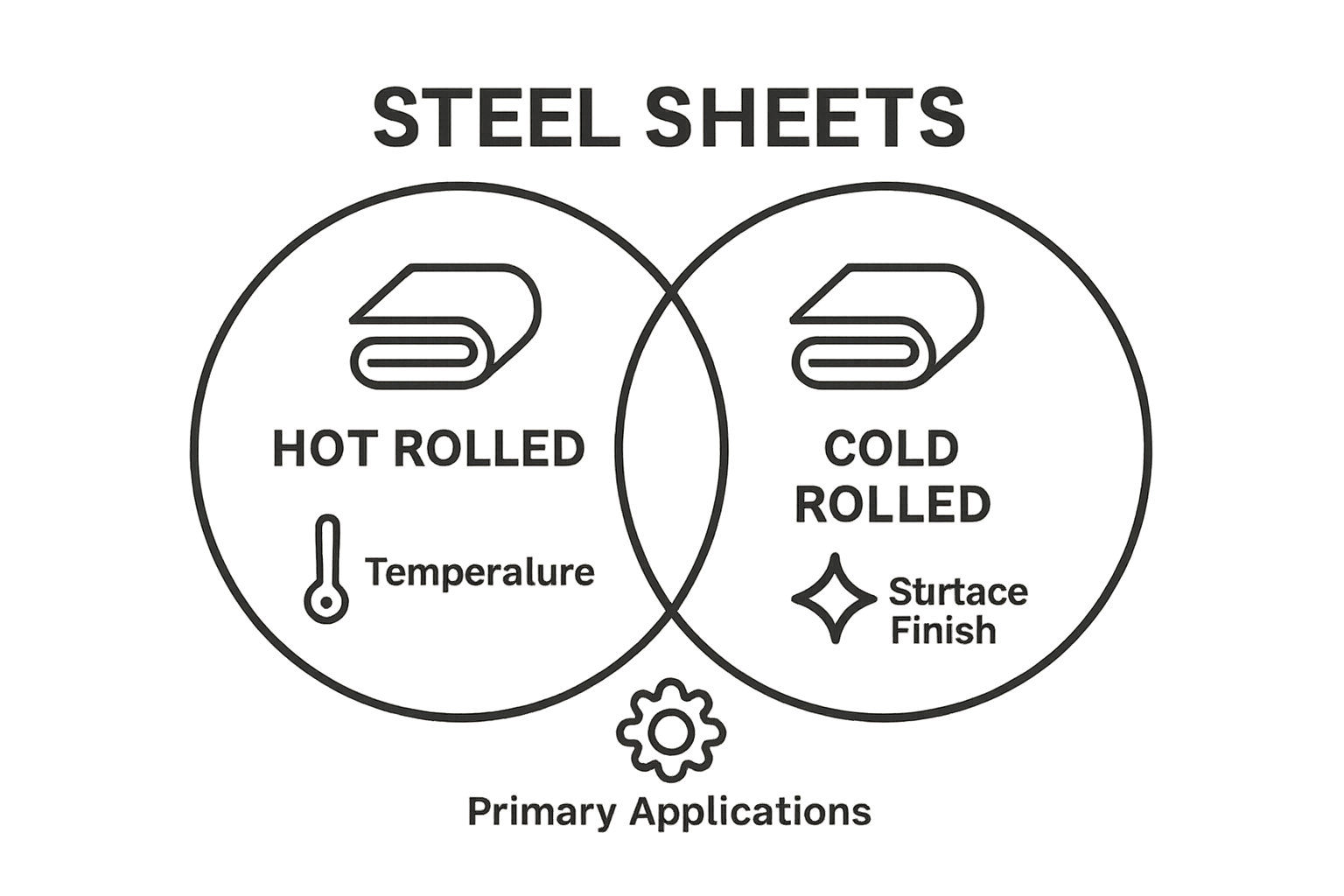
Key stages of thermal preparation include:
- Initial heating to precise temperature ranges
- Maintaining consistent thermal environment
- Monitoring metallurgical transformations
- Controlling cooling and stress relief processes
Research on microalloyed steels demonstrates how strategic temperature management influences final material microstructures and mechanical characteristics.
Mechanical Processing and Structural Refinement
Once heated, steel billets pass through powerful rolling mills equipped with sophisticated hydraulic systems. These mills apply controlled pressure, progressively reducing the material thickness while simultaneously altering its grain structure. Multiple rolling passes create increasingly uniform sheets, each pass refining the steel’s internal microstructure.
The mechanical deformation process induces significant metallurgical changes, including:
- Grain size reduction
- Enhanced material strength
- Improved directional mechanical properties
- Elimination of internal material discontinuities
Learn more about advanced heat treatment techniques that complement the hot rolling process and further enhance material performance.
Applications of Hot Rolled Steel Sheets in Industry
Hot rolled steel sheets serve as foundational materials across diverse industrial sectors, providing exceptional versatility and performance capabilities. Their unique material properties enable sophisticated engineering solutions that address complex manufacturing challenges across multiple domains.
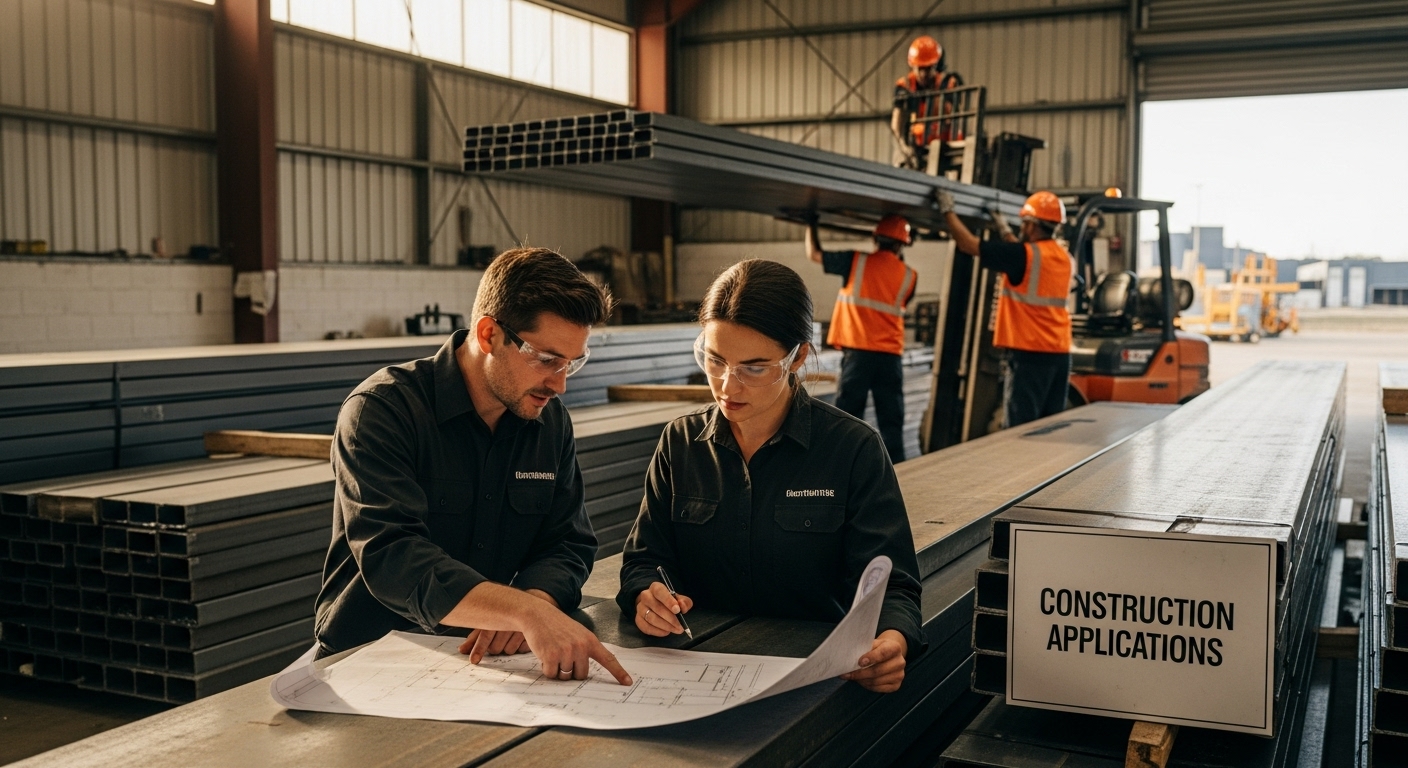
Construction and Infrastructure Development
In construction and infrastructure, hot rolled steel sheets play a critical role in creating robust structural components. These materials form the backbone of buildings, bridges, and large scale infrastructure projects. Engineers leverage their superior strength and durability to design complex architectural and engineering systems that withstand extreme environmental conditions.
Key applications in construction include:
- Structural framing and support systems
- Reinforcement for concrete structures
- Architectural cladding and facade elements
- Heavy machinery and equipment manufacturing
- Seismic resistant building components
Recent industry developments from Coega Steels underscore the ongoing technological advancements in steel production for industrial applications.
Manufacturing and Engineering Solutions
Manufacturing sectors extensively utilize hot rolled steel sheets for producing precision engineering components. These materials enable the creation of complex machinery parts, transportation equipment, and industrial machinery. Their exceptional formability and strength make them ideal for producing components that require high structural integrity and dimensional accuracy.
Critical manufacturing applications encompass:
- Automotive body panels and chassis components
- Industrial machinery frames
- Agricultural equipment manufacturing
- Mining and extraction equipment
- Transportation and logistics vehicle components
The remarkable versatility of hot rolled steel sheets continues to drive innovation across South African industrial landscapes, providing engineers and manufacturers with reliable, high performance material solutions.
Factors Influencing the Quality of Hot Rolled Steel Sheets
The quality of hot rolled steel sheets emerges from a complex interplay of metallurgical processes, material composition, and precise manufacturing techniques. Understanding these critical factors enables manufacturers to produce steel sheets with consistent performance characteristics essential for advanced industrial applications.
This table outlines critical factors affecting the quality of hot rolled steel sheets, organising key parameters and their influence.
| Quality Factor | Description | Impact on Steel Sheet |
|---|---|---|
| Recrystallisation Temperature | Temperature at which steel becomes malleable (900°C+) | Enables shaping, affects grain |
| Rolling Temperature | Steel temperature during rolling passes | Influences mechanical properties |
| Cooling Rate | Speed at which steel is cooled after rolling | Affects strength, hardness |
| Carbon Content | Percentage of carbon in steel | Determines hardness, ductility |
| Manganese/Silicon Proportion | Levels of main alloying elements | Impacts toughness, performance |
| Microstructural Homogeneity | Uniformity of steel’s internal structure | Ensures consistent performance |
| Grain Size and Distribution | Size and arrangement of internal grains | Alters fatigue resistance, quality |
Thermal Processing and Temperature Control
Temperature management represents a fundamental determinant of steel sheet quality. The precise control of heating and cooling cycles directly impacts the material’s microstructure, mechanical properties, and overall performance. Critical temperature parameters include initial heating temperatures, rolling temperatures, and controlled cooling rates.
Key temperature influence factors encompass:
- Recrystallization temperature range
- Finishing rolling temperature
- Cooling bed temperature management
- Rate of thermal transformation
- Equalization temperature control
Research from the University of Pretoria demonstrates how thermomechanical processing significantly affects surface quality and material characteristics.
Material Composition and Microstructural Considerations
The elemental composition of steel sheets fundamentally determines their mechanical properties and performance capabilities. Precise control of alloying elements like carbon, manganese, and trace metals enables manufacturers to engineer steel sheets with specific characteristics tailored to particular industrial requirements.
Critical compositional factors include:
- Carbon percentage content
- Manganese and silicon proportions
- Trace element concentrations
- Microstructural homogeneity
- Grain size and distribution
Discover expert techniques for verifying steel quality to ensure optimal material performance across diverse industrial applications.
Choose Steel Solutions That Align with Industrial Demands
Struggling to find consistent quality or reliable supply of hot rolled steel sheets as discussed above? If concerns about sourcing the right grade, thickness or mechanical properties for your industry are holding you back, you are not alone. The article highlighted just how much hinges on trusted supply and standards. Now is the time to put your projects first.
Explore our selection and expertise
Join the many South African companies who already trust Genesis Steel for fast turnaround, knowledgeable support and a wide variety of steel sheet grades. Secure your peace of mind today with solutions designed for Gauteng’s toughest industries. Visit our site and request your specific supply or let our team guide your next big order. The right steel partner will help you build with certainty.
Frequently Asked Questions
What are hot rolled steel sheets and how are they produced?
Hot rolled steel sheets are made by heating steel above its recrystallization temperature, typically around 900 degrees Celsius. This process allows the steel to be shaped and formed into sheets while maintaining its integrity. It involves rolling large steel billets through high powered mills.
What is the typical composition of hot rolled steel sheets?
Hot rolled steel sheets generally consist of carbon steel with a carbon content ranging from 0.1% to 0.3%. They also contain manganese (0.6% to 1.65%) and small amounts of other elements like silicon and copper, which affect their mechanical properties and performance characteristics.
What are the main applications of hot rolled steel sheets?
Hot rolled steel sheets are used extensively in various industries, including construction, mining, automotive, agriculture, and energy. They are integral to producing structural components, heavy machinery, automotive parts, and more, thanks to their strength and durability.
What advantages do hot rolled steel sheets offer to manufacturers?
The production process of hot rolled steel sheets allows for cost-effective material transformation and offers excellent strength-to-weight ratios. These sheets are ideal for high-stress applications and can be engineered into complex shapes without compromising performance, making them valuable in diverse manufacturing sectors.