

Hot rolled steel shapes most of the industrial world around Gauteng, showing up in everything from heavy machinery to massive infrastructure projects. People often focus on its strength and toughness, but there’s something almost unbelievable about its impact on business costs. One ton of steel can do the work of eight tons of concrete, flipping the script on what most folks expect from industrial materials. That means the smartest Gauteng companies are turning to hot rolled steel not just for its brawn, but for the unexpected savings that keep them ahead.
Table of Contents
- Why Hot Rolled Steel Is Widely Used
- Key Benefits For Industrial Applications
- Cost-Effectiveness In Large-Scale Projects
- Choosing Hot Rolled Steel For Your Gauteng Business
Quick Summary
| Takeaway | Explanation |
|---|---|
| Hot rolled steel is cost-effective | Its strength-to-weight ratio reduces overall costs for substructures, transportation, and handling in large-scale projects. |
| Enhanced structural integrity | Hot rolled steel’s mechanical properties make it ideal for demanding applications in machinery and infrastructure. |
| Versatile for diverse applications | The material can be easily welded and formed, providing flexibility across different industrial sectors. |
| Efficient production methods reduce costs | Energy-saving production techniques contribute to lower overall project expenses in steel manufacturing. |
| Strategic for long-term investments | Hot rolled steel’s durability leads to lower maintenance and replacement costs, optimizing financial performance over time. |
Why Hot Rolled Steel is Widely Used
Hot rolled steel has become a cornerstone material in modern industrial applications, offering unparalleled versatility and performance across multiple sectors. The widespread adoption of this material stems from its unique manufacturing process and exceptional mechanical properties that meet the demanding requirements of contemporary industries.
The Manufacturing Advantage
The hot rolling process fundamentally transforms steel’s structural characteristics, making it an ideal choice for numerous applications. Explore our detailed guide on hot rolled steel processing to understand its intricate production methods. According to the American Institute of Steel Construction, structural steel provides remarkable flexibility in space planning, enabling long spans and open, column-free configurations that are critical in modern construction and manufacturing environments.
The process involves heating steel above its recrystallization temperature, typically around 900 degrees Celsius, which allows for significant structural modifications. This elevated temperature enables the material to be reshaped more easily, resulting in improved mechanical properties and enhanced workability. The high-temperature treatment eliminates internal stress and creates a more uniform grain structure, which directly contributes to the steel’s superior strength and durability.
Economic and Performance Benefits
Industrial sectors consistently choose hot rolled steel due to its compelling economic advantages. The American Galvanizers Association highlights that steel’s exceptional strength-to-weight ratio minimizes substructure costs and significantly reduces transportation and handling expenses. This cost-effectiveness makes hot rolled steel an attractive option for large-scale industrial projects.
The material’s versatility extends across multiple domains, including construction, automotive manufacturing, infrastructure development, and heavy machinery production. Its ability to be easily formed, welded, and machined without compromising structural integrity makes it a preferred choice for engineers and designers seeking reliable and adaptable materials.
Moreover, the hot rolling process creates steel with improved ductility and toughness compared to cold-rolled alternatives. This characteristic ensures that components can withstand substantial mechanical stress and environmental challenges, making hot rolled steel particularly valuable in demanding industrial settings where material performance is paramount.
From precision engineering requirements to large-scale infrastructure projects, hot rolled steel continues to demonstrate why it remains a fundamental material in modern industrial applications. Its combination of mechanical strength, economic efficiency, and manufacturing flexibility positions it as an indispensable resource for industries seeking high-performance materials.
To help summarise the key industrial benefits of hot rolled steel discussed in the article, see the following table organising these advantages by performance and cost factors:
| Benefit | Description |
|---|---|
| High Strength-to-Weight Ratio | Performs same function as eight tons of concrete, reducing project material requirements |
| Enhanced Mechanical Properties | Superior tensile strength, ductility, and toughness |
| Versatile Fabrication | Easily welded, formed, machined, and cut for various industrial needs |
| Production Process Efficiency | Manufacturing method saves energy and reduces costs |
| Lower Maintenance and Replacement Costs | Durable and resistant to environmental and mechanical stress |
| Shorter Construction Timelines | Enables off-site fabrication, reducing on-site work and project duration |
| Reduced Transportation and Handling Costs | Lighter structures lead to savings across logistics and handling |
Key Benefits for Industrial Applications
Hot rolled steel delivers exceptional advantages that make it a critical material across diverse industrial applications in Gauteng and beyond. Its unique characteristics provide manufacturers and engineers with a versatile solution that addresses complex engineering challenges while maintaining superior performance standards.
Structural Integrity and Performance
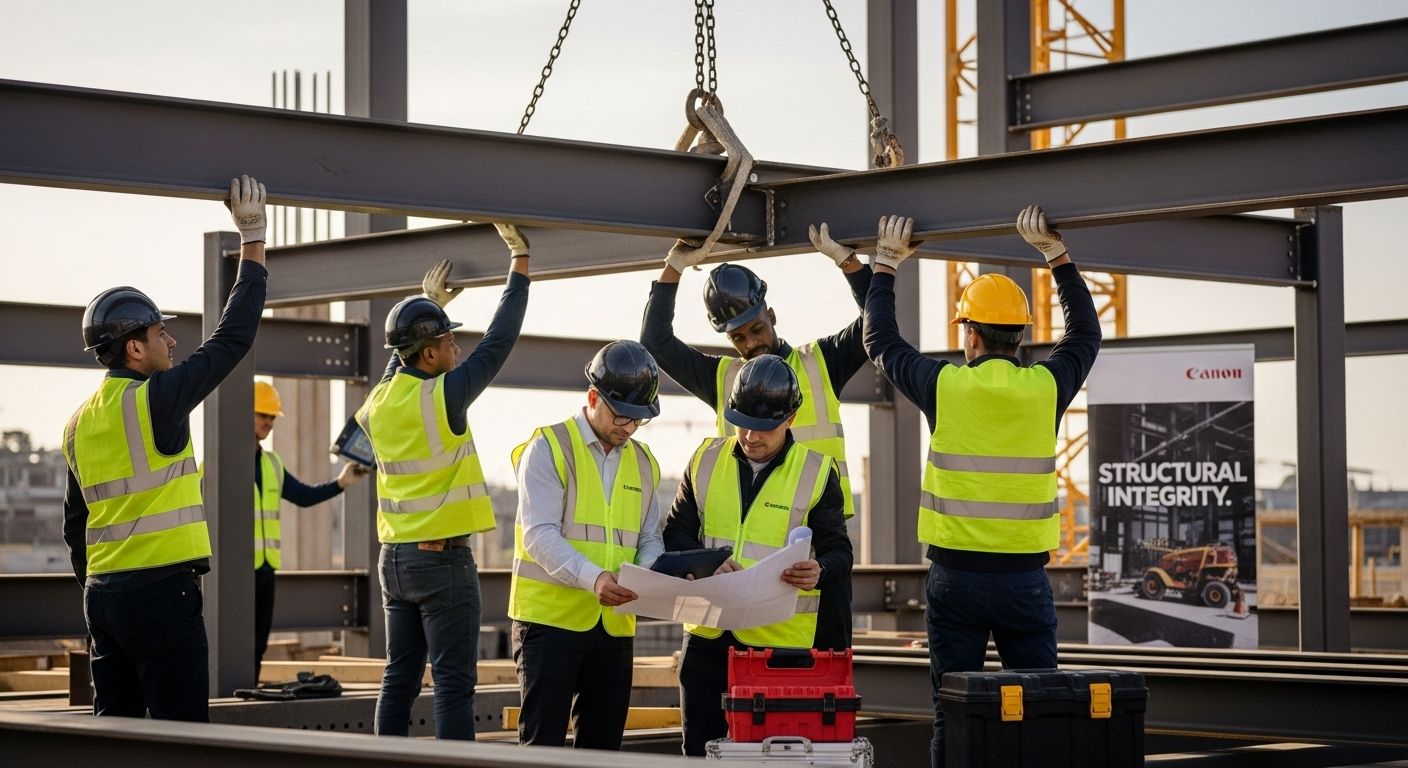
The inherent qualities of hot rolled steel make it an outstanding choice for industrial applications requiring robust structural performance. Learn more about our industrial steel solutions to understand its comprehensive capabilities. According to the U.S. Department of Energy, hot rolled steel offers significant economic advantages due to its lower production costs, making it particularly attractive for large-scale industrial projects.
Engineering sectors demand materials that can withstand extreme operational conditions, and hot rolled steel consistently meets these requirements. Its manufacturing process ensures enhanced mechanical properties, including improved tensile strength, better ductility, and superior resistance to deformation. These characteristics make it ideal for constructing heavy machinery, industrial equipment, and infrastructure components that must endure substantial mechanical stress.
Versatility and Adaptability
Industrial applications require materials that can be easily fabricated and adapted to specific design requirements. Hot rolled steel excels in this domain, offering remarkable versatility across multiple manufacturing processes. Welding, machining, forming, and cutting become more straightforward with this material, allowing engineers to create complex geometries and precise components without compromising structural integrity.
The material’s adaptability extends to various industrial sectors, including automotive manufacturing, construction, mining equipment production, and heavy machinery development. Its ability to be modified and shaped according to specific project needs makes it an invaluable resource for designers and engineers seeking flexible solutions.
Moreover, hot rolled steel demonstrates exceptional performance in environments that demand high durability and resistance to mechanical stress. Its uniform grain structure and reduced internal stress contribute to improved long-term reliability, ensuring that industrial components maintain their structural properties even under challenging operational conditions.
From precision engineering to large-scale infrastructure projects, hot rolled steel continues to prove its worth as a fundamental material in modern industrial applications. Its combination of mechanical strength, economic efficiency, and manufacturing flexibility positions it as an indispensable resource for industries seeking high-performance materials that can meet the most demanding operational requirements.
Cost-Effectiveness in Large-Scale Projects
Cost-effectiveness represents a critical consideration for industrial projects, and hot rolled steel emerges as a strategic material that delivers exceptional economic advantages across large-scale implementations. The material’s inherent characteristics provide significant financial benefits that extend far beyond initial material procurement.
Production and Material Efficiency
Discover our comprehensive steel solutions that maximize economic performance. According to McKinsey & Company, disciplined benchmarking in steel production can help identify improvements of up to 10% in overall cost structures, demonstrating the potential for substantial economic optimization.
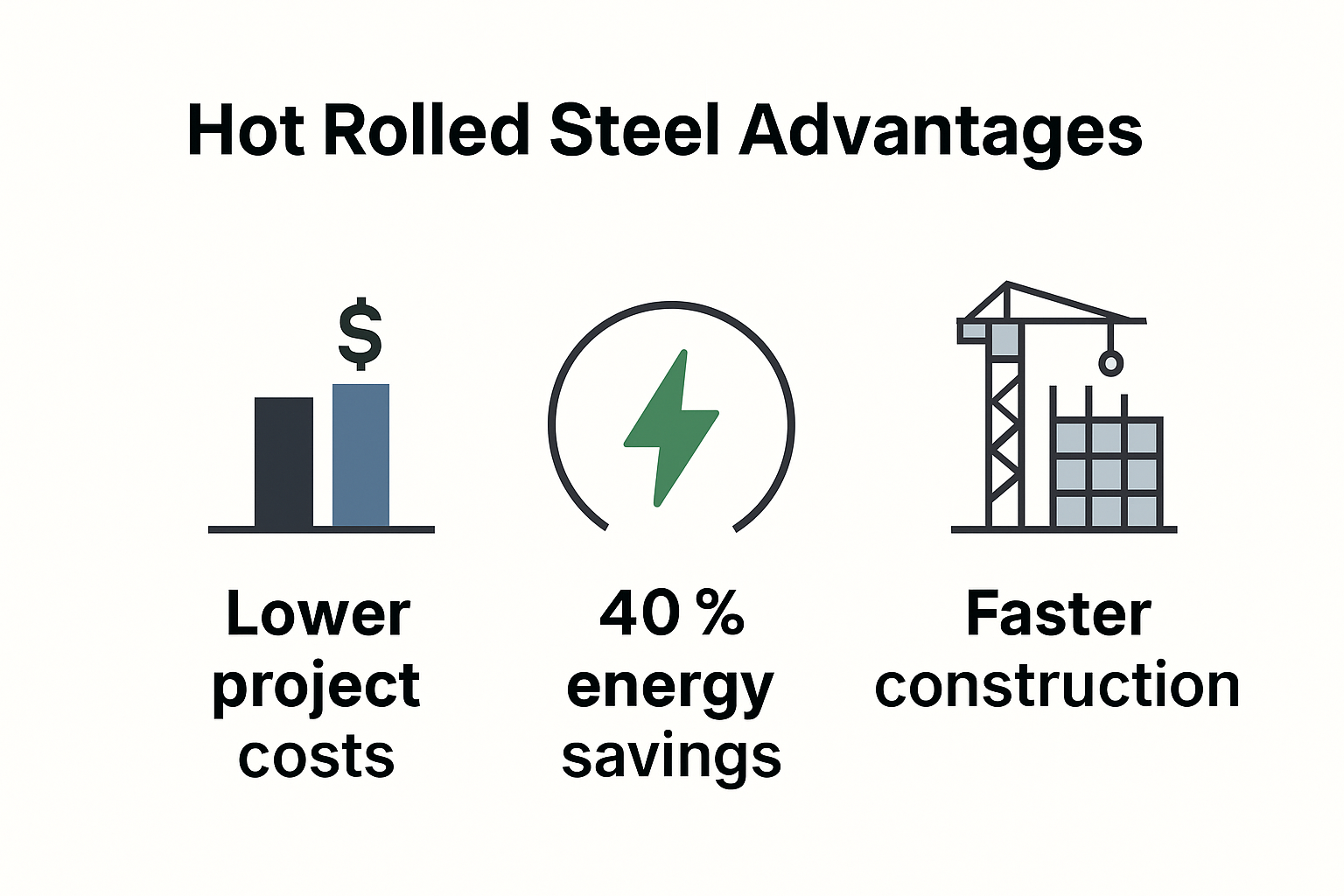
Research from the journal ‘Process Integration and Optimization for Sustainability’ reveals that energy consumption contributes between 20% and 40% of steel production costs. This insight underscores the importance of efficient manufacturing processes in maintaining cost-effectiveness. Hot rolled steel’s production method inherently supports reduced energy expenditure, translating directly into lower overall project expenses for industrial applications.
Construction and Implementation Advantages
The economic benefits of hot rolled steel extend significantly into construction and implementation phases. Build Using Steel highlights that steel’s versatility allows for off-site fabrication, which dramatically reduces on-site labor requirements, construction cycle times, and associated waste management expenses.
Industrial projects utilizing hot rolled steel benefit from shortened construction timelines, leading to earlier project completion and reduced financing costs. The material’s strength-to-weight ratio means less structural material is required to achieve equivalent performance compared to alternative materials, further contributing to overall project cost reduction.
Additionally, the long-term durability of hot rolled steel minimizes maintenance and replacement expenses. Its resistance to environmental degradation and mechanical stress ensures that infrastructure and equipment constructed using this material maintain performance standards over extended periods, providing significant lifecycle cost advantages.
From mining infrastructure to heavy machinery construction, hot rolled steel represents a strategic investment that balances immediate economic considerations with long-term financial performance. Its combination of manufacturing efficiency, construction flexibility, and robust performance makes it an economically compelling choice for large-scale industrial projects seeking to optimize both immediate and future financial outcomes.
Choosing Hot Rolled Steel for Your Gauteng Business
Selecting the right material is crucial for business success, and hot rolled steel offers a compelling solution for Gauteng industries seeking high-performance, cost-effective materials. Understanding how to integrate this versatile material into your business strategy can unlock significant competitive advantages across various industrial applications.
Strategic Material Selection
Explore our comprehensive steel selection guide to make informed decisions for your business. According to Wermac.org, hot rolled steel is generally more cost-effective than cold rolled steel due to its simpler manufacturing process, making it an attractive option for businesses looking to optimize material costs without compromising quality.
To clarify the core differences between hot rolled steel and cold rolled steel as mentioned in the article, here’s a comparison table based on manufacturing process and cost-effectiveness:
| Property | Hot Rolled Steel | Cold Rolled Steel |
|---|---|---|
| Manufacturing Temperature | Above 900°C | Room temperature |
| Process Complexity | Simpler, fewer steps | More complex, additional steps |
| Cost-Effectiveness | Generally more cost-effective | Higher cost due to processing |
| Structural Flexibility | High | Moderate |
| Typical Application | Large-scale structural, heavy machinery | Applications needing tighter tolerances |
The American Institute of Steel Construction emphasizes that structural steel provides exceptional design flexibility, allowing businesses to create innovative spaces with long spans and open configurations. This adaptability is particularly valuable for Gauteng companies seeking to maximize their operational efficiency and create dynamic work environments.
Performance and Economic Considerations
Business leaders in Gauteng must consider both immediate and long-term economic impacts when selecting materials. The American Galvanizers Association highlights a remarkable statistic: one ton of steel can perform the same function as eight tons of concrete, demonstrating the material’s incredible efficiency and potential for cost savings.
Hot rolled steel offers multiple advantages that directly impact business performance. Its superior strength-to-weight ratio means reduced transportation costs, lower structural requirements, and minimal material waste. For Gauteng businesses in sectors like manufacturing, construction, and infrastructure development, these benefits translate into tangible economic advantages.
Moreover, the material’s versatility allows for customization across different industrial applications. Whether you’re developing machinery, constructing facilities, or creating specialized equipment, hot rolled steel provides the flexibility to meet diverse business requirements while maintaining high performance standards.
Choosing hot rolled steel is more than a material decision; it’s a strategic investment in your business’s future. Its combination of economic efficiency, structural integrity, and manufacturing adaptability makes it an ideal choice for Gauteng businesses looking to optimize their operational capabilities and maintain a competitive edge in increasingly demanding industrial landscapes.
Frequently Asked Questions
What are the main advantages of hot rolled steel?
Hot rolled steel offers numerous advantages, including a high strength-to-weight ratio, enhanced structural integrity, versatility in manufacturing, and cost-effectiveness for large-scale projects.
How does hot rolled steel compare to cold rolled steel?
Hot rolled steel is generally more cost-effective than cold rolled steel due to its simpler manufacturing process. It also offers greater flexibility for large structural applications, while cold rolled steel is better suited for applications requiring tighter tolerances.
Why is hot rolled steel widely used in Gauteng industries?
Hot rolled steel is widely used in Gauteng industries because its unique properties, such as improved ductility and toughness, make it ideal for demanding applications in construction, automotive manufacturing, and heavy machinery production.
What makes hot rolled steel cost-effective for large-scale projects?
Hot rolled steel is cost-effective due to its exceptional strength-to-weight ratio, which reduces material and transportation costs. Additionally, its efficiency in production and reduced maintenance requirements contribute to overall project savings.
Power Your Next Gauteng Project with Genesis Steel
Struggling to balance project cost and structural strength for your industrial builds? The article highlighted how hot rolled steel can outperform concrete and helps reduce expenses, but finding the right local supplier is key to unlocking these benefits in Gauteng. At Genesis Steel, we specialise in hot-rolled steel sheets and steel plates, stocked in a wide variety of grades and sizes to solve the very challenges discussed in the article. Explore our Uncategorised Archives to see how our products can match your project’s needs and help you work smarter, not harder.
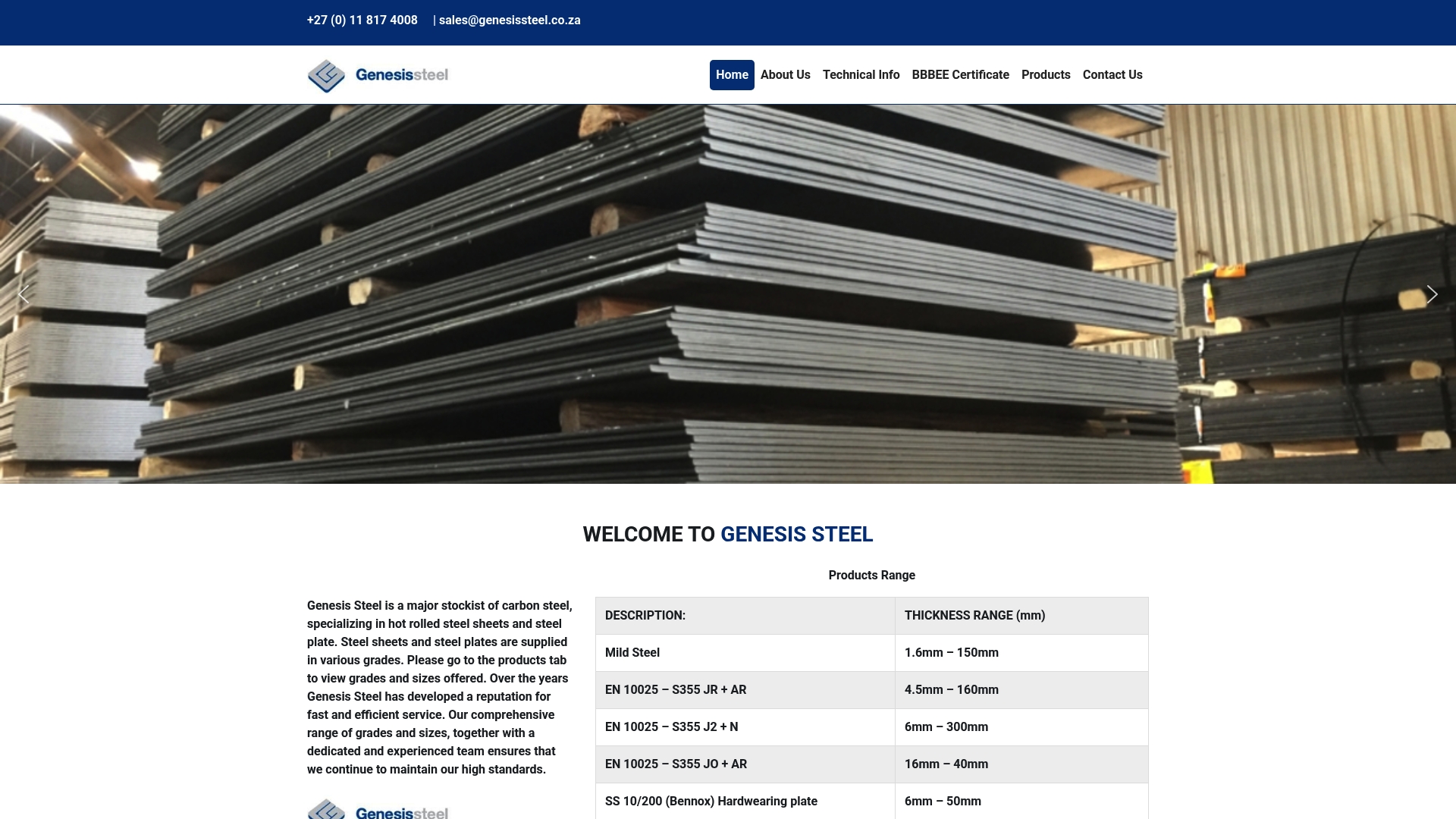
Ready to take your business further with proven material strength and service speed you can trust? Visit Genesis Steel today for expert advice and immediate access to quality hot-rolled steel. Secure the long-term savings and project reliability that top Gauteng industries already enjoy. Make your next build a success by connecting with our dedicated team now.