
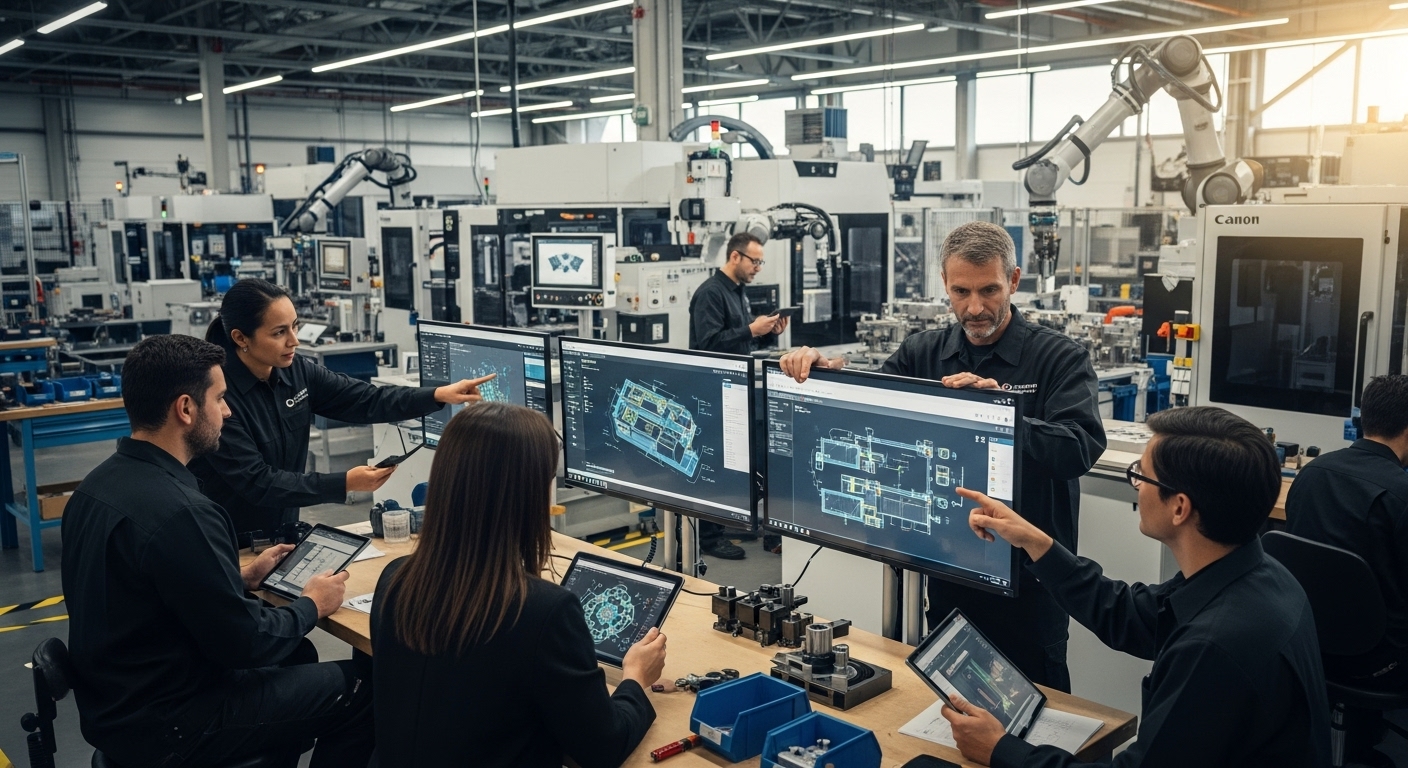
Manufacturers in South Africa are hearing the buzz about digital transformation, and it sounds unstoppable. More than 60 percent of global manufacturers have already started integrating digital technologies into their operations. Yet most think digital transformation is just about buying new machines or software. The real shift happens when businesses rethink everything from leadership to how teams work together, and that is where the real benefits start to show.
Table of Contents
- Understand The Importance Of Digital Transformation
- Assess Your Current Manufacturing Processes
- Identify Key Technologies For Implementation
- Develop A Digital Transformation Strategy
- Invest In Workforce Training And Development
- Enhance Data Analytics Capabilities
- Foster A Culture Of Innovation
- Measure And Adjust Your Transformation Efforts
Quick Summary
| Takeaway | Explanation |
|---|---|
| Digital transformation is essential for survival | Manufacturers must adopt digital technologies to remain competitive in a technology-driven market. |
| Assess current processes thoroughly | A detailed evaluation of current operations is crucial to identify areas needing improvement before digital implementation. |
| Invest in workforce training | Upskilling employees in digital technologies is vital for successful transformation and sustained growth. |
| Emphasise data analytics capabilities | Advanced data analytics provides insights that can enhance operational efficiency and decision-making. |
| Foster a culture of innovation | Creating an environment that encourages experimentation and continuous learning is key to effective digital transformation. |
1: Understand the Importance of Digital Transformation
Digital transformation in manufacturing represents a fundamental reimagining of how industrial organisations leverage technology to drive operational efficiency, competitive advantage, and strategic growth. Manufacturing businesses that embrace digital technologies are positioning themselves to thrive in an increasingly complex and technology driven global marketplace.
At its core, digital transformation goes beyond simply implementing new technologies. It requires a comprehensive strategic approach that fundamentally restructures business processes, organisational culture, and technological infrastructure. South African manufacturers must recognise this transformation is not optional but essential for survival and competitiveness.
According to President Cyril Ramaphosa, the Fourth Industrial Revolution demands that industries pioneer new technologies and improve production methodologies. This means manufacturers must be prepared to:
- Integrate advanced digital technologies into existing workflows
- Develop workforce skills aligned with technological advancements
- Create adaptive and flexible technological ecosystems
- Continuously learn and innovate
The primary objectives of digital transformation in manufacturing include enhanced productivity, reduced operational costs, improved quality control, and more responsive customer engagement. By adopting intelligent technologies such as artificial intelligence, Internet of Things (IoT) sensors, and advanced data analytics, manufacturers can achieve unprecedented levels of operational insight and efficiency.
Moreover, digital transformation enables manufacturers to respond more rapidly to market changes, customise production processes, and create more personalised products. Those who successfully navigate this technological transition will not merely survive but establish themselves as industry leaders in an increasingly competitive global manufacturing landscape.
2: Assess Your Current Manufacturing Processes
Assessing current manufacturing processes represents a critical foundational step in digital transformation. Manufacturers must conduct a comprehensive and honest evaluation of existing operational workflows, technological infrastructure, and organisational capabilities before implementing any digital strategy.
According to President Cyril Ramaphosa, technological evolution demands a systematic approach to understanding current manufacturing capabilities. This assessment involves multiple critical dimensions that manufacturers must carefully examine.
Key areas for thorough assessment include:
- Current technological infrastructure and equipment capabilities
- Existing data management and communication systems
- Production workflow efficiency and potential bottlenecks
- Skills and knowledge levels of current workforce
- Technological integration and interoperability challenges
Manufacturers should develop a detailed diagnostic framework that quantitatively and qualitatively measures operational performance. This involves collecting precise data on current production metrics, identifying performance gaps, and understanding technological limitations within existing systems.
To support this process, companies can learn more about quality standards which provide critical insights into evaluating manufacturing capabilities. The diagnostic process should result in a clear, actionable roadmap that highlights specific areas requiring digital intervention.
Successful assessment requires cross functional collaboration, involving leadership from operations, technology, human resources, and strategic planning. By creating a holistic view of current manufacturing processes, organisations can develop targeted digital transformation strategies that address genuine operational needs and create sustainable competitive advantages.
3: Identify Key Technologies for Implementation
Identifying the right technological solutions is crucial for successful digital transformation in manufacturing. Manufacturers must strategically select technologies that align with their specific operational requirements, industry challenges, and long term business objectives.
According to Minister Blade Nzimande, the Fourth Industrial Revolution demands strategic integration of cutting edge technologies across manufacturing sectors. This requires a nuanced understanding of emerging digital capabilities.
Key technologies for manufacturing digital transformation include:
- Internet of Things (IoT) sensors for real time monitoring
- Advanced data analytics platforms
- Artificial intelligence for predictive maintenance
- Cloud computing infrastructure
- Robotic process automation
- Machine learning algorithms
Successful technology implementation requires comprehensive evaluation of each potential solution. Manufacturers must assess technological compatibility, scalability, integration potential, and return on investment. The goal is not merely adopting new technologies but creating a cohesive technological ecosystem that enhances overall operational efficiency.
Emerging technologies like additive manufacturing and smart automation systems offer significant potential for transforming traditional manufacturing processes. These technologies enable more flexible production methods, reduced waste, and increased customisation capabilities.
Critical considerations during technology selection include workforce readiness, existing technological infrastructure, financial investment requirements, and potential performance improvements. Manufacturers must develop a strategic roadmap that prioritises technologies delivering measurable operational benefits and supports long term organisational growth objectives.
4: Develop a Digital Transformation Strategy
Developing a comprehensive digital transformation strategy requires meticulous planning, cross functional collaboration, and a clear vision for technological integration. Manufacturers must create a strategic roadmap that aligns technological investments with broader organisational goals and operational requirements.
According to The Department of Trade, Industry and Competition, effective digital transformation strategies must be tailored to specific organisational contexts and industry challenges.
Key elements of a robust digital transformation strategy include:
- Defining clear digital transformation objectives
- Establishing measurable performance indicators
- Creating a phased implementation timeline
- Allocating appropriate financial and human resources
- Developing change management protocols
- Planning continuous skills development
A strategic approach demands comprehensive risk assessment and mitigation planning. Manufacturers must anticipate potential technological integration challenges, workforce adaptation requirements, and potential operational disruptions during the transformation process.
The strategy should encompass both technological infrastructure upgrades and organisational cultural shifts. This means developing comprehensive training programmes, creating adaptive leadership frameworks, and fostering a culture of continuous learning and innovation.
Successful digital transformation strategies also require ongoing flexibility. Manufacturers must design strategies that can rapidly evolve in response to emerging technologies, market dynamics, and organisational needs. Regular strategy reviews, performance assessments, and technological landscape evaluations are critical to maintaining strategic relevance and competitive advantage.
5: Invest in Workforce Training and Development
Investing in workforce training and development represents a critical component of successful digital transformation in manufacturing. Modern manufacturers must recognize that technological advancement is fundamentally about human capability and not merely technological implementation.
According to the Fibre Processing & Manufacturing Sector Education and Training Authority, upskilling employees in emerging technologies is essential for sustainable industrial development.
Key focus areas for workforce training include:
- Digital literacy and technology comprehension
- Advanced technical skills in automation and robotics
- Data analytics and interpretation capabilities
- Cybersecurity awareness and protocols
- Adaptive problem solving techniques
Manufacturers must develop comprehensive training programmes that address both technical skills and soft skills required for technological adaptation. This involves creating learning pathways that enable employees to transition from traditional manufacturing roles to more technology integrated positions.
The training approach should be multifaceted, incorporating theoretical knowledge, practical workshops, hands on technology experience, and continuous professional development opportunities. Online learning platforms, simulation technologies, and industry partnerships can provide flexible and effective training mechanisms.
Successful workforce development requires a cultural shift towards continuous learning. Organisations must cultivate an environment that values skill enhancement, encourages technological curiosity, and supports employees through their digital transformation journey. By investing in human capital, manufacturers can ensure their workforce remains agile, competitive, and prepared for technological evolution.
6: Enhance Data Analytics Capabilities
Enhancing data analytics capabilities represents a transformative approach for manufacturers seeking to leverage digital technologies effectively. Advanced data analytics enables organisations to extract meaningful insights from complex operational information, driving strategic decision making and operational efficiency.
According to the University of the Witwatersrand, data analytics provides manufacturers with unprecedented visibility into their operational processes and performance metrics.
Critical components of robust data analytics capabilities include:
- Implementing advanced predictive analytics platforms
- Developing real time monitoring and reporting systems
- Creating integrated data collection infrastructure
- Establishing comprehensive data governance protocols
- Training personnel in advanced analytical techniques
Manufacturers must invest in sophisticated data infrastructure that enables comprehensive data collection, integration, and analysis across multiple organisational domains. This requires implementing intelligent analytics platforms capable of processing large volumes of complex operational data rapidly and accurately.
Successful data analytics strategies involve transforming raw operational data into actionable strategic insights. By leveraging machine learning algorithms, artificial intelligence, and advanced statistical models, manufacturers can predict maintenance requirements, optimize production processes, and identify potential operational inefficiencies before they become critical problems.
Moreover, enhanced data analytics capabilities support more responsive and adaptive manufacturing ecosystems. They enable organisations to make data driven decisions, anticipate market changes, and continuously improve operational performance through intelligent, insights driven management approaches.
7: Foster a Culture of Innovation
Fostering a culture of innovation requires deliberate strategic efforts that transform organisational mindsets, processes, and leadership approaches. Successful digital transformation extends far beyond technological implementation and fundamentally depends on creating an environment that encourages continuous learning, experimentation, and adaptive thinking.
According to the University of Pretoria, effective leadership plays a crucial role in shaping organisational culture to embrace digital change and technological evolution.
Key strategies for cultivating an innovative culture include:
- Encouraging open communication and collaborative problem solving
- Rewarding calculated risk taking and creative thinking
- Creating safe spaces for experimentation and learning from failures
- Promoting cross functional knowledge sharing
- Developing flexible leadership frameworks
Manufacturers must systematically dismantle traditional hierarchical structures that inhibit innovation. This involves creating flatter organisational models that empower employees at all levels to contribute ideas, challenge existing processes, and propose technological solutions.
Leadership must demonstrate a genuine commitment to innovation by allocating resources, providing continuous learning opportunities, and establishing clear mechanisms for capturing and implementing employee suggestions. This requires developing robust feedback systems, innovation workshops, and platforms that enable collaborative ideation.
Ultimately, a culture of innovation transforms digital transformation from a technical project into a dynamic, organisation wide journey of continuous improvement and adaptive strategic thinking.
8: Measure and Adjust Your Transformation Efforts
Measuring and adjusting digital transformation efforts is a critical process that ensures manufacturers remain responsive and adaptive throughout their technological evolution. Continuous evaluation provides insights into the effectiveness of implemented strategies and identifies areas requiring refinement or strategic recalibration.
According to Minister Mondli Gungubele, developing robust monitoring systems is essential for tracking digital transformation progress across industries.
Key performance indicators for measuring digital transformation include:
- Operational efficiency improvements
- Technology adoption rates
- Return on digital investment
- Employee skill development metrics
- Productivity enhancement measurements
Manufacturers must develop comprehensive measurement frameworks that capture both quantitative and qualitative transformation outcomes. This involves implementing advanced analytics tools that provide real time insights into technological integration progress, operational performance, and strategic alignment.
The measurement process should be iterative and dynamic. Regular performance reviews enable organisations to make data driven adjustments, ensuring digital transformation strategies remain aligned with evolving technological landscapes and organisational objectives.
Successful measurement requires a holistic approach that considers technological, human, and strategic dimensions of digital transformation. By creating a flexible evaluation framework, manufacturers can continuously refine their digital strategies, maintaining competitive advantage in an increasingly technology driven industrial environment.
Below is a comprehensive table summarising the key steps, objectives, and benefits of digital transformation in manufacturing as discussed in the article.
| Step / Focus Area | Key Actions & Insights | Benefits to Manufacturers |
|---|---|---|
| Understand Importance of Digital Transformation | Recognise digital transformation as a strategic imperative, not just a technology upgrade. | Improves competitiveness, operational efficiency, and customer responsiveness. |
| Assess Current Manufacturing Processes | Conduct detailed evaluation of existing workflows, technology, and workforce capabilities. | Identifies gaps, sets realistic goals, and creates a targeted action roadmap. |
| Identify Key Technologies | Select and integrate suitable technologies: IoT, AI, advanced analytics, cloud, automation, robotics. | Drives efficiency, flexibility, and productivity gains. |
| Develop Transformation Strategy | Align digital initiatives with organisational goals, plan resources, manage risks, and build capacity for ongoing adaptation. | Ensures sustainable digital adoption and readiness for change. |
| Invest in Workforce Training | Upskill staff in digital literacy, analytics, automation, cybersecurity, and adaptive problem-solving. | Empowers employees, reduces resistance, and boosts successful implementation. |
| Enhance Data Analytics Capabilities | Implement advanced data infrastructure for real-time monitoring and predictive insights, ensuring strong data governance and usage. | Enables informed decisions, optimises processes, and increases adaptability. |
| Foster a Culture of Innovation | Encourage open communication, creative thinking, and leadership that empowers experimentation and learning. | Sustains transformation through engagement, agility, and smart risk-taking. |
| Measure and Adjust Transformation Efforts | Use robust evaluation frameworks with key performance indicators and regular reviews to adjust strategies as needed. | Maintains momentum, ensures relevance, and maximises return on investment. |
Take the Lead in Digital Manufacturing with Reliable Steel Solutions
Are you ready to transform your manufacturing processes but worried about the hurdles of implementing new technologies or maintaining high quality standards? The article on digital transformation highlights how critical it is to have strong supply partners who understand efficiency, consistency, and the kind of operational resilience South African manufacturers need. As you focus on smarter workflows and data-driven production, Genesis Steel helps to remove the worry from your material supply chain so you can direct your resources where they matter most.
Explore our full range of steel solutions for digital-ready operations
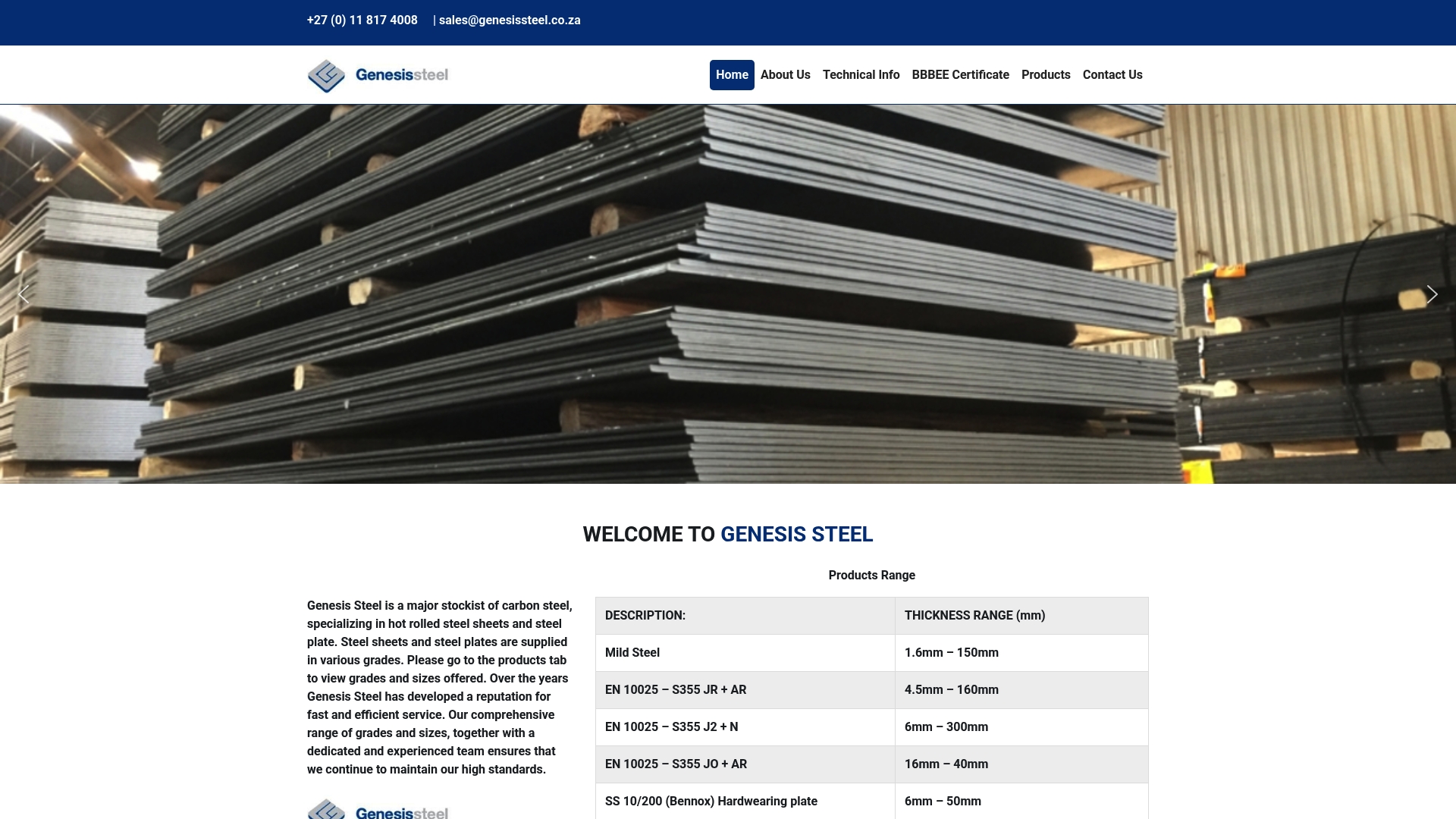
Whether you need dependable hot-rolled steel sheets, diverse grade options, or fast service that keeps up with your innovation, Genesis Steel provides a strong foundation for every step of your transformation. Do not let uncertainty in raw materials hold back your plans for smart manufacturing. Visit our homepage to learn more about how our experienced team and flexible range can help your business stay prepared for whatever the future brings.
Frequently Asked Questions
What is digital transformation in manufacturing?
Digital transformation in manufacturing refers to the strategic overhaul of processes, culture, and technology to harness the potential of digital technologies for improving operational efficiency and competitive advantage.
Why is a comprehensive assessment of current manufacturing processes important?
A comprehensive assessment helps identify existing operational workflows, technological capabilities, and skill gaps, enabling manufacturers to create targeted digital transformation strategies that address specific needs and challenges.
What technologies should manufacturers consider for digital transformation?
Manufacturers should consider technologies such as Internet of Things (IoT) sensors, advanced data analytics platforms, artificial intelligence, cloud computing, and robotic process automation to enhance operational efficiency and responsiveness.
How can manufacturers foster a culture of innovation during digital transformation?
Manufacturers can foster innovation by encouraging open communication, rewarding creative thinking, creating safe spaces for experimentation, and developing flexible leadership frameworks that empower all employees to contribute ideas.