

Energy efficiency in manufacturing gets a lot of airtime, especially with factory owners stressing about bills shooting up. Now, every second factory manager talks about saving money with clever machines and smarter processes. But listen to this. South African research has shown manufacturers can actually cut up to 11 percent of their total energy use with simple, targeted initiatives. That is a number most people do not expect. The real shock is that these gains often do not even need big investments – just sharper focus and a little know-how already unlock serious savings.
Table of Contents
- What Is Energy Efficiency In Manufacturing?
- Why Is Energy Efficiency Important For Manufacturers?
- How Does Energy Efficiency Impact Operational Costs?
- Key Concepts And Technologies Driving Energy Efficiency In Manufacturing
- Real-World Examples Of Energy Efficiency In The Manufacturing Sector
Quick Summary
| Takeaway | Explanation |
|---|---|
| Optimizing energy use boosts productivity. | Implementing energy-efficient systems helps manufacturers maximize output while minimizing energy costs, enhancing overall performance. |
| Energy management reduces operational costs. | Effective energy strategies can significantly lower expenses, improving financial predictability and freeing funds for reinvestment. |
| Compliance with regulations is crucial. | Adopting energy-efficient practices ensures manufacturers meet growing legal requirements, reducing their environmental impact and improving corporate responsibility. |
| Technological innovation drives efficiency. | Advanced monitoring, IoT, and smart systems enable real-time insights, encouraging proactive management of energy consumption. |
| Real-world successes highlight best practices. | Case studies, like ACA Threads, showcase successful energy efficiency projects, demonstrating potential savings and operational improvements for others. |
What is Energy Efficiency in Manufacturing?
Energy efficiency in manufacturing represents a strategic approach to optimising industrial processes by reducing energy consumption while maintaining or improving production output. This critical concept focuses on minimising wasted energy and maximising operational performance through intelligent technological and procedural interventions.
Understanding the Core Principles
At its fundamental level, energy efficiency in manufacturing involves identifying and eliminating unnecessary energy expenditure across production systems.
Below is a table summarising the key principles of energy efficiency in manufacturing as referenced in the section, making it easier to scan the main strategic actions and their focus areas.
| Principle | Description |
|---|---|
| Energy management systems | Setting up structured, ongoing frameworks for energy oversight |
| Regular energy audits | Reviewing performance and identifying inefficiencies consistently |
| Investment in efficient equipment | Upgrading to machinery designed for lower energy consumption |
| Staff training | Teaching personnel energy-aware operational practices |
| Continuous consumption monitoring | Ongoing tracking and improvement of energy usage metrics |
According to the South African Industrial Energy Efficiency Programme, key principles of energy efficiency include:
- Implementing comprehensive energy management systems
- Conducting regular energy performance audits
- Investing in modern, energy-efficient equipment
- Training personnel in energy-conscious operational practices
- Monitoring and continuously improving energy consumption metrics
Economic and Environmental Implications
Manufacturing energy efficiency is not merely a technical challenge but a holistic strategy with significant economic and environmental benefits. By reducing energy consumption, manufacturers can:
- Lower operational expenses
- Decrease carbon emissions
- Enhance competitive positioning
- Meet increasingly stringent environmental regulations
Research from University of Johannesburg scholars indicates that strategic energy efficiency interventions can result in substantial cost savings and improved industrial sustainability. Technological innovations and systematic process improvements are critical to achieving these objectives in modern manufacturing environments.
Why is Energy Efficiency Important for Manufacturers?
Energy efficiency has become a critical strategic imperative for manufacturers, transcending mere cost reduction to become a fundamental driver of competitive advantage, environmental responsibility, and long-term business sustainability.
Financial Performance and Cost Management
Manufacturers face significant financial pressures from escalating energy costs and volatile utility pricing. Energy efficiency directly impacts bottom-line performance by reducing operational expenses and minimising waste. By implementing targeted energy management strategies, manufacturers can:
- Reduce direct energy expenditure
- Improve overall production cost structures
- Enhance financial predictability
- Create opportunities for reinvestment in technological upgrades
According to Stellenbosch University research, strategic energy efficiency interventions can potentially unlock substantial economic benefits, with some manufacturing facilities achieving up to 11% energy savings through targeted initiatives.
Regulatory Compliance and Environmental Responsibility
Modern manufacturers operate within an increasingly stringent regulatory landscape that demands responsible environmental practices. Energy efficiency is no longer optional but a critical compliance requirement. Government regulations and international standards are progressively mandating reduced carbon footprints and more sustainable industrial practices.
Key regulatory drivers include:
- Greenhouse gas emission reduction targets
- Energy performance standards
- Carbon taxation frameworks
- Mandatory energy management reporting
By proactively adopting energy-efficient technologies and practices, manufacturers can simultaneously meet legal requirements, reduce environmental impact, and demonstrate corporate social responsibility to stakeholders and consumers.
This table provides a clear overview of the main regulatory and economic drivers motivating energy efficiency in the manufacturing sector, and helps clarify the specific requirements and outcomes mentioned in the article.
| Driver Type | Example/Requirement | Impact on Manufacturers |
|---|---|---|
| Regulatory | Greenhouse gas emission reduction targets | Ensures compliance, reduces emissions |
| Regulatory | Energy performance standards | Mandates efficient practices |
| Regulatory | Carbon taxation frameworks | Increases costs for inefficient facilities |
| Regulatory | Mandatory energy management reporting | Increases administrative accountability |
| Economic | Rising energy costs | Drives operational cost reduction |
| Economic | Financial predictability and reinvestment | Enables funding for upgrades |
How Does Energy Efficiency Impact Operational Costs?
Energy efficiency represents a powerful mechanism for manufacturers to systematically reduce operational expenditures, transforming energy consumption from a passive cost centre into a strategic opportunity for financial optimization and competitive advantage.
Direct Cost Reduction Strategies
Operational costs are directly influenced by energy efficiency interventions, with manufacturers experiencing substantial financial benefits through targeted approaches. By implementing comprehensive energy management strategies, companies can create measurable economic improvements across multiple operational dimensions.
Key cost reduction mechanisms include:
- Minimising electricity consumption through intelligent system design
- Reducing equipment energy wastage
- Optimising production process energy utilization
- Implementing smart monitoring and control technologies
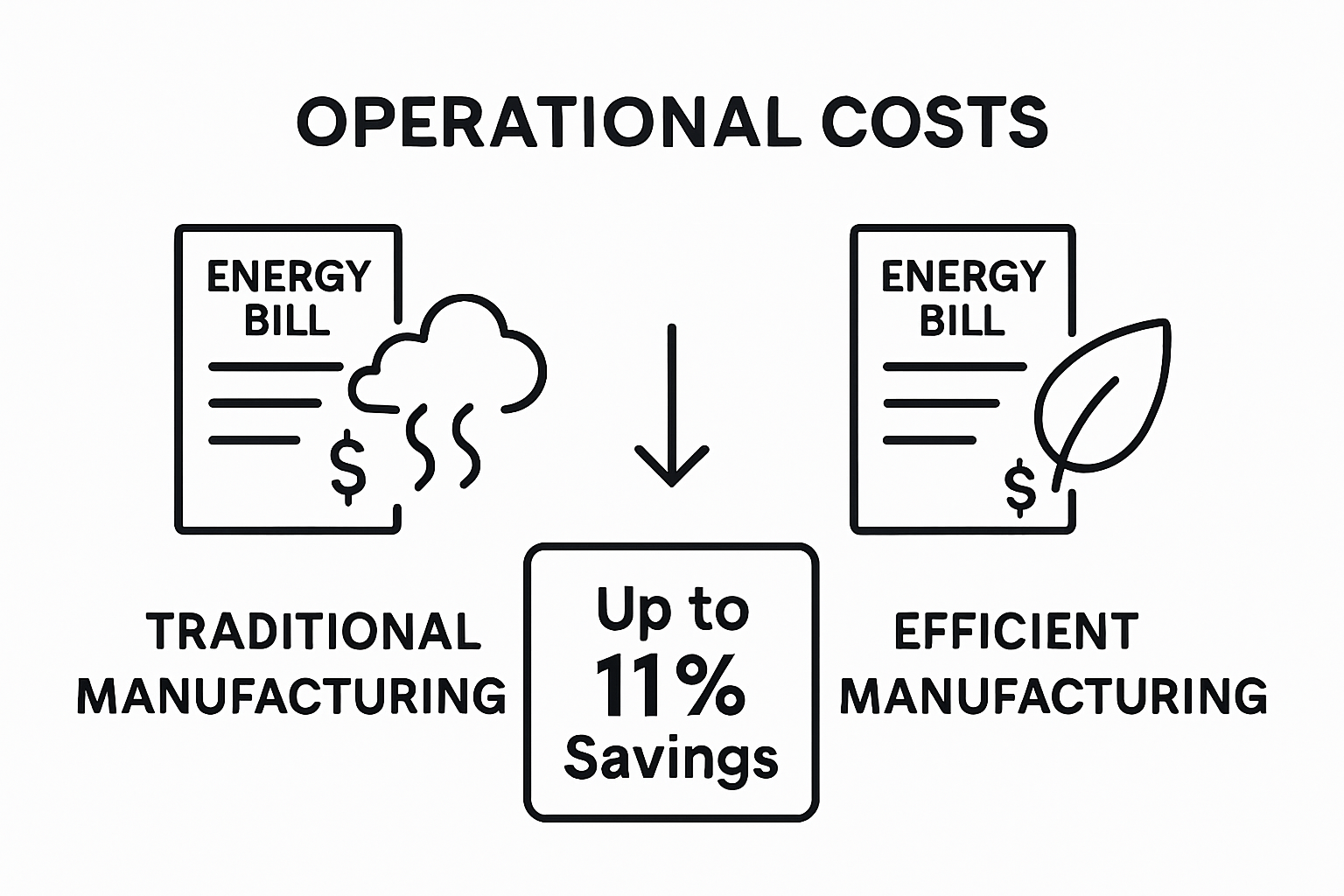
According to Stellenbosch University research, strategic energy efficiency projects can potentially unlock up to 11% of total potential energy savings with minimal capital investment.
Comprehensive Economic Impact
Beyond immediate energy expenditure reductions, energy efficiency delivers broader economic advantages. Manufacturers who strategically approach energy management can experience compounding financial benefits that extend across their entire operational ecosystem.
These comprehensive economic impacts include:
- Reduced maintenance costs for energy-intensive equipment
- Enhanced equipment longevity through optimized performance
- Improved production process reliability
- Potential access to government incentives and tax benefits related to energy efficiency
By treating energy efficiency as a holistic strategic approach rather than a singular technical intervention, manufacturers can transform operational costs from a fixed expense into a dynamic opportunity for continuous improvement and financial optimization.

Key Concepts and Technologies Driving Energy Efficiency in Manufacturing
Technological innovation has become the cornerstone of energy efficiency strategies, enabling manufacturers to transform traditional production processes into intelligent, resource-optimized systems that dramatically reduce energy consumption and environmental impact.
Advanced Monitoring and Control Systems
Smart digital technologies are revolutionizing how manufacturers track and manage energy consumption. Sophisticated monitoring systems provide real-time insights into energy utilization, allowing for immediate identification and correction of inefficiencies. Learn more about how steel technologies are evolving to support these critical energy management innovations.
Key technological interventions include:
- Internet of Things (IoT) enabled sensors
- Advanced data analytics platforms
- Machine learning-powered predictive maintenance systems
- Real-time energy consumption dashboards
These technologies enable manufacturers to transition from reactive to proactive energy management, creating opportunities for continuous performance optimization.
Sustainable Equipment and Process Design
Modern manufacturing demands a holistic approach to energy efficiency, focusing on fundamental redesigns of equipment and production processes. Innovative engineering solutions are creating more energy-efficient manufacturing environments by fundamentally reimagining how industrial systems operate.
According to National Advanced Manufacturing Technology Strategy, critical technological approaches include:
- High-efficiency electric motors
- Advanced heat recovery systems
- Modular and adaptable production equipment
- Precision energy management controls
By integrating these technologies, manufacturers can significantly reduce energy consumption while maintaining or improving production capabilities.
Real-World Examples of Energy Efficiency in the Manufacturing Sector
Practical implementation of energy efficiency strategies demonstrates the transformative potential of targeted technological and procedural interventions across diverse manufacturing environments. Real-world case studies reveal concrete pathways for substantial energy and cost optimization.
Manufacturing Success Stories
South African manufacturers are increasingly adopting sophisticated energy efficiency approaches, generating significant economic and environmental benefits. Learn more about sustainable steel production practices, which showcase innovative energy management techniques.
Standing out among these success stories is ACA Threads, a Cape Town-based manufacturer that exemplifies strategic energy efficiency:
- Installed a 131 kW rooftop solar PV system
- Achieved annual savings of R500,000 through renewable energy implementation
- Reduced heavy fuel oil usage, saving an additional R300,000 per year
- Decreased water consumption by 66% per kilogram of thread dyed
According to Stellenbosch University research, strategic energy efficiency projects can potentially unlock up to 11% of total potential energy savings with minimal capital investment.
Sector-Wide Transformation Potential
Beyond individual success stories, energy efficiency represents a comprehensive opportunity for industrial transformation. Manufacturers are discovering that energy optimization is not just an environmental imperative but a strategic competitive advantage.
Key sector-wide transformation indicators include:
- Increased adoption of renewable energy technologies
- Implementation of advanced monitoring systems
- Comprehensive energy management training programs
- Integration of predictive maintenance technologies
These examples underscore how strategic, technology-driven approaches can simultaneously reduce operational costs, minimize environmental impact, and enhance overall manufacturing competitiveness.
Take Control of Energy Efficiency with Genesis Steel’s Solutions
Struggling with high operational costs and wasted resources highlighted in your journey to better energy efficiency? You are not alone. Many South African manufacturers feel the pressure to upgrade production without losing control of expenses or quality. Our article shows that smart material selection and reliable suppliers are critical to sustainable manufacturing and cost management. That is where Genesis Steel can power your next step.
Explore our full range of steel solutions
Experience the impact of better energy efficiency by choosing high-quality steel products delivered fast and efficiently to meet your precise needs. Partner with Genesis Steel and gain access to a dedicated team who understands the demands of South African manufacturing. Visit Genesis Steel today to see how the right materials can transform your efficiency and resilience. The sooner you upgrade your approach the sooner you see results.
Frequently Asked Questions
What is energy efficiency in manufacturing?
Energy efficiency in manufacturing refers to optimally using energy in production processes to reduce energy consumption while maintaining or improving output. It minimizes wasted energy and maximizes operational performance through smart technology and procedural improvements.
Why is energy efficiency important for manufacturers?
Energy efficiency is crucial for manufacturers as it reduces operational costs, enhances financial predictability, and supports environmental responsibility. It has become a competitive advantage and is often necessary for regulatory compliance due to increasing energy costs and strict environmental regulations.
How can manufacturers reduce operational costs through energy efficiency?
Manufacturers can lower operational costs by implementing energy management strategies, minimizing electricity consumption, optimizing process energy use, and employing smart monitoring technologies. These interventions can lead to substantial financial savings and improved production efficiency.
What technologies drive energy efficiency in manufacturing?
Key technologies driving energy efficiency include advanced monitoring and control systems, such as IoT sensors and data analytics platforms, as well as sustainable equipment designs like high-efficiency motors and heat recovery systems. These innovations allow manufacturers to proactively manage energy use and enhance productivity.