

Every construction project in Gauteng relies on steel, yet not all steel is created equal. Here is something most people miss. Steel that meets ISO standards can reduce production costs by up to 15 percent while making international trade much smoother. Yet, most buyers still focus mainly on price and overlook the powerful edge they gain from rigorous quality certification. That quiet piece of paper in your supplier file could be the difference between costly mistakes and true reliability.
Table of Contents
- Understanding ISO Standards For Steel Products
- Key Benefits For Gauteng Industrial Sectors
- How To Ensure Steel Compliance In Procurement
- Essential Certification Processes For B2B Buyers
Quick Summary
| Takeaway | Explanation |
|---|---|
| ISO Standards Ensure Quality | They impose rigorous specifications for material properties and performance in steel manufacturing. |
| Compliance Minimizes Risks | Adhering to ISO standards mitigates potential material failure and enhances safety protocols. |
| Documentation is Crucial | Thorough verification of certification documents is essential for ensuring steel compliance in procurement. |
| Ongoing Supplier Monitoring Needed | Continuous assessment of suppliers helps maintain high quality and consistency in steel products. |
| ISO Boosts Market Access | Compliance with ISO standards facilitates global market integration and enhances industrial credibility. |
Understanding ISO Standards for Steel Products
International Organization for Standardization (ISO) standards represent critical benchmarks for quality, safety, and performance in steel manufacturing and production. These globally recognized standards ensure consistent quality, interoperability, and reliability across industrial applications.
The Foundation of ISO Steel Standards
ISO standards for steel products establish precise technical specifications that manufacturers must meet. Research from the International Standards Organization indicates these standards cover multiple critical aspects including material composition, mechanical properties, dimensions, and testing methodologies. For steel products, standards like ISO 630 define structural steel grades, while ISO 4948 specifies classification systems for steel compositions.
The comprehensive nature of these standards means that every steel product undergoes rigorous evaluation. Manufacturers must demonstrate their products meet exact specifications for strength, durability, corrosion resistance, and performance under various environmental conditions. This systematic approach guarantees that steel used in construction, engineering, and industrial applications maintains consistently high quality.
Quality Assurance and Compliance Mechanisms
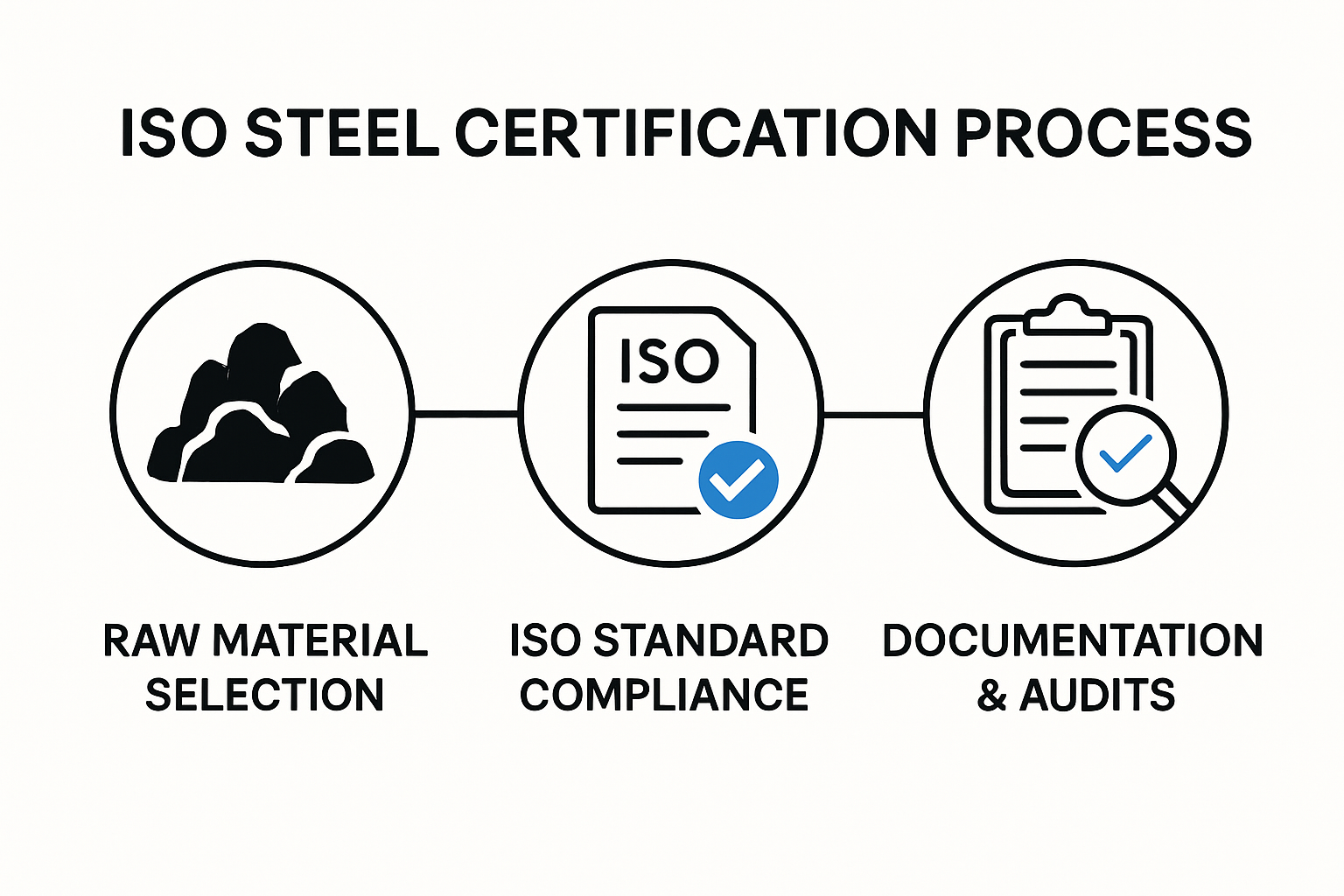
According to the World Steel Association, ISO standards create a universal language for steel quality. Compliance involves multiple verification stages: material testing, production process monitoring, and final product inspection. Steel manufacturers must maintain detailed documentation proving each batch meets prescribed international standards.
The certification process involves independent third-party audits that thoroughly examine manufacturing practices. These audits assess not just the final product but the entire production system. Manufacturers receiving ISO certification demonstrate their commitment to excellence, providing customers with confidence in their steel products’ reliability and performance.
For industrial buyers in Gauteng and beyond, understanding these standards means recognizing the rigorous processes behind high-quality steel production. These standards protect investments, ensure safety, and promote consistent performance across diverse applications. Learn more about our steel quality standards.
Key benefits of ISO standards for steel include:
- Consistent Quality: Guaranteed performance across different manufacturing batches
- Global Compatibility: Products meet international benchmarks
- Risk Mitigation: Reduced potential for material failure
- Enhanced Traceability: Clear documentation of material origins and properties
These standards represent more than bureaucratic requirements. They are fundamental frameworks ensuring steel remains a reliable, safe, and innovative material driving industrial progress.

Key Benefits for Gauteng Industrial Sectors
Gauteng’s industrial landscape relies heavily on robust steel standards that drive operational excellence and competitive advantage across multiple sectors. ISO standards provide a strategic framework transforming how manufacturing and engineering businesses operate and compete both locally and internationally.
Economic Performance and Competitive Edge
Research from the South African Bureau of Standards demonstrates that standardized steel production directly correlates with improved economic performance. Industrial sectors in Gauteng benefit from enhanced credibility and market access through rigorous ISO compliance. These standards eliminate variability in steel quality, enabling manufacturers to produce consistently high-grade materials that meet international specifications.
Companies adhering to ISO standards experience significant operational improvements. Precise manufacturing protocols reduce waste, optimize production processes, and minimize potential quality-related disruptions. According to the World Steel Association, standardization can reduce production costs by up to 15% while simultaneously improving product reliability.
Risk Management and Safety Protocols
ISO standards function as comprehensive risk management tools for Gauteng’s industrial sectors. They establish stringent safety protocols that protect workers, equipment, and end-user applications. By mandating specific material properties, testing procedures, and quality control mechanisms, these standards mitigate potential structural failures and operational risks.
For engineering, construction, and manufacturing industries, ISO standards provide a critical layer of protection. They ensure steel products can withstand extreme environmental conditions, mechanical stress, and long-term usage requirements. Learn more about our specialized steel solutions that meet these rigorous standards.
Global Market Integration
Standardization enables Gauteng’s industrial sectors to seamlessly integrate into global supply chains. International buyers and partners recognize and respect ISO-certified steel products, which serve as universal quality indicators. This recognition opens doors to expanded market opportunities, facilitating trade across regional and international boundaries.
Key advantages for Gauteng industrial sectors include:
- Enhanced Credibility: Internationally recognized quality assurance
- Operational Efficiency: Streamlined production processes
- Risk Reduction: Comprehensive safety and performance standards
- Market Access: Simplified international trade negotiations
By embracing ISO standards, Gauteng’s industrial sectors transform potential challenges into strategic opportunities. These standards are not merely regulatory requirements but powerful tools for sustainable industrial development and economic growth.
Here is a summary table that outlines the key benefits of ISO standards for steel, helping readers quickly identify how these standards add value to industrial sectors in Gauteng.
| Benefit | Description |
|---|---|
| Consistent Quality | Guarantee of performance across batches |
| Global Compatibility | Meets international benchmarks for steel |
| Risk Mitigation | Reduces chances of material failure |
| Enhanced Traceability | Detailed documentation of material origins/properties |
| Operational Efficiency | Streamlined production and reduced waste |
| Market Access | Easier entry into global and regional markets |
| Enhanced Credibility | Recognised assurance of quality and reliability |
How to Ensure Steel Compliance in Procurement
Ensuring steel compliance in procurement requires a strategic approach that goes beyond simple price comparisons. Procurement professionals must develop comprehensive evaluation frameworks that assess material quality, manufacturer credentials, and adherence to international standards.
Documentation and Certification Verification
According to the International Organization for Standardization, successful steel procurement begins with meticulous documentation review. Buyers must request and thoroughly examine comprehensive certification packages that include:
- Mill test certificates
- Chemical composition reports
- Mechanical property test results
- Traceability documentation
- ISO compliance certificates
These documents provide critical evidence of a steel product’s compliance with specified international standards. Procurement teams should establish a systematic verification process that cross-references manufacturer claims with independent testing results.
This checklist table helps procurement professionals systematically verify steel compliance by outlining essential documentation to request and check during the buying process.
| Document Type | Included? (Yes/No) | Purpose |
|---|---|---|
| Mill test certificates | Confirms steel’s grade and composition | |
| Chemical composition reports | Verifies elemental makeup | |
| Mechanical property test results | Confirms strength and durability | |
| Traceability documentation | Tracks origin and production process | |
| ISO compliance certificates | Proves manufacturer meets international standards |
Technical Specification and Material Validation
Research from the American Society for Testing and Materials highlights the importance of precise technical specifications in procurement. Procurement professionals must develop detailed material requirement documents that explicitly outline:
- Exact steel grade specifications
- Required mechanical properties
- Dimensional tolerances
- Performance expectations under specific environmental conditions
This granular approach eliminates ambiguity and provides a clear benchmark for evaluating potential steel suppliers. Learn more about our specialized steel specifications to understand comprehensive procurement strategies.
Supplier Audit and Continuous Monitoring
Effective steel procurement extends beyond initial purchase. Continuous supplier evaluation remains crucial for maintaining consistent quality. Best practices include:
- Periodic on-site manufacturing audits
- Regular sample testing
- Performance tracking of delivered materials
- Maintaining updated supplier performance scorecards
By implementing rigorous monitoring mechanisms, procurement teams can proactively identify potential quality variations and maintain high standards throughout the supply chain.
Key compliance strategies include:
- Comprehensive Documentation: Thorough review of technical certificates
- Precise Specifications: Detailed material requirement documents
- Continuous Monitoring: Regular supplier performance assessments
- Independent Verification: Third-party testing and validation
Successful steel procurement in today’s complex industrial environment demands a holistic approach that balances technical expertise, systematic verification, and strategic supplier relationships. Procurement professionals who master these principles can consistently secure high-quality steel products that meet the most demanding industrial standards.
Essential Certification Processes for B2B Buyers
B2B buyers in the steel industry face complex certification challenges that demand comprehensive understanding of technical standards, verification processes, and quality assurance mechanisms. Navigating these certification processes requires strategic approaches that protect investment and ensure consistent product quality.
Technical Competence and Laboratory Verification
Research from the International Organization for Standardization indicates that technical competence forms the foundation of effective certification processes. B2B buyers must prioritize suppliers demonstrating rigorous testing capabilities through ISO/IEC 17025 accreditation, which validates a laboratory’s technical competence and ability to produce reliable test results.
Key evaluation criteria include:
- Calibration of testing equipment
- Traceability of measurement standards
- Documented quality management systems
- Proficiency in conducting specialized material tests
These technical assessments go beyond surface-level inspections, providing deep insights into a manufacturer’s capabilities and commitment to quality standards.
Conformity Assessment and Management Systems
According to the International Accreditation Forum, comprehensive certification requires detailed conformity assessment across multiple dimensions. B2B buyers should examine suppliers’ management system certifications, particularly ISO 9001, which demonstrates systematic approaches to quality control, continuous improvement, and customer satisfaction.
The certification process typically involves:
- Initial documentation review
- On-site audits of manufacturing facilities
- Comprehensive performance evaluations
- Ongoing surveillance and recertification assessments
Learn more about our advanced steel certification processes to understand the depth of quality verification.
Continuous Verification and Performance Monitoring
Successful B2B certification is not a one-time event but an ongoing commitment to quality assurance. Advanced buyers implement robust monitoring frameworks that track supplier performance through:
- Periodic performance scorecards
- Regular material sampling and testing
- Detailed non-conformance tracking
- Collaborative improvement initiatives
Key certification priorities include:
- Technical Validation: Comprehensive laboratory competence assessment
- System Compliance: Rigorous management system evaluation
- Continuous Improvement: Dynamic performance monitoring
- Risk Mitigation: Proactive quality assurance strategies
B2B buyers who master these certification processes transform quality assurance from a compliance requirement into a strategic competitive advantage. By implementing systematic, thorough verification mechanisms, organizations can secure reliable steel supply chains that consistently meet the most demanding industrial standards.
Frequently Asked Questions
What are ISO standards for steel products?
ISO standards for steel products are internationally recognized benchmarks that ensure quality, safety, and performance in steel manufacturing. They include precise specifications for material properties, testing methodologies, and production processes.
How can ISO standards benefit industrial sectors in Gauteng?
ISO standards enhance economic performance, improve operational efficiency, and reduce risks by ensuring consistent steel quality. Compliance opens doors to global market integration and contributes to enhanced credibility within the industry.
What steps should be taken to ensure steel compliance in procurement?
To ensure steel compliance, procurement professionals should verify essential documentation such as mill test certificates, chemical composition reports, and ISO compliance certificates. Developing precise material specifications and conducting continuous supplier monitoring are also crucial.
How does ISO certification impact the quality of steel?
ISO certification guarantees that steel products meet rigorous international standards for quality and performance. It involves thorough testing, documentation, and independent audits, ensuring that the steel used in construction and manufacturing is reliable and safe.
Secure Your Project with ISO-Certified Steel Solutions in Gauteng
South African industries cannot afford to risk project delays and unexpected costs from uncertified steel. The article makes it clear how important rigorous ISO standards are for quality, compliance, and long-term performance. Many businesses in Gauteng still struggle with unreliable suppliers or missing documentation when it matters most. The ongoing need for supplier transparency, consistent quality, and proper certification is more pressing than ever. At Genesis Steel, we make it simple to align your steel procurement with international ISO standards.
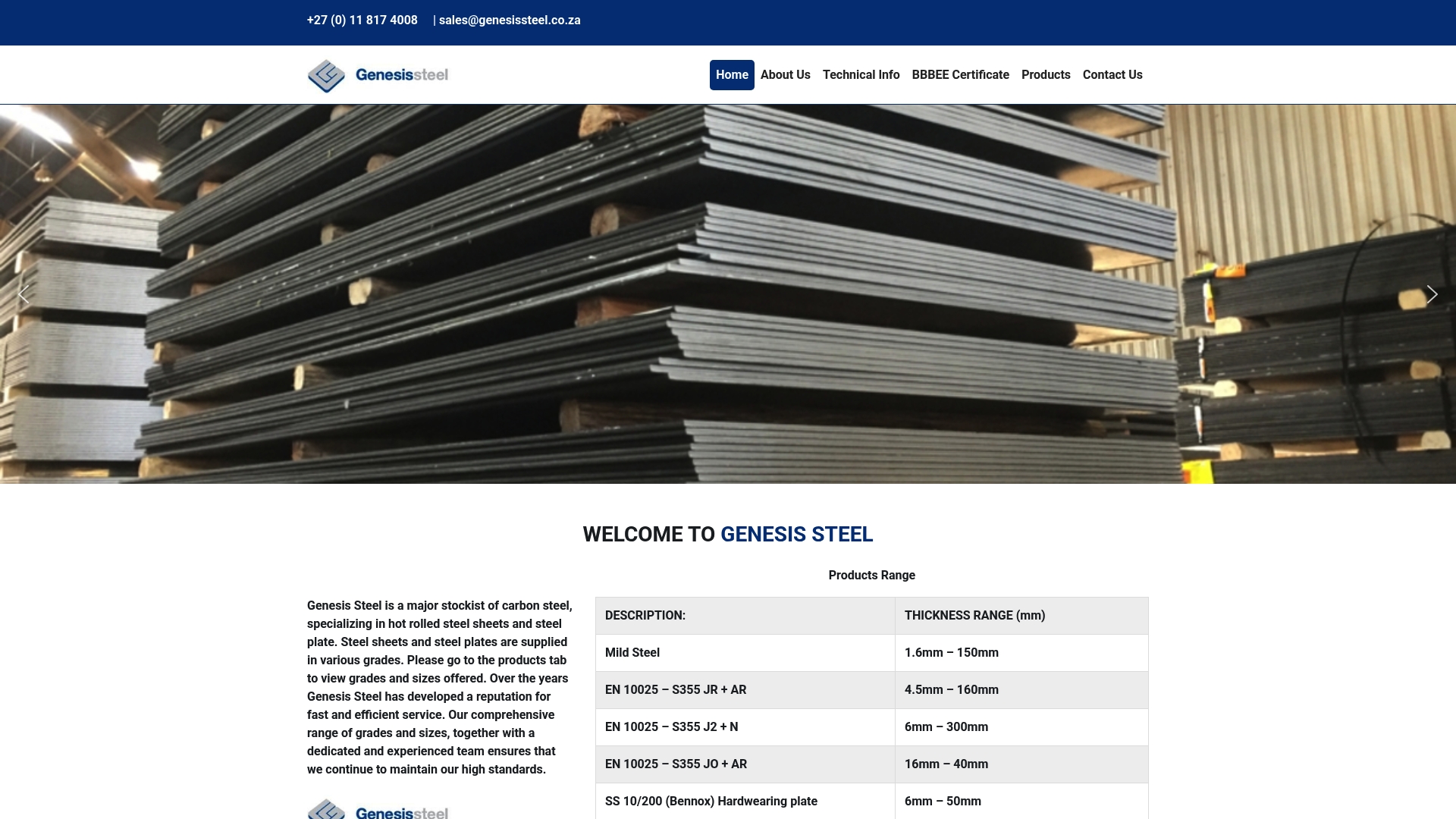
Make the switch to certainty with one of South Africa’s most trusted stockists of hot-rolled steel sheets and steel plates. Our extensive range of ISO-compliant grades and fast, reliable service means your project never has to settle for second best. Do not leave your quality assurance to chance. Visit Genesis Steel now and speak to our experienced team about your steel requirements. Get ahead with certified solutions delivered on time—secure your advantage today.