

Steel sheets might sound ordinary, but they are the backbone of almost every big industry in Gauteng, from massive mines to construction sites and busy factories. You might think they just come in random sizes, but there are set standards like 48 x 120 inches and thicknesses ranging from 0.239mm to 6.073mm that keep everything running smooth. The real surprise is that picking the right sheet is not just about measurements. It can make or break an entire project’s strength, cost, and safety in ways most people never realise.
Table of Contents
- Overview Of Standard Steel Sheet Sizes
- Common Steel Sheet Dimensions And Gauges
- Selecting The Right Steel Sheet For Your Project
- Industry-Specific Applications In Gauteng
Quick Summary
| Takeaway | Explanation |
|---|---|
| Standard dimensions enhance compatibility | Consistent steel sheet sizes streamline manufacturing and installation processes across various sectors in Gauteng. |
| Gauge thickness impacts performance | The gauge number correlates to material thickness, significantly influencing load-bearing capacity and structural integrity. |
| Evaluate material properties before selection | Assess mechanical strength, corrosion resistance, and thermal stability to ensure suitability for specific applications. |
| Consider industry-specific requirements | Different industries in Gauteng need tailored steel sheets to meet unique operational demands and environmental conditions. |
| Strategic selection ensures project success | Careful evaluation of dimensions and gauges can optimize performance and reduce waste throughout the production process. |
Overview of Standard Steel Sheet Sizes
Standard steel sheet sizes play a critical role in industrial manufacturing and construction processes across Gauteng. Understanding these standardized dimensions ensures precision, compatibility, and efficiency in various engineering and fabrication applications.
Dimensional Standardization in Steel Sheets
Steel sheet sizes are meticulously defined to meet diverse industrial requirements. According to the United States Code on Metal Standards, standard sizing involves precise measurements that facilitate seamless integration across different manufacturing sectors.
Typical steel sheet dimensions include standard rectangular panels measuring 36 x 96, 48 x 120, and 96 x 240 inches. These dimensions provide manufacturers with consistent reference points for design, cutting, and fabrication processes. Thickness measurements are equally crucial, with industrial standards often referencing gauge numbers to specify material characteristics.
Thickness and Gauge Considerations
Steel sheet thickness is traditionally represented through gauge numbers, although industry experts discourage this practice due to potential inconsistencies. For instance, a standard 26 gauge steel sheet measures approximately 0.0187 inches (0.47mm) thick. This precision ensures structural integrity and performance across various applications.
Engineering teams and procurement managers must carefully evaluate thickness requirements based on specific project needs. Factors such as load-bearing capacity, corrosion resistance, and environmental conditions significantly influence the selection of appropriate steel sheet dimensions and gauges.
For professionals seeking comprehensive insights into steel specifications, our detailed guide on steel plate variations provides additional technical information tailored to Gauteng industrial requirements.
Understanding standard steel sheet sizes goes beyond mere measurements. It represents a critical aspect of industrial engineering that ensures compatibility, reduces waste, and optimizes manufacturing processes. Manufacturers, contractors, and engineers rely on these standardized dimensions to develop robust, efficient solutions across multiple sectors.
Key considerations when evaluating steel sheet sizes include:
- Precision: Exact dimensional specifications crucial for engineering accuracy
- Versatility: Adaptable sizes supporting diverse industrial applications
- Performance: Thickness and gauge directly impacting material characteristics
Professionals in Gauteng’s industrial landscape must remain informed about these standardized specifications to maintain competitive manufacturing capabilities and deliver high-quality engineering solutions.
Common Steel Sheet Dimensions and Gauges
Industrial manufacturing and construction sectors in Gauteng demand precise steel sheet specifications to ensure optimal performance and reliability. Understanding the range of common steel sheet dimensions and gauges is essential for engineers, procurement managers, and fabrication specialists.
Standard Rectangular Panel Dimensions
To help quickly compare the most common standard steel sheet sizes used across Gauteng industries, here is a summary table of key rectangular panel dimensions referenced in the article:
| Standard Size (inches) | Typical Application Context |
|---|---|
| 36 x 96 | Medium-scale fabrication, general use |
| 48 x 120 | Construction, manufacturing, heavy industry |
| 96 x 240 | Large-scale, structural, or industrial use |
Steel sheets are typically manufactured in standardized rectangular panel sizes that facilitate efficient manufacturing and installation processes. According to Xometry Pro’s sheet metal thickness guide, common industrial dimensions include:
- 36 x 96 inches
- 48 x 120 inches
- 96 x 240 inches
These standard dimensions provide manufacturers with consistent reference points for design, cutting, and fabrication. The precise measurements enable seamless integration across different industrial applications, reducing material waste and enhancing production efficiency.
Gauge Thickness Specifications
Gauge numbers represent a critical aspect of steel sheet specifications, providing a standardized method for describing material thickness. Research from the United States Code on Metal Standards indicates that gauge numbers vary across different metal types and industrial requirements.
Steel sheet gauges range from 3-gauge (0.239 inches or 6.073 mm) to 38-gauge (0.006 inches or 0.152 mm). Industrial professionals must carefully select gauge thickness based on specific project requirements, considering factors such as structural integrity, load-bearing capacity, and environmental conditions.
For more comprehensive insights into steel plate variations specific to Gauteng industries, explore our detailed steel plate selection guide.
Key considerations when selecting steel sheet dimensions and gauges include:
- Application Specificity: Matching sheet specifications to precise industrial requirements
- Material Performance: Evaluating thickness for structural and mechanical demands
- Cost Efficiency: Optimizing material selection to balance performance and economic constraints
Engineering teams and procurement specialists must develop a nuanced understanding of these specifications to make informed decisions. The right combination of dimensions and gauges ensures project success, equipment reliability, and long-term performance across diverse industrial sectors in Gauteng.
Selecting the Right Steel Sheet for Your Project
Selecting the appropriate steel sheet for industrial and construction projects requires careful consideration of multiple technical and operational factors. Professionals in Gauteng must navigate complex material specifications to ensure optimal performance, durability, and cost-effectiveness.
Material Property Evaluation
Here is a helpful summary table outlining key factors to consider when selecting steel sheet material properties, as mentioned in the article:
| Material Property | Importance in Selection |
|---|---|
| Mechanical Strength | Ensures load-bearing capacity and structural integrity |
| Corrosion Resistance | Protects against degradation in harsh or chemical environments |
| Thermal Stability | Maintains performance under varying temperature conditions |
Comprehensive material selection demands a strategic approach to understanding steel sheet characteristics. According to Steel Construction Information, engineers must evaluate critical properties including:
- Mechanical Strength: Assessing load-bearing capacity and structural integrity
- Corrosion Resistance: Determining material performance in specific environmental conditions
- Thermal Stability: Understanding temperature-related material behaviors
These fundamental properties directly influence the sheet’s suitability for specific industrial applications. ASTM International Standards provide comprehensive guidelines for evaluating steel sheet specifications across diverse engineering requirements.
Application-Specific Selection Criteria
Industrial sectors in Gauteng present unique challenges that demand precise steel sheet selection. Construction, mining, and manufacturing environments require nuanced material choices that balance performance, longevity, and economic considerations.
For professionals seeking deeper insights into material properties, our comprehensive guide on carbon steel characteristics offers detailed technical perspectives tailored to regional industrial needs.
Key selection factors include:
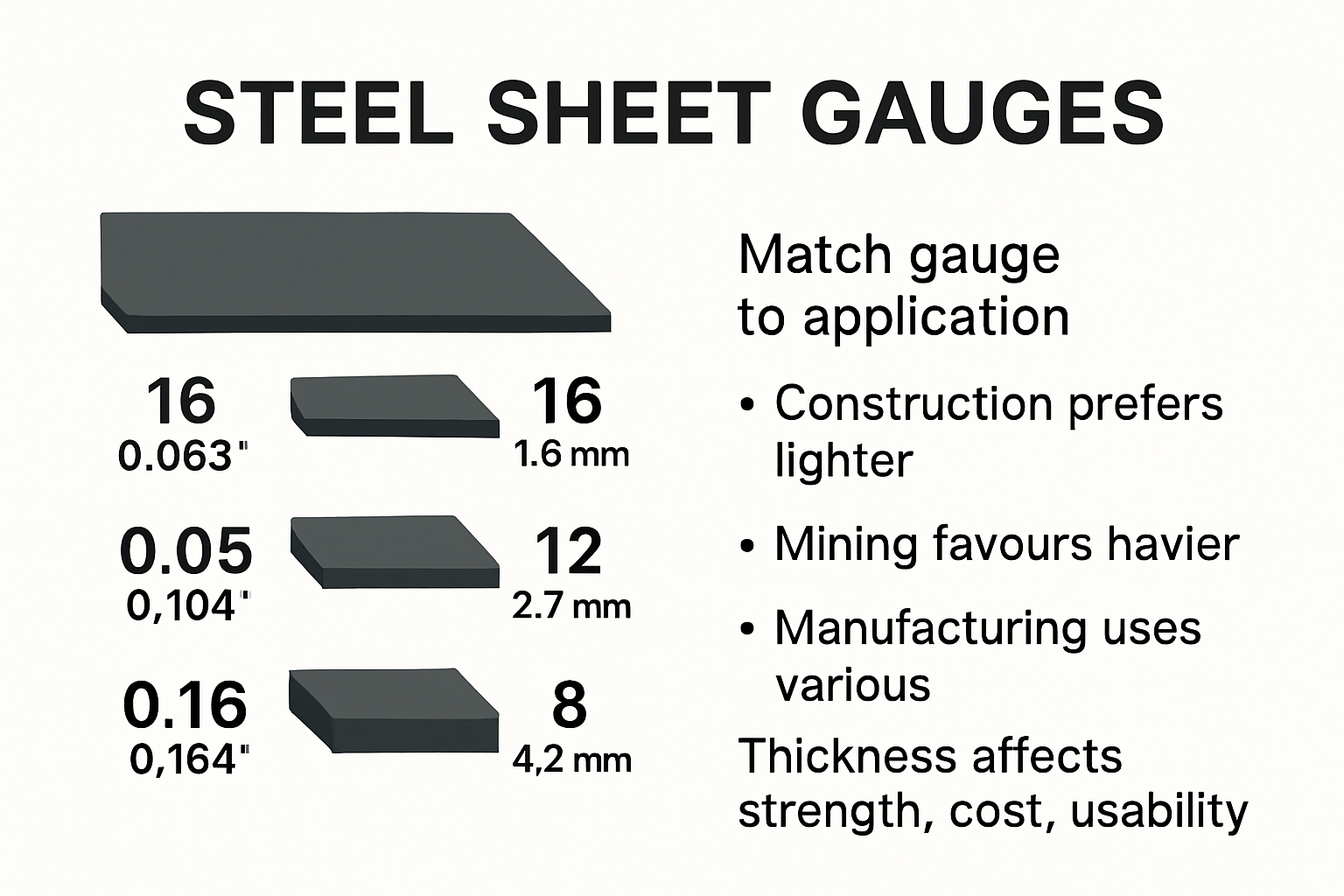
- Environmental Exposure: Evaluating potential chemical, temperature, and mechanical stresses
- Project-Specific Requirements: Matching material properties to precise engineering specifications
- Long-Term Performance: Considering maintenance requirements and potential material degradation
Engineering teams must conduct thorough assessments that go beyond basic dimensional specifications. Steel Construction Products research emphasizes the importance of holistic material evaluation, considering not just immediate project needs but potential future performance and adaptability.
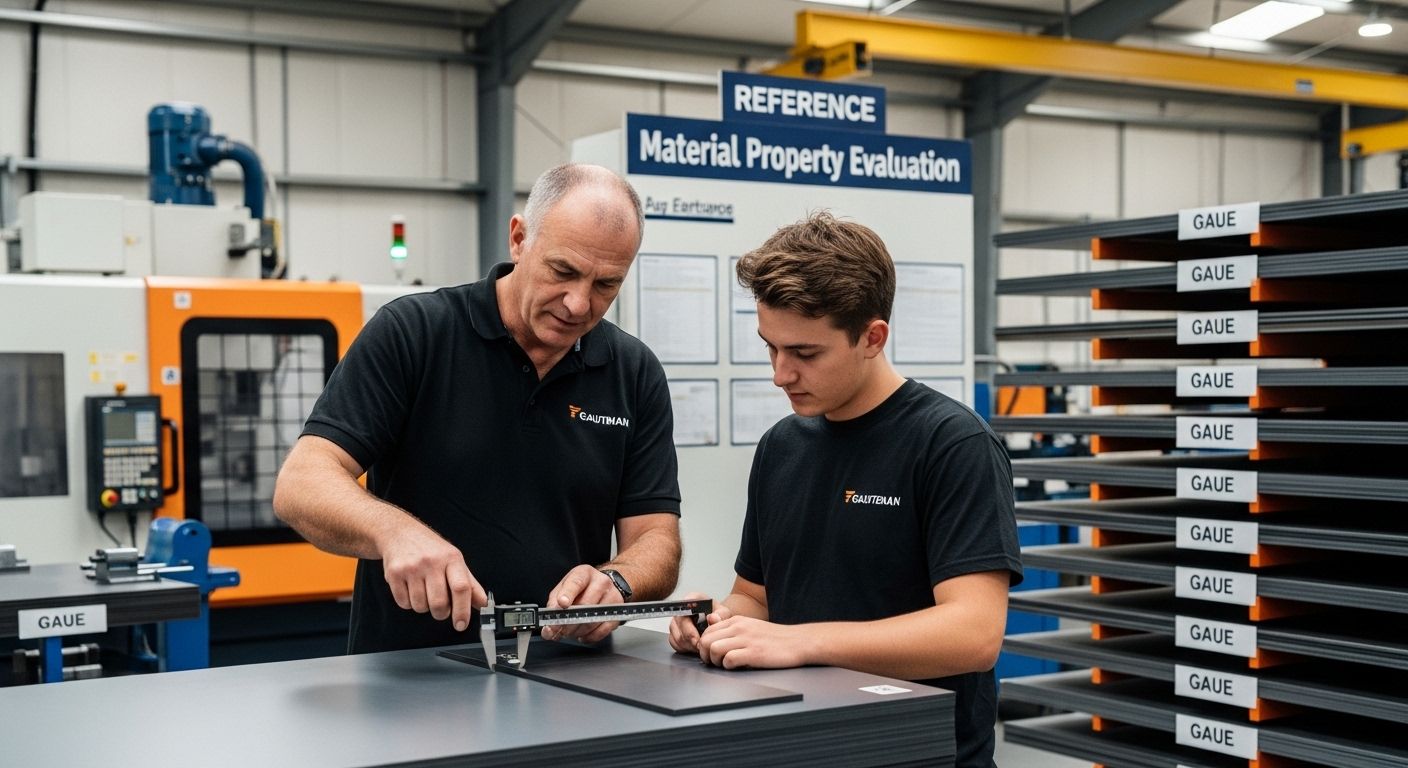
Professionals in Gauteng’s industrial sectors should approach steel sheet selection as a strategic decision. The right material choice impacts project efficiency, structural reliability, and overall economic performance. Collaborative consultation between engineers, procurement specialists, and materials experts ensures optimal outcomes across complex industrial applications.
Industry-Specific Applications in Gauteng
Gauteng’s diverse industrial landscape demands specialized steel sheet applications across multiple sectors. Understanding the unique requirements of different industries enables precise material selection and optimal performance in critical engineering environments.
Construction and Infrastructure Development
Steel sheets play a fundamental role in Gauteng’s construction and infrastructure sectors. ASTM International Standards provide comprehensive guidelines for selecting steel sheets with specific mechanical properties suitable for structural applications.
In construction projects, engineers require steel sheets that offer exceptional strength, durability, and corrosion resistance. Cold-formed steel members, as explored in research by McKinney and Liu, demonstrate the critical importance of material selection in creating robust structural components.
Key construction applications include:
- Structural framing
- Roofing systems
- Reinforcement panels
- Architectural cladding
Mining and Heavy Industrial Applications
Gauteng’s mining and heavy industrial sectors demand steel sheets with superior mechanical properties. Our comprehensive guide on specialized steel types provides insights into material selection for extreme operational conditions.
These industries require steel sheets capable of withstanding:
- High mechanical stress
- Extreme temperature variations
- Corrosive environmental conditions
- Significant load-bearing requirements
Industrial sheet applications range from equipment manufacturing to protective infrastructure, where material performance directly impacts operational efficiency and safety.
Manufacturing and Fabrication Sector
Manufacturing processes in Gauteng rely on precisely specified steel sheets for creating complex components and machinery. Sheet metal specifications play a crucial role in determining the final product’s quality and performance.
Fabrication specialists must consider multiple factors when selecting steel sheets, including:
- Dimensional accuracy
- Material ductility
- Welding and forming capabilities
- Surface finish requirements
The versatility of steel sheets enables manufacturers to develop innovative solutions across automotive, machinery, and specialized equipment sectors.
Professionals in Gauteng’s industrial sectors must approach steel sheet selection as a strategic decision. Comprehensive understanding of material properties, industry-specific requirements, and potential performance challenges ensures optimal outcomes across diverse engineering applications.
Frequently Asked Questions
What are the standard steel sheet sizes commonly used in Gauteng industries?
Standard steel sheet sizes include dimensions such as 36 x 96 inches, 48 x 120 inches, and 96 x 240 inches. These dimensions facilitate consistent manufacturing and installation processes across various sectors.
How does the gauge of a steel sheet affect its performance?
The gauge of a steel sheet refers to its thickness, which directly influences load-bearing capacity and structural integrity. Thicker gauges, such as 3-gauge, provide more strength compared to thinner gauges like 38-gauge.
Why is dimensional standardization important for steel sheets in Gauteng?
Dimensional standardization ensures compatibility across different manufacturing processes, reduces waste, and optimizes efficiency. It provides manufacturers with consistent reference points for cutting and fabrication, which is vital in industrial applications.
What factors should be considered when selecting steel sheets for specific projects?
Key factors include material properties such as mechanical strength, corrosion resistance, and thermal stability, as well as project-specific requirements like environmental exposure and load-bearing needs. Proper evaluation ensures optimal performance and longevity of the materials.
Take Control of Your Steel Sheet Sizing – Secure the Right Fit for Every Project
Finding the perfect steel sheet size for your Gauteng business is critical. As explored in this article, choosing the wrong dimensions or thickness can lead to waste, compromise safety, or push up costs. You need a supplier who understands the demands of structural compatibility, gauge accuracy, and quick turnarounds. If you have struggled to source reliable, standard sizes for time-sensitive projects, you are not alone. That is why having access to a diverse, ready stock in the heart of Gauteng makes all the difference. Visit our Uncategorised category to see how we support local industries with real solutions.
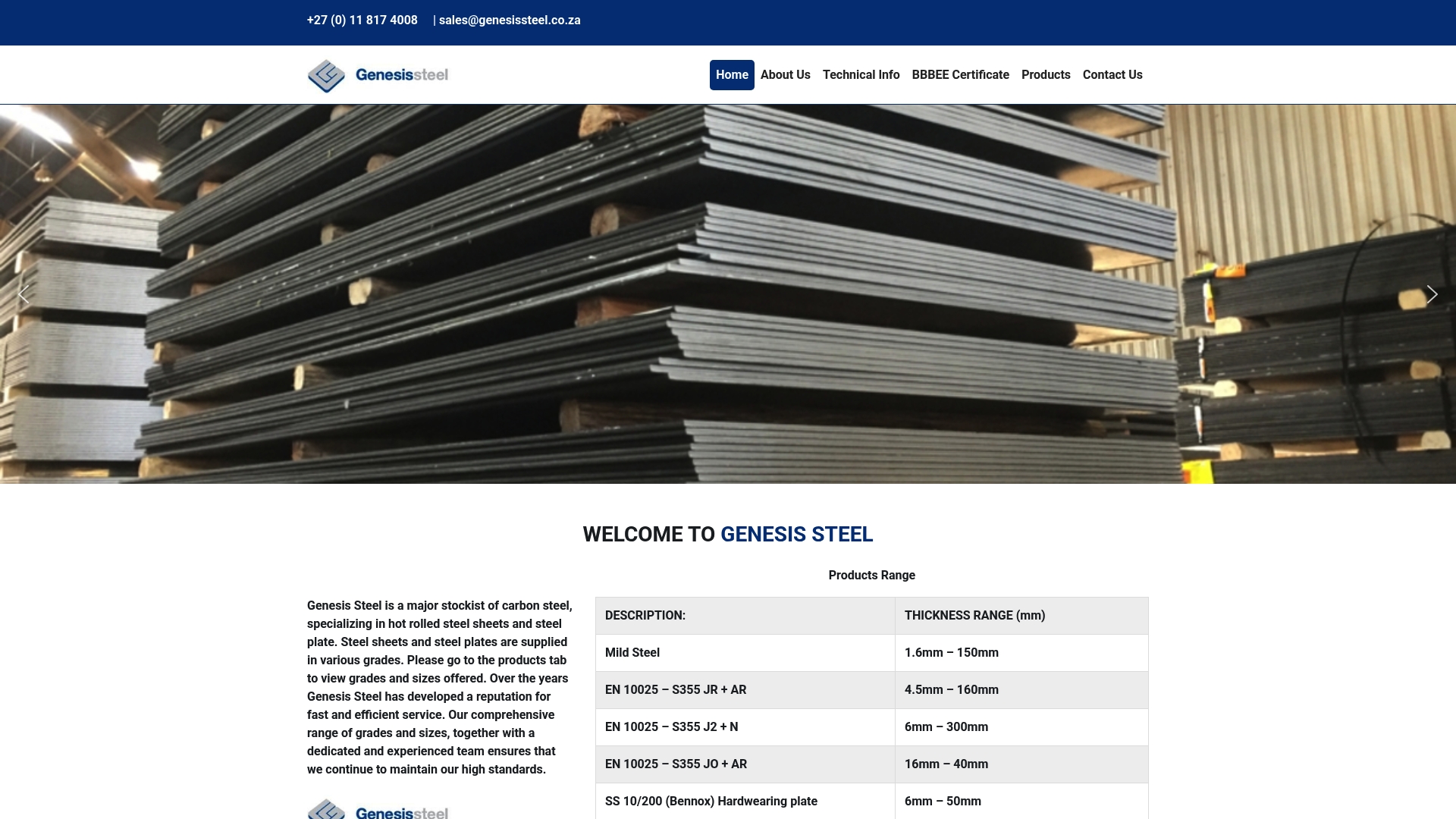
Choose Genesis Steel to end the sourcing headaches. Our massive Brakpan facility and experienced team ensure you get the grade, thickness, and size you need with speed. Visit Genesis Steel now to partner with Gauteng’s trusted hot-rolled steel merchant. You can request a tailored quote straight from our homepage. Do not let the wrong steel sheet delay another project – act today and secure your competitive edge.