

Steel corrosion is one of the biggest threats facing infrastructure durability across South Africa. Some studies have found that over 20 percent of annual steel production is lost to corrosion worldwide, costing billions. But most people think fighting rust is just about the right paint or a quick fix. The real surprise is that preventing steel corrosion starts long before a brush touches the metal, with steps that have nothing to do with coatings or chemicals.
Table of Contents
- Step 1: Assess Environmental Conditions For Steel Application
- Step 2: Choose Appropriate Steel Grades And Alloys
- Step 3: Implement Protective Coatings And Treatments
- Step 4: Establish Regular Maintenance And Inspection Schedules
- Step 5: Monitor And Evaluate Corrosion Prevention Effectiveness
Quick Summary
| Key Point | Explanation |
|---|---|
| 1. Conduct thorough environmental assessments | Evaluating factors like temperature, humidity, and chemical exposure helps identify potential corrosion risks for steel. |
| 2. Choose appropriate steel grades and alloys | Match steel properties with identified environmental conditions to ensure optimal corrosion resistance and longevity. |
| 3. Implement suitable protective coatings | Use precise coating techniques to create effective barriers against environmental degradation, including surface preparation. |
| 4. Establish regular maintenance and inspection | Create tailored schedules for inspections to monitor steel integrity and quickly address potential corrosion indicators. |
| 5. Monitor and evaluate prevention effectiveness | Use advanced diagnostic techniques to assess and refine corrosion prevention strategies, ensuring proactive management. |
Step 1: Assess Environmental Conditions for Steel Application
Preventing steel corrosion begins with a comprehensive environmental assessment that pinpoints potential risks and degradation factors. Industrial professionals must conduct a meticulous evaluation of the specific conditions where steel components will be utilized, recognizing that environmental variables dramatically impact material performance and longevity.
The assessment process requires a systematic approach that examines multiple critical parameters affecting steel integrity. Temperature, humidity, chemical exposure, and atmospheric composition represent fundamental factors determining potential corrosion risks. Manufacturing and engineering teams need to gather detailed data about the operational environment, documenting precise measurements and understanding the unique challenges each setting presents.
Key Environmental Parameters to Evaluate
- Ambient temperature range and potential thermal fluctuations
- Relative humidity levels and moisture exposure
- Presence of corrosive chemical agents
- Saltwater or industrial chemical proximity
- Potential for direct precipitation contact
Engineers must utilize specialized monitoring equipment to capture accurate environmental data. Precision instruments like hygrometers, thermocouples, and atmospheric composition analyzers provide critical insights into potential corrosion triggers. Learn more about steel quality assessment techniques to complement your environmental evaluation strategy.
According to research from the University of Pretoria, understanding hydrogen exposure and temperature variations is crucial in preventing mechanical property degradation. Professionals should create comprehensive environmental profiles that map out potential risk zones and develop targeted corrosion prevention strategies.
Successful environmental assessment requires documentation of all findings, creating a baseline reference for future monitoring and intervention. Detailed logs should include precise measurements, timestamp information, and contextual observations that provide a holistic understanding of the steel application environment. By establishing this foundational assessment, industries can proactively design corrosion mitigation strategies tailored to their specific operational conditions.
Step 2: Choose Appropriate Steel Grades and Alloys
Selecting the right steel grade and alloy composition represents a critical strategy in preventing corrosion and ensuring long-term material performance. After completing the comprehensive environmental assessment, industrial professionals must match steel characteristics precisely to the operational conditions identified in the first step.
Material Selection Criteria
The selection process demands a nuanced understanding of how specific steel compositions interact with environmental challenges. Carbon content, chromium percentage, and additional alloying elements like nickel or molybdenum significantly influence corrosion resistance. Engineers must evaluate metallurgical properties against anticipated mechanical and chemical stresses.
Learn about identifying the right steel grades to support your material selection process. Stainless steel variants, for instance, offer superior corrosion resistance through carefully balanced chromium concentrations that create protective oxide layers.
According to research from the University of Pretoria, strategic additions of elements like vanadium can enhance material performance. Professionals should consider alloy modifications that improve pitting resistance and structural integrity under challenging environmental conditions.
Verification and Comparative Analysis
- Chemical composition analysis
- Mechanical property testing
- Corrosion resistance simulation
- Environmental compatibility assessment
- Long-term performance projections
Comprehensive material selection involves more than theoretical calculations. Practical testing through accelerated corrosion simulations and comparative material analyses provides critical validation. Metallurgical experts recommend developing comprehensive material passports that document precise composition, expected performance characteristics, and potential limitations.
Successful steel grade selection requires collaboration between materials engineers, corrosion specialists, and operational teams. By integrating detailed environmental data with advanced metallurgical knowledge, industries can develop robust strategies that minimize corrosion risks and optimize material longevity.
Step 3: Implement Protective Coatings and Treatments
Implementing robust protective coatings represents the critical third step in preventing steel corrosion, transforming bare metal surfaces into resilient barriers against environmental degradation. After meticulously assessing environmental conditions and selecting appropriate steel grades, industrial professionals must apply strategic protective treatments that dramatically extend material lifespan.
Coating Selection and Application Strategies
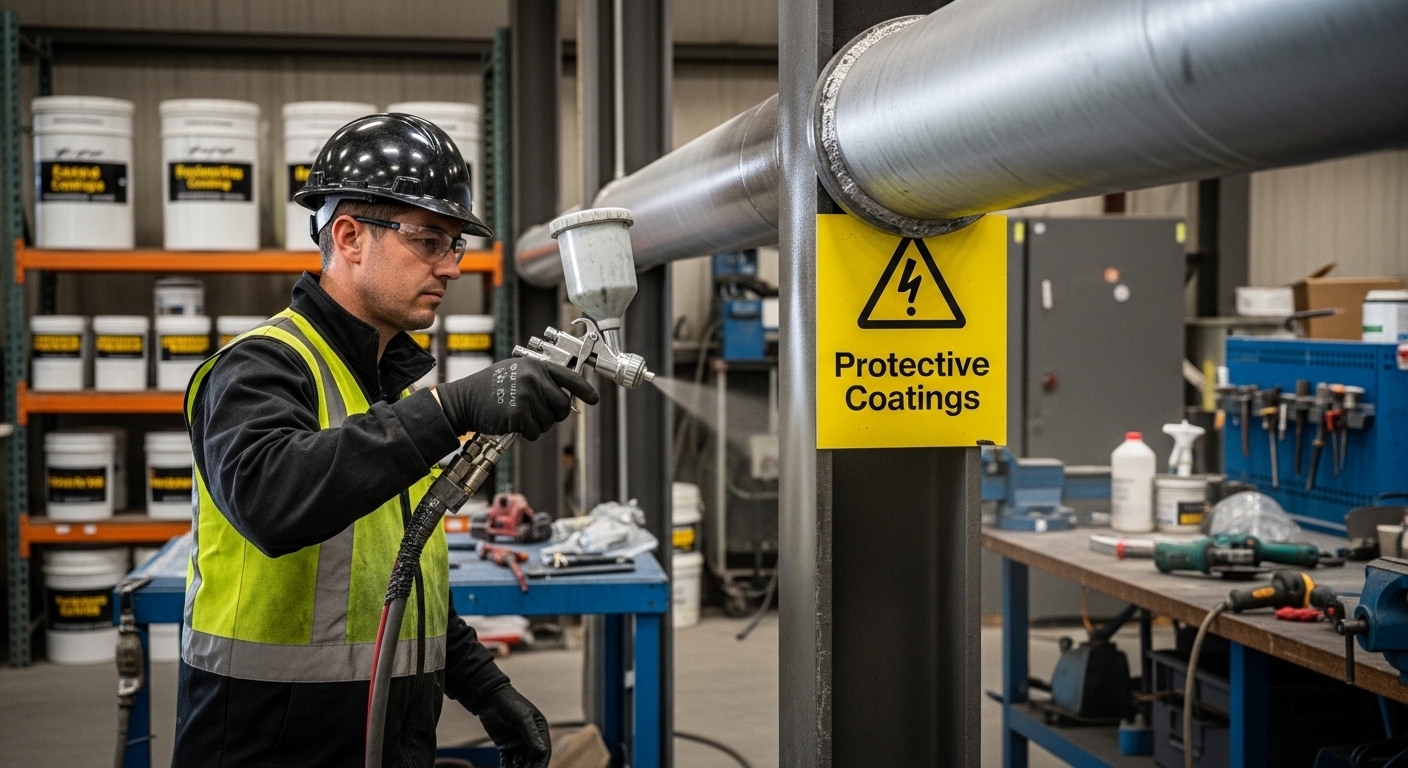
Protective coating selection demands precision engineering. Different environments require specialized treatments ranging from zinc-based galvanization to advanced polymer and ceramic coatings. According to the Corrosion Institute of Southern Africa, professionals must consider multiple factors including chemical composition, application method, and expected operational stress when designing protective systems.
The coating application process involves comprehensive surface preparation.
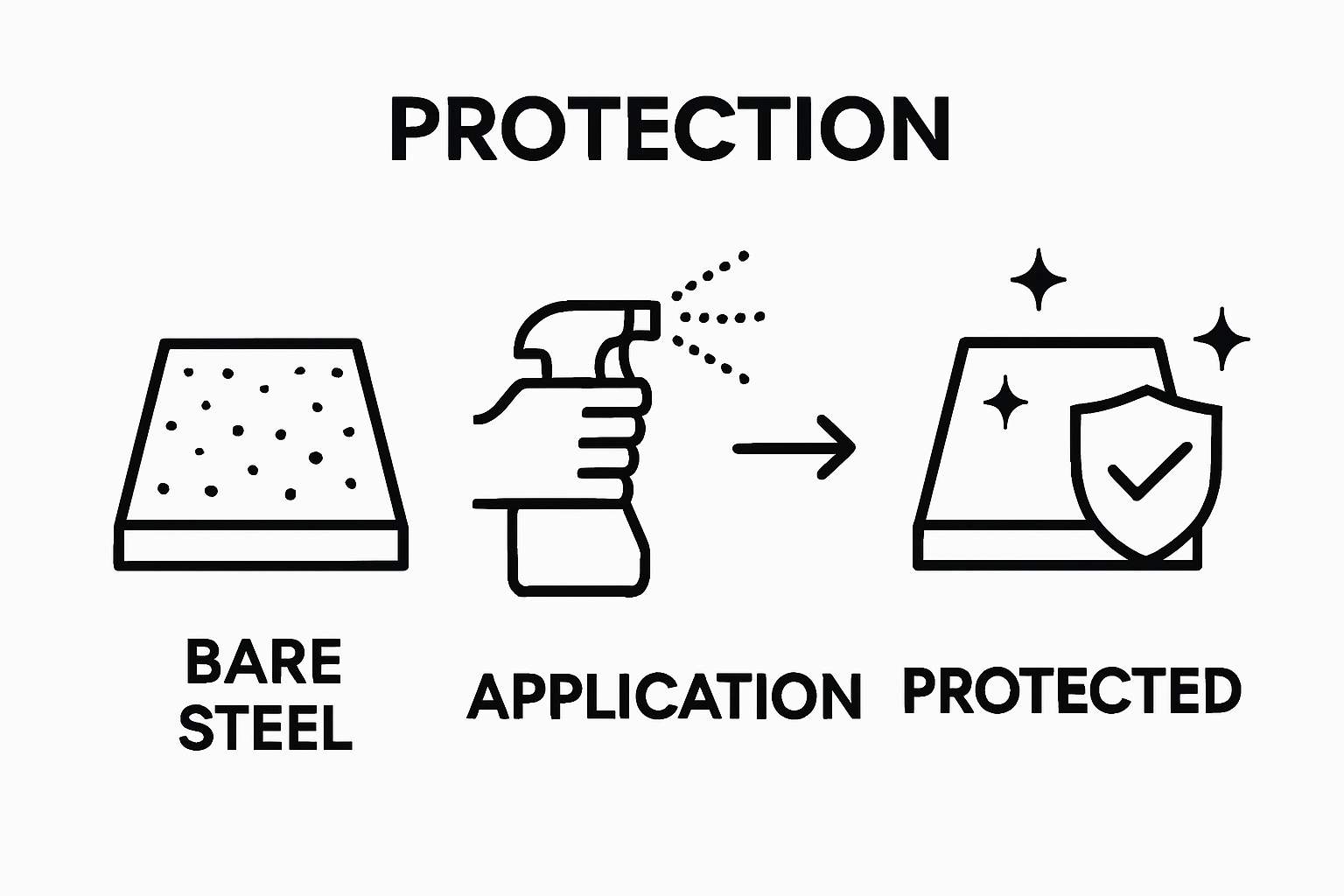 Critical preparatory steps include thorough cleaning, removing surface contaminants, and creating optimal adhesion conditions. Mechanical abrasion techniques like sandblasting or chemical etching create microscopic surface textures that enable superior coating bonding. Precision matters immensely during this stage, as improper preparation can compromise entire corrosion prevention strategies.
Essential Coating Verification Criteria
- Uniform coating thickness measurement
- Adhesion strength testing
- Holiday detection for pinhole identification
- Chemical resistance validation
- Accelerated weathering simulation
Modern coating technologies offer remarkable protection capabilities. Thermal spray coatings, electroplating techniques, and advanced polymer systems provide tailored solutions for specific industrial applications. Learn more about identifying optimal steel protection methods to complement your coating strategy.
Successful protective treatment implementation requires ongoing monitoring and periodic reassessment. Engineers should establish comprehensive inspection protocols that track coating performance, identifying potential degradation early. By integrating systematic application techniques with rigorous quality control measures, industries can create multilayered corrosion prevention systems that safeguard critical steel infrastructure against environmental challenges.
Below is a table comparing different protective coating methods for steel, highlighting their main features and typical industrial uses.
| Coating Method | Main Features | Typical Application |
|---|---|---|
| Zinc-based galvanization | Strong corrosion barrier, sacrificial | Outdoor structural steel |
| Advanced polymer coatings | High chemical resistance, flexibility | Industrial process equipment |
| Ceramic finishes | Excellent abrasion and heat resistance | High-temperature environments |
| Thermal spray coatings | Durable, multi-layer protection | Marine infrastructure |
| Electroplating | Even metallurgical layer, decorative | Machinery components |
| Bituminous coatings | Moisture resistance, cost-effective | Underground pipelines |
Step 4: Establish Regular Maintenance and Inspection Schedules
Establishing systematic maintenance and inspection schedules forms the cornerstone of proactive corrosion prevention, transforming reactive damage control into strategic material preservation. This critical step bridges the gap between initial protective treatments and long-term infrastructure integrity, ensuring that steel components remain resilient against environmental degradation.
Developing Comprehensive Inspection Protocols
Maintenance scheduling requires a nuanced approach that combines scientific precision with operational practicality. Professional engineers must create tailored inspection frameworks that account for specific environmental conditions, material characteristics, and operational stress levels identified in previous assessment stages. Frequency matters significantly – more challenging environments demand more rigorous monitoring intervals.
Learn about advanced steel quality assessment techniques to enhance your maintenance strategy. Implementing a multi-tiered inspection approach allows for both comprehensive annual evaluations and routine periodic checks that catch potential corrosion indicators early.
According to the Corrosion Institute of Southern Africa, effective maintenance schedules should incorporate both visual and instrumental diagnostic techniques. Specialized tools like ultrasonic thickness gauges, electrical resistance probes, and advanced spectroscopic instruments provide granular insights into material degradation processes.
Critical Inspection Checklist
- Comprehensive visual surface examination
- Coating integrity assessment
- Thickness measurement at potential corrosion sites
- Electrochemical potential mapping
- Environmental condition documentation
Successful maintenance programs transcend simple scheduling. They represent dynamic systems that evolve with changing operational conditions. Engineering teams must develop flexible protocols allowing rapid response to unexpected corrosion indicators. Documentation becomes crucial – maintaining detailed logs of each inspection, recording precise measurements, and tracking potential degradation trends enables predictive maintenance strategies.
By integrating systematic inspection protocols with data-driven analysis, industries can transform corrosion prevention from a reactive expense into a strategic investment in long-term infrastructure reliability.
Below is a checklist table of critical inspection and maintenance tasks to guide steel asset managers in ongoing corrosion prevention programmes.
| Inspection Task | Purpose | Recommended Frequency |
|---|---|---|
| Visual surface examination | Identify visible corrosion/rust | Monthly |
| Coating integrity assessment | Detect coating breakdown | Quarterly |
| Thickness measurement at key points | Check for material loss | Annually |
| Electrochemical potential mapping | Spot hidden corrosion zones | Annually |
| Environmental condition documentation | Track risk changes | At each inspection |
| Detailed log of results | Enable trend analysis | Every inspection |
Step 5: Monitor and Evaluate Corrosion Prevention Effectiveness
Monitoring and evaluating corrosion prevention effectiveness represents the final critical step in creating a comprehensive steel protection strategy. This phase transforms accumulated data into actionable insights, allowing industrial professionals to refine and optimize their corrosion management approaches through systematic analysis and continuous improvement.
Advanced Diagnostic Techniques
Effective evaluation requires sophisticated diagnostic techniques that go beyond surface-level observations. Precision measurement technologies play a crucial role in capturing minute changes in material integrity. Electrochemical monitoring, non-destructive testing methods, and advanced spectroscopic analysis provide granular insights into potential degradation mechanisms.
Learn about identifying subtle steel quality indicators to enhance your monitoring capabilities. Professional engineers must develop comprehensive data collection frameworks that track multiple performance metrics simultaneously, creating a holistic understanding of material behavior under specific environmental conditions.
According to research from the University of Johannesburg, voltammetry techniques offer sophisticated approaches to monitoring cathodic protection performance, providing detailed insights into corrosion rate modifications.
Critical Evaluation Parameters
- Coating thickness and integrity measurements
- Electrochemical potential mapping
- Material mechanical property assessments
- Environmental condition correlation analysis
- Long-term performance trend documentation
Successful monitoring extends beyond data collection. Engineering teams must establish dynamic feedback mechanisms that enable rapid response to emerging corrosion indicators. This involves creating comprehensive reporting systems that translate complex technical data into actionable strategic recommendations.
The ultimate goal of monitoring involves developing predictive capabilities that anticipate potential material degradation before significant damage occurs. By integrating advanced diagnostic technologies with systematic analysis protocols, industries can transform corrosion prevention from a reactive maintenance approach to a proactive strategic management system.
Take Control of Steel Corrosion with Proven Industrial Solutions
Battling steel corrosion can be overwhelming. You need reliable materials, advanced coatings, and expert support to avoid costly damage and keep production moving. Your industry faces everything from aggressive environments to the need for regular inspections and the constant pressure to select the right steel grades that match your project’s unique conditions. That is where practical solutions and trusted suppliers become essential.
Genesis Steel understands the challenges highlighted in our step-by-step guide. With a vast selection of high-quality steel sheets and steel plates, available in various grades ideal for tough environments, we help you implement every recommendation with confidence. Our dedicated team in Gauteng provides fast service and technical expertise so you can act right now to secure your steel assets.
Ready for reliable supply and expert guidance? Visit Genesis Steel today for tailored support and immediate solutions to prevent steel corrosion in your operation.
Frequently Asked Questions
What are the key environmental factors that contribute to steel corrosion?
The primary environmental factors include ambient temperature, relative humidity, presence of corrosive chemicals, exposure to saltwater, and direct contact with precipitation. Evaluating these factors helps in identifying potential corrosion risks.
How do I select the right steel grade to prevent corrosion?
Choosing the right steel grade involves assessing the material’s chemical composition, including carbon and chromium content. Understanding the environmental challenges and mechanical stresses the steel will face is crucial in making an appropriate selection.
What protective coatings are effective for steel against corrosion?
Effective protective coatings include zinc-based galvanization, advanced polymer coatings, and ceramic finishes, each tailored to specific environmental conditions. Proper surface preparation and application methods significantly enhance the coatings’ effectiveness.
Why is regular inspection and maintenance important for preventing steel corrosion?
Regular inspection and maintenance allow for the early detection of corrosion indicators, ensuring timely intervention. Establishing a systematic inspection schedule helps maintain the integrity of steel components and extends their lifespan.