
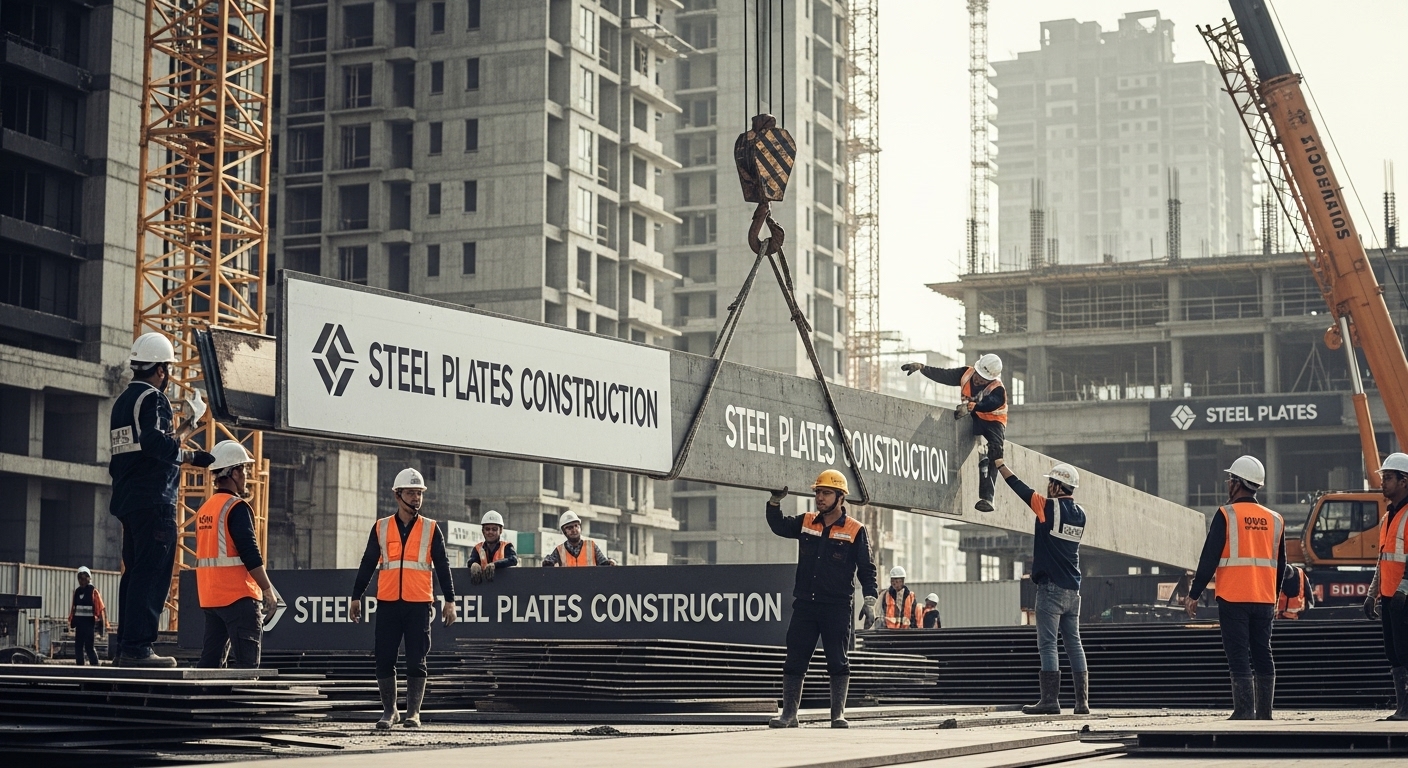
Steel plates shape everything from skyscrapers to mining rigs in South Africa. They may look like ordinary flat sheets, but their impact is massive. Over 50 percent of the country’s steel goes straight into construction projects. That sounds straightforward, right? Actually, the real story is hidden in the science behind their strength and the surprising ways they drive innovation far beyond the building site.
Table of Contents
- What Are Steel Plates And Their Key Properties?
- The Significance Of Steel Plates In Construction
- How Steel Plates Are Manufactured And Tested
- Common Applications Of Steel Plates In Various Industries
- Future Trends And Innovations In Steel Plate Usage
Quick Summary
| Takeaway | Explanation |
|---|---|
| Steel plates are vital for construction | They provide essential structural support and improve durability across various applications. |
| Select steel plates based on specific properties | Key factors include yield strength, tensile strength, and intended application for optimal performance. |
| Manufacturing incorporates rigorous quality control | Steel plates undergo strict testing to ensure they meet high performance and safety standards. |
| Emerging technologies enhance steel plate innovation | Advancements focus on sustainability, strength improvements, and integration of digital technologies in production. |
| Versatility spans multiple industries | Steel plates are used in infrastructure, manufacturing, aerospace, and renewable energy solutions. |
What Are Steel Plates and Their Key Properties?
Steel plates represent critical structural components used extensively in construction and manufacturing sectors. These flat, rectangular metal sheets are manufactured through precise rolling processes, offering remarkable strength and versatility across multiple industrial applications. Explore our comprehensive guide on steel plate manufacturing to gain deeper insights into their production.
Fundamental Characteristics of Steel Plates
Steel plates are characterised by their uniform thickness, exceptional durability, and ability to withstand significant mechanical stress. According to the South African Steel Construction Handbook, these plates demonstrate several critical mechanical properties that make them indispensable in construction:
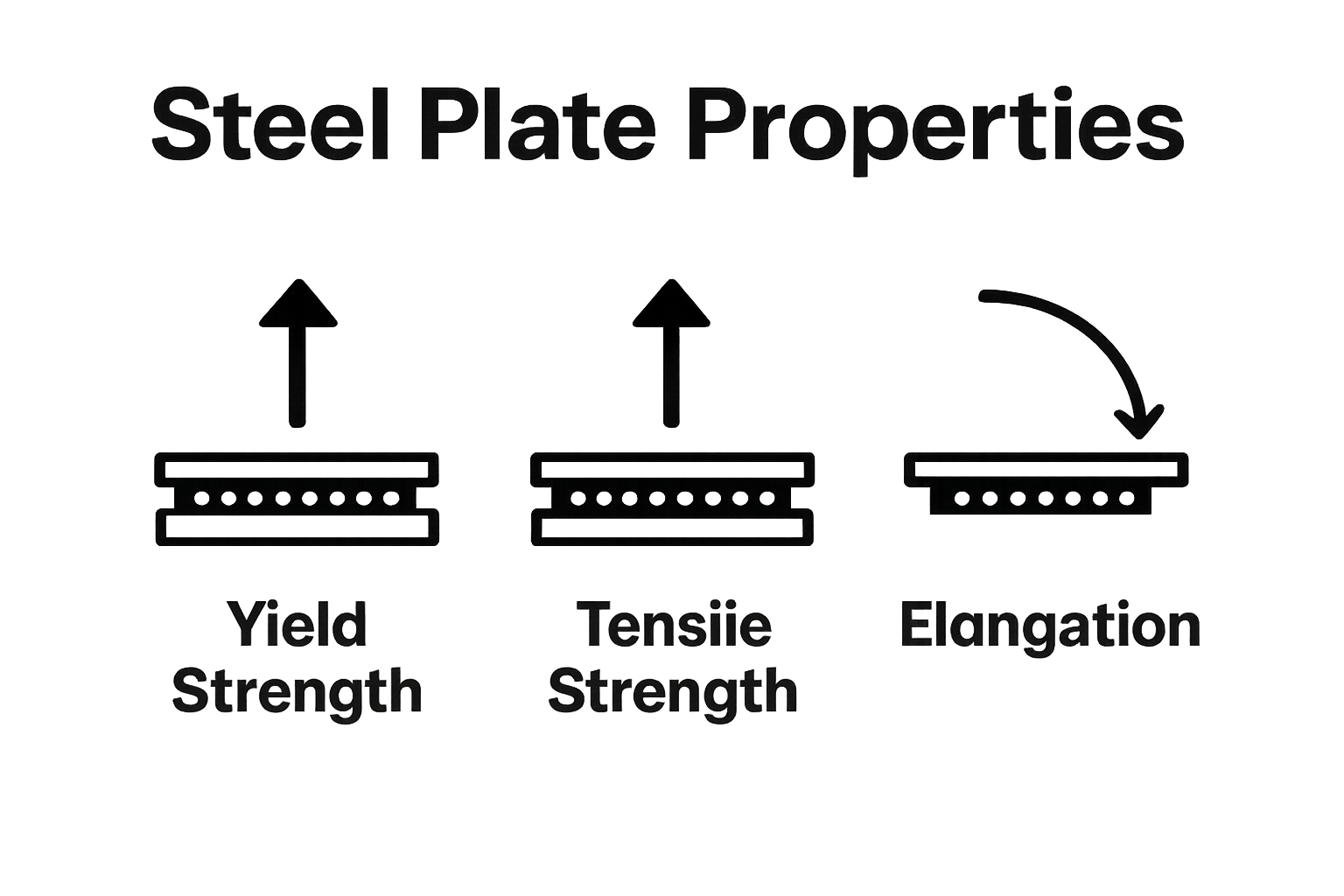
- Yield Strength: Indicates the stress at which steel begins to deform plastically
- Tensile Strength: Measures the maximum load a steel plate can bear before fracturing
- Elongation: Represents the plate’s capacity to stretch without breaking
Material Composition and Performance
The performance of steel plates depends significantly on their material composition. Different grades of steel plates are engineered to meet specific industrial requirements, with variations in carbon content, alloying elements, and manufacturing techniques. Specialized steel plates can be designed to resist corrosion, withstand extreme temperatures, or provide enhanced structural integrity.
Construction professionals and engineers carefully select steel plates based on precise specifications, considering factors such as load-bearing capacity, environmental conditions, and intended application.
The following table summarises the key mechanical properties of steel plates and explains their importance in construction projects across South Africa.
| Property | Description | Role in Construction |
|---|---|---|
| Yield Strength | Stress at which steel begins to deform plastically | Prevents structural deformation under load |
| Tensile Strength | Maximum load steel plate can bear before fracturing | Ensures safety and reliability of structures |
| Elongation | Capacity of plate to stretch without breaking | Allows flexibility and stress absorption |
| Thickness Uniformity | Consistency in plate thickness across structure | Essential for predictable performance |
| Material Consistency | Uniform quality throughout the steel plate | Prevents weak points and structural failures |
While steel plates might seem straightforward, their complexity lies in their ability to provide robust structural support across diverse engineering challenges. From building frameworks to industrial machinery components, these versatile materials continue to be fundamental in modern construction and manufacturing processes.
The Significance of Steel Plates in Construction
Steel plates play a pivotal role in modern construction, serving as fundamental components that enable structural integrity, durability, and innovative engineering solutions. Explore comprehensive details about steel plate load capacity to understand their critical importance in construction projects.
Structural Support and Load Distribution
In construction, steel plates function as essential elements that transfer and distribute loads across various structural systems. According to research from the University of Johannesburg, these plates significantly enhance structural performance by:
- Providing robust load-bearing capabilities
- Reinforcing concrete and other construction materials
- Enabling complex architectural and engineering designs
Engineering Applications and Versatility
The versatility of steel plates extends far beyond basic structural support. Construction professionals utilize these materials in numerous critical applications, including:
- Bridge construction and infrastructure development
- Industrial building frameworks
- Heavy machinery and equipment manufacturing
- Offshore and marine engineering structures
- Reinforcement of existing structural elements
Economic and Technological Impact
Steel plates represent more than just a construction material they are integral to economic development and technological advancement. Their ability to withstand extreme conditions, resist corrosion, and provide long-term durability makes them invaluable in modern engineering. The strategic selection of steel plates can significantly reduce maintenance costs, enhance structural longevity, and contribute to more sustainable construction practices.
By combining superior mechanical properties with adaptable manufacturing techniques, steel plates continue to drive innovation across multiple industrial sectors, demonstrating their indispensable role in contemporary construction and engineering solutions.
How Steel Plates Are Manufactured and Tested
Steel plate manufacturing represents a sophisticated process involving precision engineering and rigorous quality control mechanisms. Learn more about verifying steel quality to understand the intricate standards governing these critical materials.
Manufacturing Process
The production of steel plates begins with carefully selected raw materials, primarily iron ore and carbon. Through a complex metallurgical process, these materials undergo multiple transformative stages:
- Melting: Raw materials are heated in blast furnaces at extremely high temperatures
- Casting: Molten steel is formed into initial ingots or continuous cast slabs
- Rolling: Heated steel is progressively compressed and shaped into uniform plates
Quality Control and Testing Protocols
According to the National Advanced Manufacturing Technology Strategy, steel plate manufacturing demands stringent testing protocols to ensure structural integrity and performance. Comprehensive quality assessment involves multiple evaluation techniques, including:
- Non destructive testing methods like ultrasonic and magnetic particle inspection
- Mechanical property verification through tensile and impact strength tests
- Chemical composition analysis to confirm material specifications
Performance Verification and Certification
Manufacturers subject steel plates to extensive performance evaluations that simulate real world construction conditions. Critical assessment parameters include:
- Load bearing capacity
- Resistance to environmental stress
- Dimensional accuracy and consistency
- Compliance with international manufacturing standards
These meticulous manufacturing and testing processes guarantee that steel plates meet the highest engineering standards, providing reliable and durable solutions for complex construction and industrial applications.
This table provides a concise overview of the main steps involved in steel plate manufacturing and the corresponding quality control measures as described in the article.
| Manufacturing Stage | Description | Quality Control Methods |
|---|---|---|
| Melting | Raw materials heated at high temperatures | Material selection and chemistry analysis |
| Casting | Molten steel formed into ingots or slabs | Dimensional checks and composition tests |
| Rolling | Heated steel compressed into uniform plates | Thickness measurement and surface inspection |
| Mechanical Testing | Assessment of strength, ductility, and impact | Tensile and impact strength tests |
| Non-Destructive Testing | Inspection for internal defects | Ultrasonic and magnetic particle inspection |
| Chemical Analysis | Verification of alloy composition | Laboratory spectroscopy and certification |
Common Applications of Steel Plates in Various Industries
Steel plates form critical components across multiple industrial sectors, demonstrating remarkable versatility and performance capabilities. Learn about alternative steel frame building systems to understand their transformative potential in construction technologies.
Construction and Infrastructure Development
In construction, steel plates serve as fundamental structural elements, enabling complex architectural designs and robust infrastructure solutions. According to investment data from InvestSA, the construction sector consumes approximately 50% of South Africa’s steel production, highlighting their critical importance. Steel plates are utilized in:
- Bridge construction and support structures
- High rise building frameworks
- Industrial facility foundations
- Reinforcement of concrete and masonry systems
- Earthquake resistant building designs
Manufacturing and Heavy Industrial Applications
Steel plates play a pivotal role in manufacturing processes, providing essential components for heavy machinery, equipment, and specialized industrial systems. Their applications extend across diverse sectors such as:
- Mining equipment fabrication
- Marine vessel construction
- Offshore platform engineering
- Heavy transportation vehicle manufacturing
- Agricultural machinery production
Engineering and Specialized Technical Solutions
Beyond traditional applications, steel plates enable innovative engineering solutions that push technological boundaries. Their adaptability and superior mechanical properties make them indispensable in advanced technical domains, including:
- Aerospace component manufacturing
- Precision scientific instrument development
- Renewable energy infrastructure
- Advanced robotics and automation systems
- Telecommunications equipment construction
The extraordinary range of steel plate applications underscores their significance as a fundamental material driving technological progress and industrial innovation across multiple sectors.
Future Trends and Innovations in Steel Plate Usage
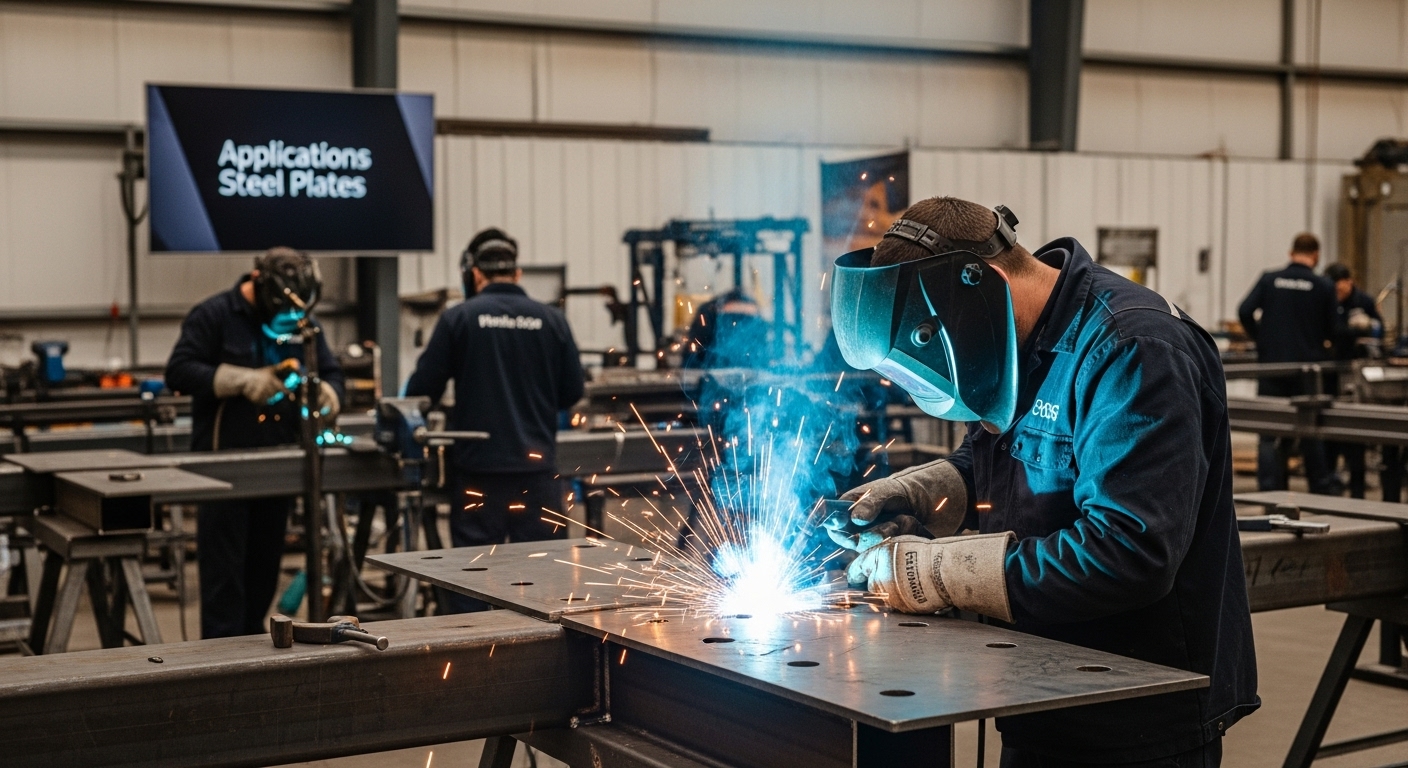
The steel plate industry is experiencing transformative technological advancements, driven by sustainability, efficiency, and performance improvements. Explore advanced welding techniques for steel plates to understand emerging manufacturing innovations.
Sustainable Manufacturing Approaches
According to research from the University of Pretoria, the steel industry is pivoting towards more environmentally responsible production methods. Green steel technologies aim to dramatically reduce carbon emissions, focusing on:
- Hydrogen based reduction processes
- Renewable energy powered manufacturing
- Carbon capture and storage technologies
- Circular economy recycling approaches
- Advanced energy efficient production techniques
Advanced Material Engineering
Innovative steel plate technologies are pushing the boundaries of material performance. Emerging developments include:
- Nano engineered steel plates with enhanced strength
- Self healing metal composites
- Smart materials with embedded sensor capabilities
- Corrosion resistant hybrid steel alloys
- Lightweight high performance steel plate variants
Technological Integration and Industry 4.0
Digital technologies are revolutionizing steel plate design and production, enabling unprecedented precision and customization. Emerging trends include:
- Artificial intelligence driven quality control
- Machine learning based predictive maintenance
- Advanced computational modeling for material design
- Real time performance monitoring systems
- Blockchain enabled traceability and verification
These innovations demonstrate the steel plate industry’s commitment to technological advancement, sustainability, and meeting increasingly complex industrial requirements.
Unlock the True Value of Quality Steel Plates for Your Next Project
Are you facing challenges with sourcing steel plates that match your project’s strength, durability, and precise requirements? Understanding steel plate properties is essential for achieving reliable load distribution and long-lasting structural support. Many professionals struggle to find a supplier who offers both quality variety and expert guidance across the full range of hot-rolled steel sheets and plates.
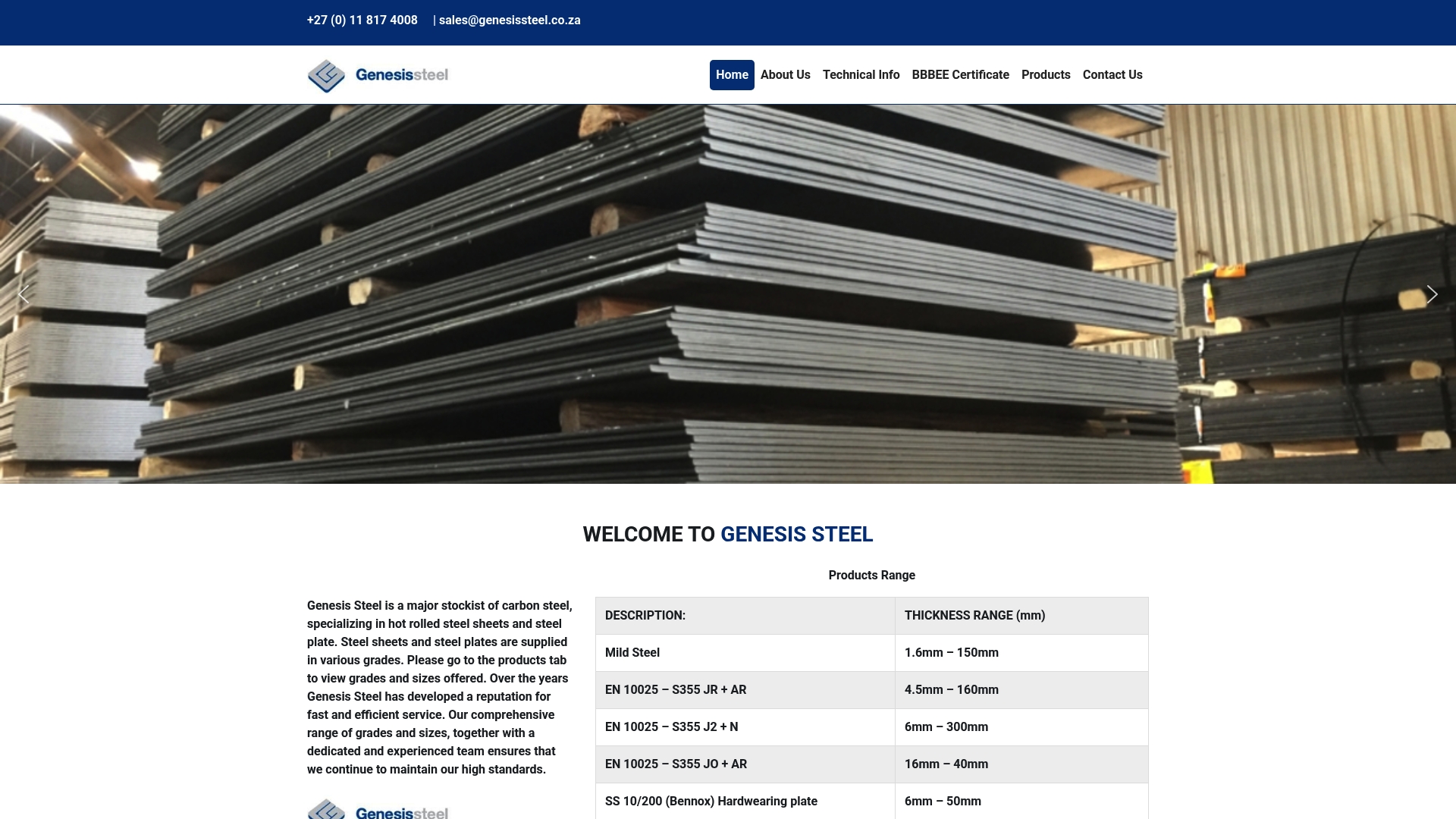
At Genesis Steel, our reputation for fast and efficient service, combined with our comprehensive stock and experienced team, ensures you get solutions tailored to your unique construction demands. Discover a selection of construction-ready steel plates and more in our Uncategorised Archives – Genesis Steel or head directly to Genesis Steel for expert support today. Don’t let the complexity of the market slow down your project—partner with a trusted source and get a quote now.
Frequently Asked Questions
What are steel plates and their key properties?
Steel plates are flat, rectangular metal sheets used in construction and manufacturing. They are characterized by uniform thickness, exceptional durability, yield strength, tensile strength, and elongation, making them essential for various industrial applications.
How are steel plates manufactured?
Steel plates are produced through a complex process that involves melting raw materials, casting molten steel into slabs, and rolling them into uniform plates. Quality control measures are strictly adhered to, including mechanical testing and chemical composition analysis.
What are the common applications of steel plates in construction?
Steel plates are used extensively in construction for bridge support, high-rise building frameworks, and reinforcement of concrete structures. They also serve critical roles in industrial facilities and earthquake-resistant designs.
How does the material composition of steel plates affect their performance?
The composition of steel plates, including variations in carbon content and alloying elements, significantly influences their performance. Different grades are engineered for specific purposes, offering resistance to corrosion, high temperatures, and mechanical stress.