

Every big project in Gauteng needs the right steel, and choosing between plate and sheet materials can decide the strength and cost of your build. Most people assume steel is just steel, but the difference can mean everything when it comes to performance. Steel plates start at 6mm thick and are built for major load-bearing jobs, while sheets are thinner and more flexible, perfect for lightweight designs and easier manufacturing. Picking the wrong one could mean wasted money or failed inspections, so knowing these small differences makes all the difference for local industry pros.
Table of Contents
- Key Differences Between Steel Plate And Sheet
- Applications In Gauteng’s Industrial And Construction Sectors
- How To Choose: Factors For B2B Buyers
- Sourcing Steel Plate And Sheet In Gauteng
Quick Summary
| Takeaway | Explanation |
|---|---|
| Understand the thickness differences | Steel plates are 1/4 inch (6mm) or thicker, offering superior strength, while sheets are thinner, providing more flexibility. |
| Select based on specific applications | Use plates for heavy loads and structural construction, and sheets for light, formed products in manufacturing. |
| Consider sustainability in sourcing | Evaluate suppliers based on their environmental practices, including carbon footprint and recyclability, to align with modern standards. |
| Conduct total cost of ownership analysis | Look beyond initial costs to factor in durability, maintenance, and overall project lifecycle to ensure long-term value. |
| Implement risk mitigation strategies | Diversify suppliers and develop contingency plans to maintain supply chain resilience in Gauteng’s competitive environment. |
Key Differences Between Steel Plate and Sheet
Understanding the nuanced differences between steel plates and sheets is crucial for industrial professionals in Gauteng seeking optimal material solutions. While these steel products might appear similar at first glance, their distinctive characteristics significantly impact material performance and application suitability.
To help clarify the key characteristics and distinctions, the table below compares steel plate and sheet across several important aspects relevant to Gauteng industries:
| Feature | Steel Plate | Steel Sheet |
|---|---|---|
| Typical Thickness | 6mm (1/4 inch) or more | Thinner than 6mm |
| Strength & Load-Bearing | High, suitable for heavy loads | Lower, for lighter applications |
| Flexibility/Formability | Low, less formable | High, easily formed |
| Common Production Method | Hot rolling | Cold rolling (for precision) |
| Key Applications | Construction, mining equipment | Automotive, cladding, HVAC |
| Weight | Heavier | Lighter |
| Example Uses | Structural frameworks, machinery | Roofing, cladding, components |
Thickness and Structural Characteristics
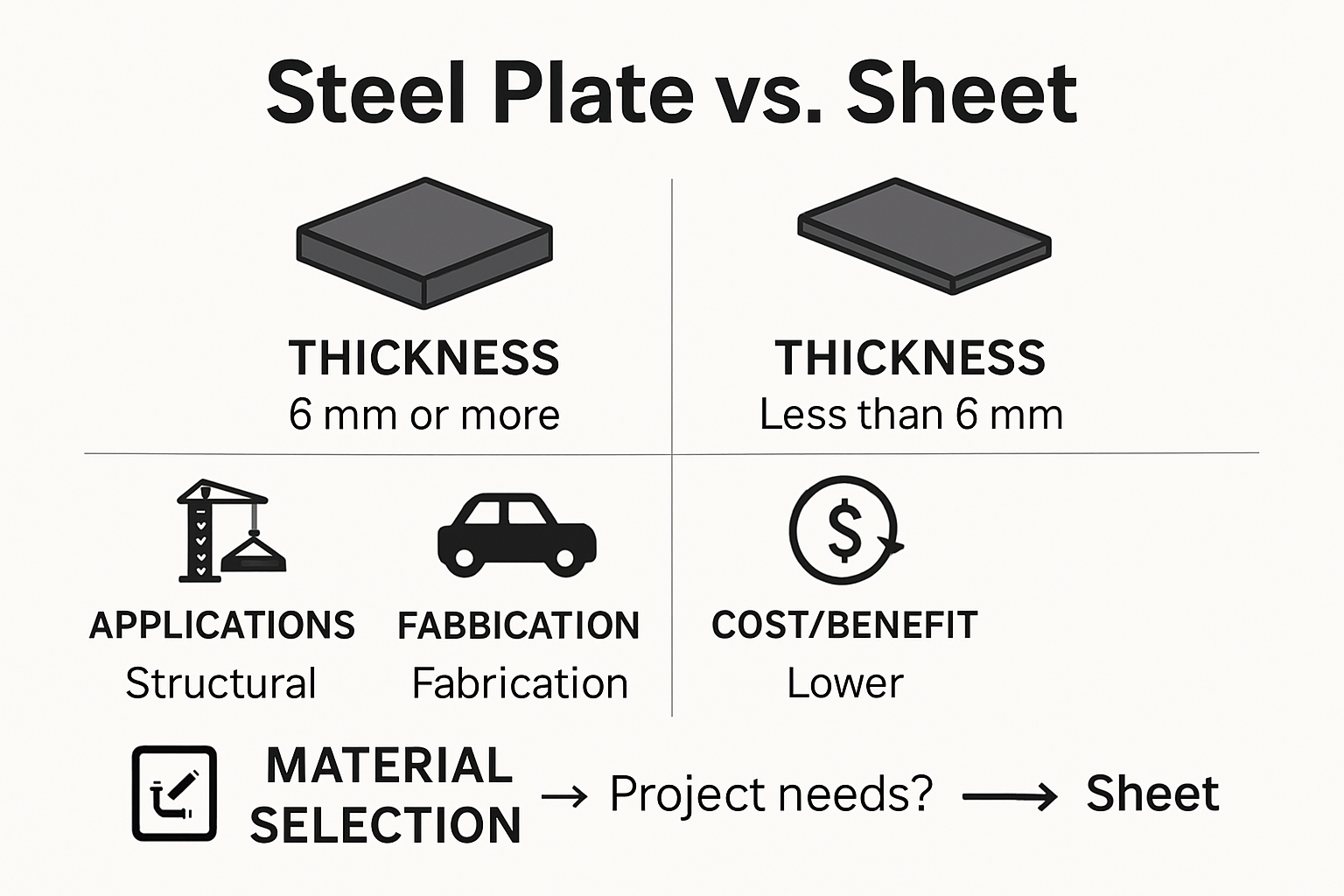
The primary distinguishing factor between steel plates and sheets lies in their thickness. According to Metal Supermarkets, metal with a thickness of 1/4 inch (6mm) or more is classified as a plate, while thinner material is considered a sheet. This fundamental difference dramatically influences their mechanical properties and potential industrial applications.
Steel plates typically demonstrate superior structural integrity and load-bearing capabilities. Their increased thickness allows for greater strength and resistance to deformation, making them ideal for heavy-duty engineering projects, structural construction, and industrial machinery components. In contrast, steel sheets offer more flexibility and are better suited for applications requiring lightweight, easily formed materials.
Manufacturing and Processing Techniques
The production processes for steel plates and sheets differ significantly, which impacts their final characteristics. BCcampus educational resources highlight that both plates and sheets undergo rolling processes, but with distinct approaches.
Hot rolling and cold rolling techniques produce varying material properties. Plates are often hot-rolled, which involves processing steel at high temperatures, resulting in enhanced structural strength and more consistent internal grain structure. Steel sheets, particularly those used in precision manufacturing, might undergo cold rolling, a process that provides tighter dimensional tolerances and smoother surface finishes.
Application Specifics in Gauteng Industries
In the context of Gauteng’s diverse industrial landscape, selecting between steel plates and sheets depends on specific project requirements. Plates excel in heavy industrial sectors like mining equipment fabrication, large-scale construction projects, and robust engineering applications. Sheets find extensive use in automotive manufacturing, HVAC systems, architectural cladding, and precision engineering where weight reduction and formability are critical.
For those seeking more comprehensive insights into steel plate varieties, explore our detailed guide on steel plate types tailored specifically for Gauteng industries. Understanding these key differences ensures professionals can make informed material selection decisions that optimize performance, cost-effectiveness, and structural integrity.
Applications in Gauteng’s Industrial and Construction Sectors
In the dynamic industrial landscape of Gauteng, steel plates and sheets play pivotal roles across multiple sectors, serving as fundamental materials that drive infrastructure development, manufacturing, and engineering excellence. Understanding their specialized applications helps professionals make strategic material selection decisions.
Structural Engineering and Construction Projects
Steel Construction Information highlights that modern plate girders fabricated by welding flanges and web plates are critical in long-span construction. In Gauteng’s robust construction sector, steel plates and sheets are indispensable for creating resilient structures. According to Tata Nexarc Research, these materials provide exceptional stability, load-bearing capacity, and seismic resistance in skyscrapers, bridges, and large industrial complexes.
Steel plates offer superior strength for foundational frameworks, while sheets excel in roofing and cladding applications. Their versatility allows engineers to design lightweight yet structurally sound buildings that withstand Gauteng’s challenging environmental conditions. The ability to customize thickness and dimensions makes these materials adaptable to complex architectural requirements.
Manufacturing and Industrial Equipment Fabrication
In Gauteng’s diverse manufacturing landscape, steel plates and sheets serve critical functions across various industries. For comprehensive insights into specialized steel grades, understanding material properties becomes essential. Mining equipment, heavy machinery, and industrial plant components frequently rely on steel plates for their exceptional durability and load-bearing capabilities.
Manufacturers utilize steel sheets for precision engineering, automotive components, and intricate machinery parts. Their formability and lightweight nature enable complex design implementations. From HVAC systems to specialized industrial equipment, these materials provide the structural integrity required in high-performance manufacturing environments.
Infrastructure and Heavy Industrial Applications
Gauteng’s infrastructure development demands materials that can withstand extreme conditions. Industrial Building Construction Research demonstrates that steel plates are crucial for flooring, roofing, and reinforcing walls in industrial facilities. Their capacity to distribute forces evenly makes them ideal for heavy-load applications.
In sectors like mining, transportation, and energy, steel plates and sheets are instrumental in creating robust infrastructure. They are used in pipeline construction, storage tanks, transportation equipment, and large-scale industrial installations. The material’s resistance to corrosion, high-temperature performance, and structural reliability make them indispensable in Gauteng’s challenging industrial environments.
Professionals across Gauteng’s industrial sectors must carefully evaluate project requirements, understanding that the choice between steel plates and sheets can significantly impact structural performance, cost-effectiveness, and long-term durability.
How to Choose: Factors for B2B Buyers
Selecting the right steel plate or sheet is a critical decision for B2B buyers in Gauteng’s competitive industrial landscape. The choice impacts not just immediate project requirements but long-term performance, cost-effectiveness, and operational efficiency.
Technical Specifications and Performance Criteria
Steel Construction Information emphasizes the paramount importance of precise material specification. B2B buyers must carefully evaluate several key technical parameters when selecting steel plates or sheets.
Critical technical considerations include tensile strength, yield strength, elongation percentage, and impact resistance. These characteristics determine the material’s performance under different loading conditions, environmental stress, and operational demands. For instance, high-stress applications in mining or heavy manufacturing require steel with superior yield strength and fatigue resistance.
Mechanical properties vary significantly between steel plates and sheets. Plates typically offer higher load-bearing capacities, while sheets provide greater formability. Understanding these nuanced differences allows procurement professionals to match material properties precisely with project specifications.
Sustainability and Ethical Sourcing Considerations
Modern B2B procurement extends beyond traditional performance metrics. FOB Steel’s sourcing guide highlights the growing significance of sustainability and ethical sourcing in material selection. Gauteng’s industrial buyers increasingly prioritize suppliers demonstrating environmental responsibility and adherence to international standards.
Key sustainability factors include:
- Carbon footprint of steel production
- Recyclability of materials
- Certifications like ISO 14001
- Responsible manufacturing practices
Companies seeking comprehensive insights into specialized steel grades can explore detailed performance characteristics that align with environmental and operational requirements.
Cost-Effectiveness and Long-Term Value Analysis
Hy-Proto’s fabrication guide underscores that true cost-effectiveness transcends initial purchase price. B2B buyers must conduct comprehensive total cost of ownership (TCO) analyses that consider material performance, maintenance requirements, and potential operational improvements.
Factors influencing long-term value include:
- Initial material cost
- Fabrication and processing expenses
- Maintenance and replacement intervals
- Performance durability
- Potential productivity gains
Procurement strategies should balance immediate budget constraints with future operational efficiency. This holistic approach ensures that material selection delivers optimal value across the entire project lifecycle, not just at the point of purchase.

Successful B2B buyers in Gauteng’s industrial sectors recognize that selecting steel plates or sheets is a strategic decision requiring thorough technical evaluation, sustainability considerations, and comprehensive economic analysis. By adopting a multifaceted approach, companies can optimize their material procurement and drive long-term operational excellence.
Sourcing Steel Plate and Sheet in Gauteng
Sourcing steel plates and sheets in Gauteng demands strategic planning, deep market understanding, and rigorous supplier evaluation. Industrial buyers must navigate a complex landscape of procurement challenges and opportunities to secure high-quality materials that meet precise technical specifications.
The following table provides a summary of key procurement and sourcing considerations for steel plate and sheet in Gauteng, helping buyers focus on what matters most:
| Sourcing/Procurement Factor | Description |
|---|---|
| Supplier Reliability | Consistency in quality and on-time delivery |
| Inventory Management | Supplier’s ability to maintain adequate stock |
| Technical Support | Access to product expertise and consultations |
| Quality Assurance | Material testing, certifications, and traceability |
| Risk Mitigation | Diversified sources and contingency planning |
| Sustainability | Environmental practices, recyclability, certifications |
Local Supply Chain Dynamics
Procurement Market Research reveals significant challenges in the steel plate and sheet market, including price volatility, logistical complexities, and supply reliability issues. Gauteng’s industrial buyers must develop sophisticated sourcing strategies that account for these dynamic market conditions.
Key considerations in local supply chain management include:
- Supplier reliability and consistent material quality
- Inventory management capabilities
- Technical support and product expertise
- Delivery turnaround times
- Flexibility in custom order fulfillment
Local suppliers with comprehensive insights into steel plate varieties can provide critical value beyond simple material procurement, offering technical consultation and specialized product recommendations.
Quality Assurance and Procurement Strategies
Spend Edge Procurement Analysis highlights critical challenges in sourcing steel materials, emphasizing the need to balance cost reduction with quality, lead times, and reliability. Successful procurement requires a multifaceted approach that goes beyond simple price comparisons.
Effective quality assurance strategies include:
- Comprehensive material testing
- Certification verification
- Regular supplier performance audits
- Technical specification alignment
- Traceability documentation
Industrial buyers must develop robust evaluation frameworks that assess suppliers across multiple dimensions, ensuring materials meet stringent performance and reliability standards.
Risk Mitigation and Strategic Sourcing
Navigating Gauteng’s steel procurement landscape requires sophisticated risk management techniques. Successful strategies involve diversifying supplier networks, maintaining flexible procurement protocols, and developing long-term collaborative relationships with reliable material providers.
Risk mitigation approaches should focus on:
- Market intelligence gathering
- Contingency supply arrangements
- Technological capability assessments
- Financial stability evaluations
- Compliance and ethical sourcing verification
By implementing comprehensive sourcing strategies, Gauteng’s industrial buyers can effectively manage procurement challenges, secure high-quality steel plates and sheets, and maintain competitive advantage in demanding industrial environments. Strategic sourcing is not just about acquiring materials but building resilient, adaptable supply chains that support ongoing operational excellence.
Frequently Asked Questions
What is the main difference between steel plates and sheets?
Steel plates are typically 6mm (1/4 inch) thick or more, offering higher strength and load-bearing capabilities, while steel sheets are thinner, providing more flexibility and formability suitable for lighter applications.
When should I choose steel plates over sheets for my project?
Choose steel plates for heavy-duty applications requiring structural strength, such as construction and mining equipment. Steel sheets are better suited for applications where weight reduction and flexibility are essential, like automotive parts and cladding.
What manufacturing techniques are used for steel plates and sheets?
Steel plates are usually produced through hot rolling, which enhances their strength, while steel sheets may undergo cold rolling, allowing for tighter dimensional tolerances and smoother surfaces, making them ideal for precision applications.
How can sustainability influence my choice between steel plates and sheets?
Choosing sustainable steel sources can impact carbon footprint and recyclability. It’s essential to evaluate suppliers based on their environmental practices and certifications to align with contemporary sustainability standards.
Get the Perfect Steel Plate or Sheet Solution for Your Gauteng Project
Choosing between steel plate and sheet is a critical decision for every serious industry professional in Gauteng. If your project demands precise strength, strict technical specifications, or must pass tough inspections, you cannot afford the risk of the wrong call. With so much riding on thickness, grade, and quality, you want a supplier who understands the unique pressures of local industry and the difference the right material makes.
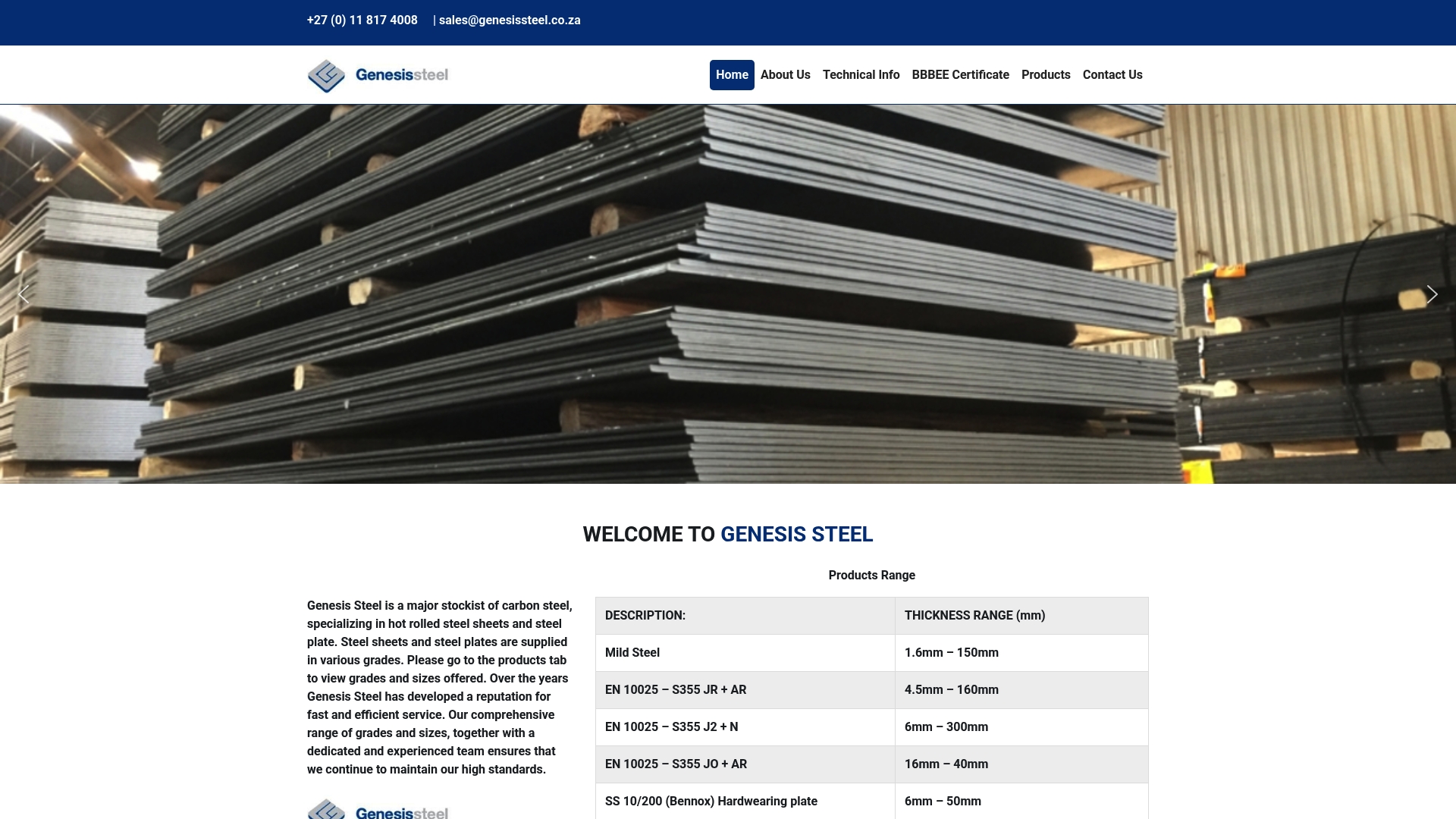
Trust the dedicated experts at Genesis Steel to guide you to the right choice every time. We offer a wide range of hot-rolled steel plates and sheets, quick turnaround times, and real advice from a team that puts your project goals first. Explore our Uncategorised Archives – Genesis Steel for more insights or contact us now for fast, reliable supply directly from our state-of-the-art facility in Brakpan. Make the call that protects your investment and keeps your work running smoothly. Visit Genesis Steel’s home page today to get started.