
Steel corrosion sneaks up on even the toughest structures, turning valuable assets to dust before you know it. Shocking fact: corrosion can cause up to 95.92% loss in steel protection efficiency if left unmanaged. Many assume a fresh coat of paint or a once-off inspection will keep rust at bay, but without a targeted, data-driven approach, your steel could be at risk before problems even show on the surface.
Table of Contents
- Step 1: Assess Your Current Inventory And Conditions
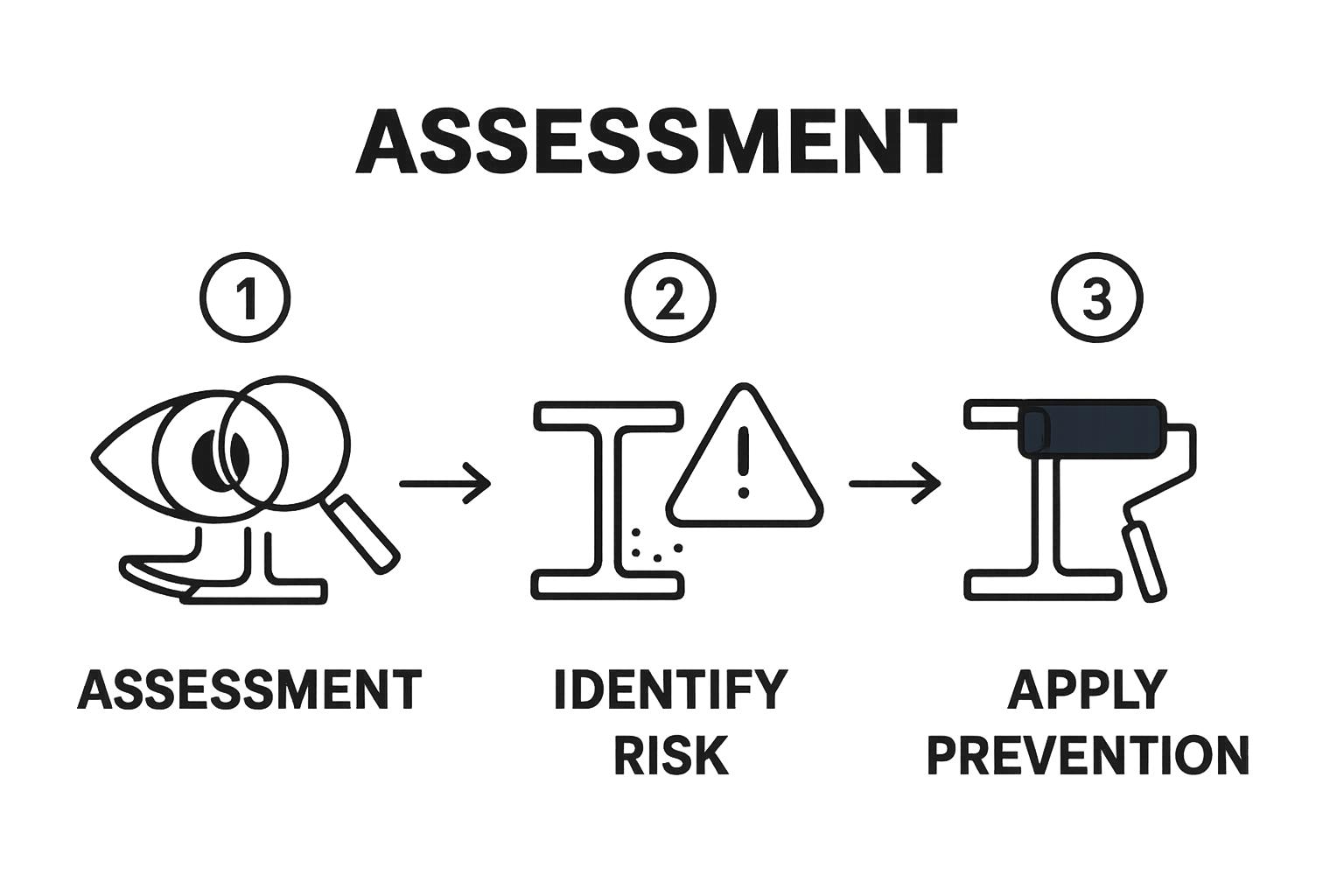
- Step 2: Identify Corrosion Risk Factors And Sources
- Step 3: Select Appropriate Corrosion Prevention Techniques
- Step 4: Implement Steel Corrosion Prevention Strategies
- Step 5: Monitor And Maintain Your Corrosion Prevention Measures
- Step 6: Evaluate Effectiveness And Make Adjustments
Quick Summary
| Key Point | Explanation |
|---|---|
| 1. Conduct Comprehensive Assessments | Systematically inspect steel components for signs of corrosion to understand current vulnerabilities and conditions. |
| 2. Identify Environmental Risk Factors | Map out atmospheric conditions and classify exposure levels for accurate risk assessment and targeted prevention strategies. |
| 3. Utilize Effective Prevention Techniques | Choose suitable corrosion prevention methods such as metallic coatings and chemical inhibitors based on environmental challenges. |
| 4. Implement Proactive Maintenance Protocols | Establish regular monitoring and maintenance schedules to ensure ongoing protection against corrosion. |
| 5. Regularly Evaluate and Adapt Strategies | Analyze performance data to refine prevention techniques, ensuring effective long-term protection for steel assets. |
Step 1: Assess Your Current Inventory and Conditions
Addressing steel corrosion begins with a comprehensive assessment of your current inventory and environmental conditions. This critical first step allows you to understand the specific vulnerabilities in your steel structures and develop a targeted prevention strategy.
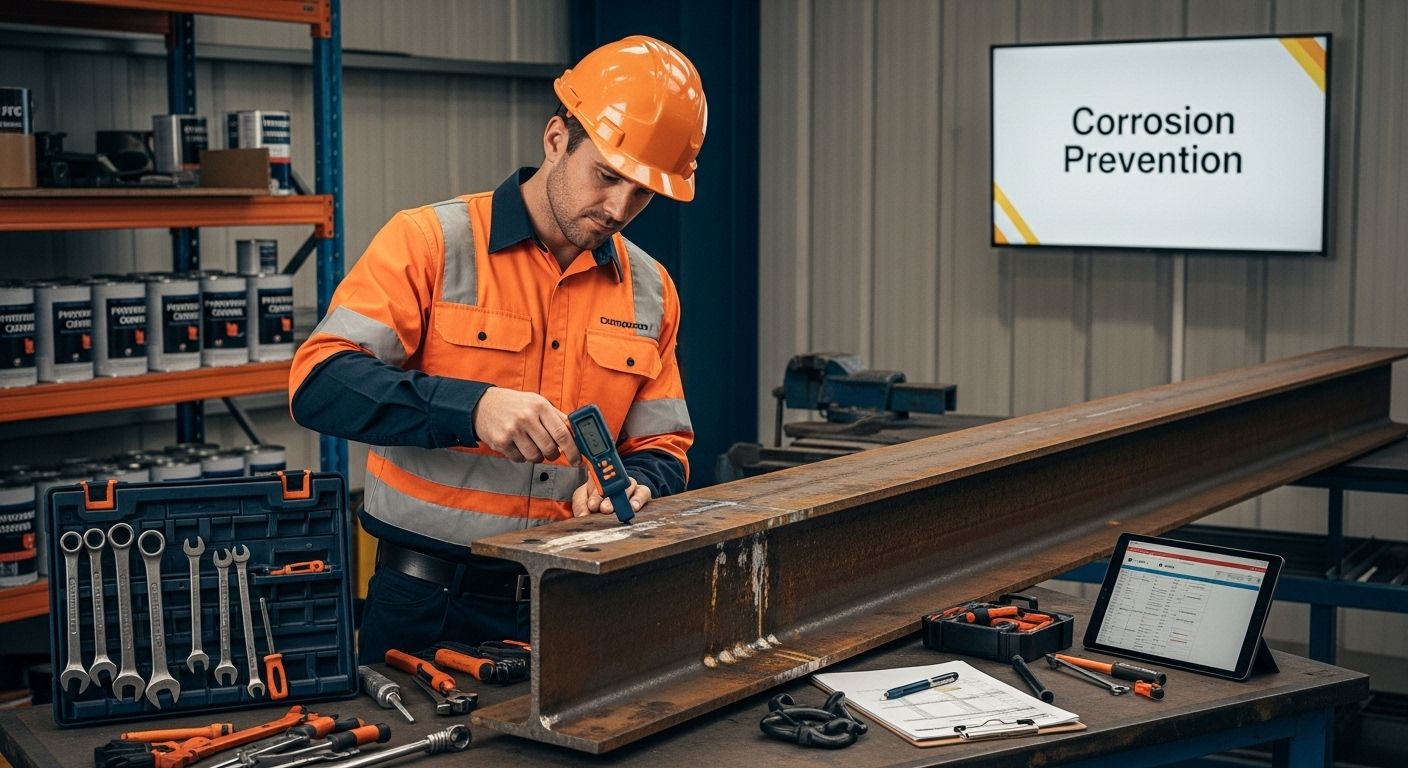
Starting your assessment requires a systematic visual and technical inspection of all steel components. Walk through your facility or project site and examine each steel element meticulously. Look for early warning signs of corrosion such as rust discoloration, surface pitting, paint bubbling, or visible flaking. These indicators reveal how environmental factors are already impacting your steel inventory.
Utilize professional inspection tools to enhance your evaluation. A digital corrosion measurement device can help quantify corrosion progression more precisely than visual inspection alone. According to the Corrosion Institute of Southern Africa, professional tools can detect microscopic changes that signal potential long-term structural risks.
Document your findings comprehensively. Create a detailed inventory spreadsheet that captures critical information for each steel component:
- Location of the steel structure
- Current corrosion status
- Age of the component
- Environmental exposure conditions
- Previous maintenance history
Consider environmental factors that accelerate corrosion. High humidity, salt exposure, industrial chemicals, and temperature fluctuations dramatically impact steel degradation rates. Measure and record these parameters for each steel asset to understand their unique vulnerability profile.
Successful assessment means you have a clear, data-driven understanding of your steel inventory’s current condition. Your documentation should provide a baseline for developing targeted corrosion prevention strategies in subsequent steps. A thorough initial assessment is your first line of defense against progressive steel deterioration.
Step 2: Identify Corrosion Risk Factors and Sources
Identifying corrosion risk factors requires a strategic and comprehensive approach that goes beyond simple visual inspection. Understanding the complex interactions between steel and its environment forms the foundation of effective corrosion prevention.
Begin by mapping out the atmospheric conditions surrounding your steel components. According to research from the South African Journal of Science, geographical location plays a significant role in corrosion rates. Coastal regions, industrial zones, and areas with high pollution levels present more aggressive corrosive environments compared to inland, less industrialized locations.
Classify your steel assets based on their environmental exposure. Industrial settings with chemical pollutants, marine environments with salt-laden air, and areas with high humidity create different corrosion challenges. Temperature fluctuations, moisture levels, and chemical interactions are critical factors that accelerate steel degradation.
Conduct a detailed chemical and environmental analysis of your specific location. Collect data on:
- Ambient temperature range
- Relative humidity levels
- Proximity to industrial emissions
- Salt concentration in the air
- Frequency of rainfall
- Presence of chemical pollutants
Evaluate the physical characteristics of your steel structures that might increase corrosion vulnerability. Surfaces with existing damage, irregular geometries, or areas prone to moisture accumulation require special attention. Microscopic surface imperfections can become initiation points for accelerated corrosion.
Pay close attention to design elements that might trap moisture or create conditions conducive to corrosion. Joints, crevices, and areas with poor drainage become potential breeding grounds for corrosive processes. Your goal is to create a comprehensive risk profile that highlights every potential source of steel degradation.
A successful risk identification process provides a clear roadmap for targeted corrosion prevention strategies. By understanding the specific risk factors affecting your steel assets, you can develop precise interventions that protect your infrastructure from progressive deterioration.
Step 3: Select Appropriate Corrosion Prevention Techniques
Selecting the right corrosion prevention techniques requires a nuanced understanding of your specific steel assets and their environmental challenges. Your previous risk assessment provides the foundation for choosing targeted protection strategies that will effectively safeguard your infrastructure.
Metallic coatings represent a primary defense mechanism against corrosion. Galvanization offers exceptional protection by applying a zinc layer that sacrificially corrodes before the underlying steel. Hot-dip galvanization provides superior coverage, creating a robust barrier against environmental degradation. If you want to explore advanced steel protection methods, understanding coating techniques becomes crucial.
Chemical inhibitors present another sophisticated approach to corrosion prevention. These specialized compounds interrupt the electrochemical processes that cause metal deterioration. According to research from the University of Johannesburg, innovative inhibitors derived from agricultural waste can achieve up to 95.92% corrosion protection efficiency.
Consider these critical corrosion prevention techniques:
- Protective paint systems with epoxy or polyurethane coatings
- Cathodic protection using impressed current or sacrificial anodes
- Specialized polymer coatings for extreme environmental conditions
- Corrosion-resistant alloy selection during initial material specification
Your selection process should balance immediate protection requirements with long-term economic considerations. More expensive techniques might offer extended protection, reducing maintenance and replacement costs over time. Evaluate each technique’s compatibility with your specific steel components, considering factors like temperature range, chemical exposure, and mechanical stress.
Below is a summary table comparing key corrosion prevention techniques with their main advantages and suitable applications.
| Technique | Main Advantage | Suitable Application |
|---|---|---|
| Galvanization (Zinc Coating) | Sacrificial protection, durable barrier | Outdoor steel exposed to weather and moisture |
| Protective Paint Systems | Versatile coverage, aesthetic improvement | Indoor and structural steel, varied conditions |
| Chemical Inhibitors | Disrupts corrosion process at molecular level | Enclosed environments, pipelines, complex geometry |
| Cathodic Protection | Prevents electrochemical reactions | Underground or submerged steel infrastructure |
| Polymer Coatings | Resistant to extreme environments | Industrial settings, chemical exposure |
| Corrosion-Resistant Alloys | Enhanced material longevity | Initial material selection, critical structures |
Successful technique selection means creating a comprehensive protection strategy that addresses multiple potential corrosion pathways. By combining different prevention methods and regularly monitoring their effectiveness, you can develop a robust defense against steel degradation.
Step 4: Implement Steel Corrosion Prevention Strategies
Implementing corrosion prevention strategies transforms your theoretical knowledge into practical protection. This critical step bridges the gap between understanding potential risks and actively safeguarding your steel infrastructure.
Begin by preparing your steel surfaces meticulously. Surface preparation is the foundation of successful corrosion prevention. Remove all existing rust, scale, and contaminants using industrial-grade abrasive blasting or chemical cleaning methods. These techniques create a clean, uniform surface that allows protective coatings to adhere effectively. If you want to understand more about steel quality and preparation, proper surface treatment is paramount.
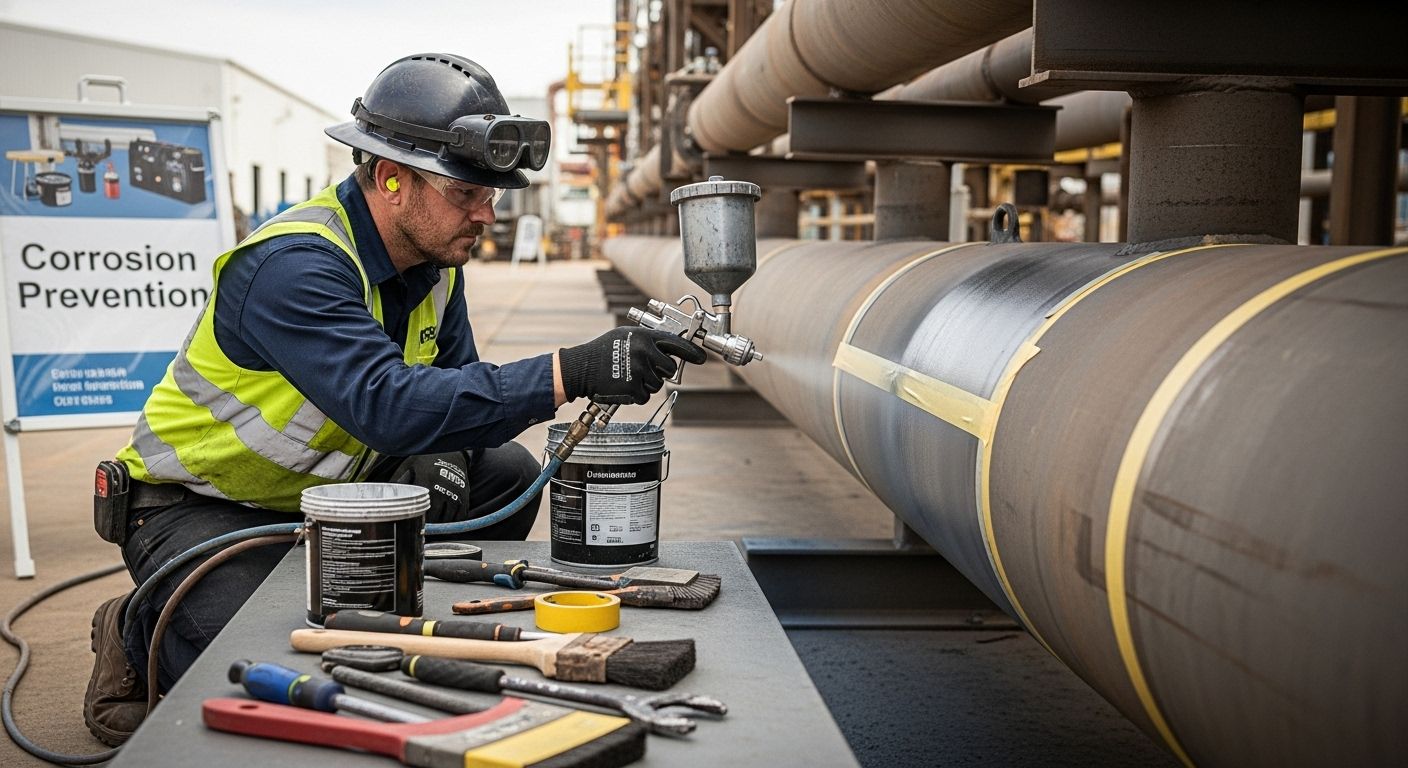
According to the Corrosion Institute of Southern Africa, professional implementation requires systematic application of your chosen corrosion prevention techniques. Apply protective coatings using specialized equipment that ensures uniform coverage. Spray techniques, electrostatic application, and dip coating methods each offer unique advantages depending on your specific steel components.
Prepare your implementation toolkit with these essential items:
- High-quality industrial spray equipment
- Protective personal equipment
- Precision measurement tools
- Environmental control instruments
- Surface preparation materials
Consider the environmental conditions during application. Temperature, humidity, and air quality dramatically impact coating effectiveness. Most industrial coatings require specific application parameters. Maintain precise environmental controls to guarantee optimal adhesion and long-term protection.
Document each stage of your implementation process. Record surface preparation techniques, coating application methods, environmental conditions, and material specifications. This documentation serves as a critical reference for future maintenance and provides a comprehensive record of your corrosion prevention strategy.
Successful implementation means creating a robust, multi-layered defense against steel corrosion. By meticulously applying your chosen techniques and maintaining detailed documentation, you establish a proactive approach to protecting your valuable steel assets.
Step 5: Monitor and Maintain Your Corrosion Prevention Measures
Monitoring and maintaining your corrosion prevention strategies is a continuous process that ensures the long-term protection of your steel infrastructure. This critical step transforms your initial prevention efforts into a sustainable, proactive management approach.
Establish a systematic inspection schedule that goes beyond superficial observations. Regular monitoring allows you to detect early signs of corrosion and address potential issues before they escalate. If you want to understand more about steel quality assessment, developing a comprehensive inspection protocol is crucial.
According to the Corrosion Institute of Southern Africa, professional monitoring requires a multi-dimensional approach. Utilize both visual and technological inspection methods to capture a complete picture of your steel assets’ condition. Advanced tools like ultrasonic thickness gauges, electromagnetic scanners, and digital microscopes provide precise measurements of corrosion progression.
Prepare a comprehensive monitoring toolkit with these essential components:
- Digital corrosion measurement devices
- High-resolution imaging equipment
- Portable environmental sensors
- Detailed inspection checklists
- Comprehensive documentation templates
Implement a data-driven maintenance strategy that responds to your inspection findings. Create a dynamic database tracking corrosion indicators, environmental conditions, and protective coating performance. This approach allows you to identify patterns, predict potential failure points, and adjust your prevention strategies in real-time.
Use this table to review key tools and materials essential for professional steel corrosion prevention implementation and monitoring.
| Item | Purpose | Notes |
|---|---|---|
| Industrial Spray Equipment | Applying protective coatings evenly | Ensures consistent, high-quality finish |
| Surface Preparation Materials | Removes rust, scale, and contaminants | Includes abrasive blasting, chemical cleaners |
| Protective Personal Equipment | Worker safety during application | Should include gloves, respirators, eye protection |
| Precision Measurement Tools | Quantifies corrosion progression and coating thickness | Digital gauges, ultrasonic sensors |
| Environmental Control Instruments | Monitors temperature and humidity | Essential for optimal coating adhesion |
| High-Resolution Imaging Equipment | Visual inspections and documentation | Useful for detailed assessment and reporting |
| Detailed Inspection Checklists | Standardises inspection process | Ensures all components and stages are checked |
Consider environmental factors that might accelerate corrosion between inspection cycles. Sudden changes in humidity, temperature, or chemical exposure can rapidly degrade protective measures. Develop a flexible maintenance protocol that allows for immediate intervention when unexpected conditions arise.
Successful monitoring means creating a living, adaptive system that continuously protects your steel infrastructure. By combining technological tools, systematic inspections, and responsive maintenance, you transform corrosion prevention from a one-time effort into an ongoing, proactive management strategy.
Step 6: Evaluate Effectiveness and Make Adjustments
Evaluating the effectiveness of your corrosion prevention strategies represents the culmination of your comprehensive protection approach. This critical step transforms accumulated data and observations into actionable insights that refine and optimize your steel protection measures.
Performance analysis requires a systematic and objective examination of your implemented corrosion prevention techniques. Compile all monitoring data, inspection reports, and environmental recordings to create a comprehensive performance profile. According to research from the University of Johannesburg, understanding residual corrosion rates under various conditions is fundamental to assessing protection strategy effectiveness.
Develop a quantitative evaluation framework that measures multiple performance indicators. Look beyond surface-level observations and analyze:
- Coating degradation rates
- Corrosion progression measurements
- Economic impact of prevention strategies
- Material integrity assessment
- Environmental interaction effects
Identify specific areas where your current corrosion prevention approach demonstrates strengths or reveals vulnerabilities. Some protective measures might excel in certain environmental conditions while showing limitations in others. This nuanced understanding allows for targeted, precise adjustments.
Statistical analysis plays a crucial role in performance evaluation. Use advanced data visualization tools to track corrosion indicators over time. Look for trends, anomalies, and potential early warning signs that might indicate emerging risks or successful prevention strategies.
Prepare a comprehensive adjustment strategy based on your evaluation findings. This might involve modifying coating techniques, adjusting chemical inhibitor concentrations, or redesigning protective infrastructure. The goal is continuous improvement, transforming your corrosion prevention approach from a static solution to a dynamic, responsive system.
Successful evaluation means creating a feedback loop that constantly refines your steel protection strategies. By systematically analyzing performance data and implementing targeted adjustments, you ensure long-term protection and optimal asset preservation.
Stop Steel Corrosion in Its Tracks with Genesis Steel Solutions
Tired of facing the constant threat of rust, flaking, and costly maintenance for your steel structures? The article ‘Master Effective Steel Corrosion Prevention in 2025’ highlights the difficult reality many face: unchecked corrosion leads to expensive repairs and safety concerns. Key pain points such as rust discoloration, environmental exposure, and the need for reliable corrosion prevention techniques all point to one clear solution — quality steel and expert support. Take the guesswork out of steel protection and ensure your assets last with our superior range of hot-rolled steel sheets and plates. Discover more about our comprehensive offerings in the Uncategorised Archives – Genesis Steel for tailored insights on steel inventory management and protection.
Ready to secure your next project with steel that stands up to South Africa’s toughest conditions? Choose Genesis Steel for trusted grades, fast service, and industry-leading expertise. Visit our site now and experience the difference that comes from working with a partner who truly understands effective corrosion prevention. Your infrastructure deserves long-term protection – let us help you build it.
Frequently Asked Questions
What are the common signs of steel corrosion?
Common signs of steel corrosion include rust discoloration, surface pitting, paint bubbling, and visible flaking. These early warning signs indicate that environmental factors are impacting the steel structure.
How can I assess corrosion risk in my steel infrastructure?
To assess corrosion risk, conduct a thorough visual and technical inspection of all steel components. Document environmental exposure conditions such as humidity, salt presence, and any chemical pollutants, as these factors significantly influence corrosion rates.
What are effective techniques for preventing steel corrosion?
Effective techniques for preventing steel corrosion include applying metallic coatings like galvanization, using chemical inhibitors, and selecting protective paint systems. Additionally, employing cathodic protection methods and specialized polymer coatings can enhance durability in extreme environments.
How often should I monitor my steel corrosion prevention measures?
Regular monitoring should follow a systematic inspection schedule. It’s advisable to conduct inspections frequently, ideally quarterly or biannually, depending on environmental conditions and the vulnerability of the steel components. Regular audits allow for early detection of corrosion threats.