

Structural steel powers Gauteng’s manufacturing and construction world. Factories, bridges, and office parks all depend on this material to keep South Africa’s most active economy on the move. Most folks think concrete is doing the heavy lifting, but steel actually cuts construction times by up to 40 percent compared to traditional methods. That speed means more projects completed and fewer delays, giving Gauteng industries the edge they need.
Table of Contents
- Key Structural Steel Applications In Gauteng
- Benefits Of Structural Steel For Industrial Projects
- Choosing The Right Steel Products For Your Application
- Best Practices For Sourcing Structural Steel Locally
Quick Summary
| Takeaway | Explanation |
|---|---|
| Structural steel is versatile for various applications | Used in industrial infrastructure, manufacturing, and commercial construction, offering adaptability and strength. |
| Select steel products based on specific properties | Consider attributes like corrosion resistance and load-bearing capacity to meet project requirements. |
| Sourcing locally enhances project outcomes | Establish relationships with local suppliers to ensure quality, compliance, and sustainability in steel procurement. |
| Structural steel supports sustainability efforts | Its recyclability and adaptability make it a responsible choice for environmentally-focused industrial projects. |
| Cost-effectiveness is a key advantage | Structural steel can reduce construction time and labor costs, enhancing economic efficiency in projects. |
Key Structural Steel Applications in Gauteng
Structural steel plays a critical role in driving industrial development and infrastructure growth across Gauteng’s diverse economic landscape. The province’s robust manufacturing, mining, and construction sectors rely extensively on structural steel for creating resilient and adaptable infrastructure solutions.
Industrial Infrastructure Development
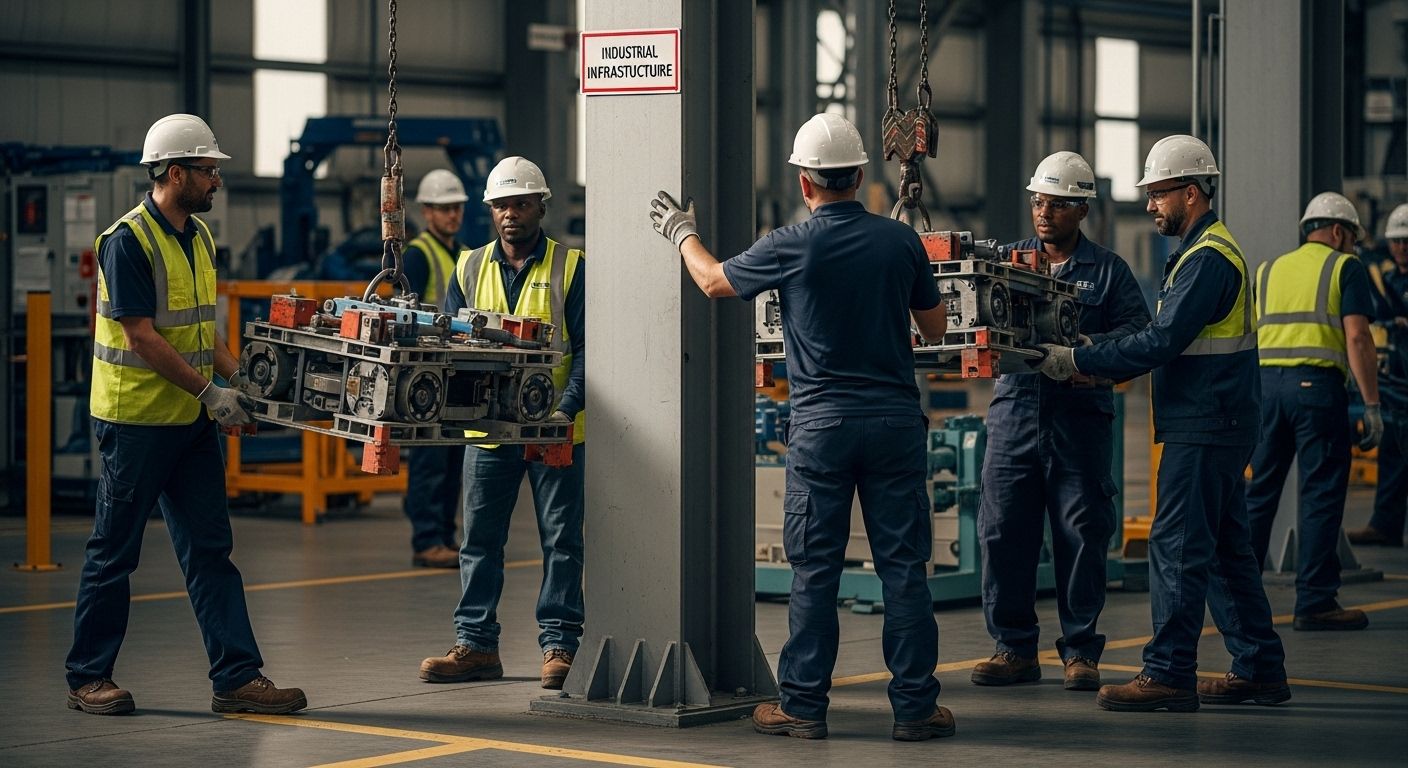
Gauteng’s industrial sectors leverage structural steel applications for constructing complex and high-performance facilities. Research from the South African structural engineering community highlights the material’s exceptional versatility in industrial settings. Manufacturing plants, warehouses, and processing facilities frequently utilize structural steel frames due to their rapid construction capabilities and superior strength-to-weight ratio.
Key advantages include minimal on-site fabrication time, exceptional structural integrity, and remarkable adaptability for future modifications. Industrial engineers appreciate structural steel’s ability to support heavy machinery, withstand significant loads, and provide long-term durability in challenging operational environments.
Manufacturing and Production Facilities
Manufacturing facilities in Gauteng extensively deploy structural steel for creating expansive, flexible production spaces. From automotive manufacturing plants to advanced electronics facilities, structural steel enables architects and engineers to design large-open floor plans with minimal internal support columns. This design flexibility allows manufacturers to reconfigure production lines efficiently and accommodate evolving technological requirements.
The material’s corrosion resistance and ability to withstand extreme temperatures make it ideal for demanding industrial processes. Engineering studies demonstrate that structural steel structures can significantly reduce long-term maintenance costs compared to traditional construction materials.
Infrastructure and Commercial Construction
Beyond industrial applications, structural steel plays a pivotal role in Gauteng’s infrastructure and commercial construction sectors. Bridges, transportation terminals, shopping complexes, and office parks frequently incorporate structural steel frameworks. The material’s ability to span large distances without intermediate support makes it particularly valuable for creating modern, spacious architectural designs.
Commercial developers appreciate structural steel’s speed of construction, which allows projects to be completed faster than traditional building methods. The lightweight nature of steel reduces foundation requirements and overall construction costs. Moreover, steel’s recyclability aligns with growing sustainability requirements in the construction industry.
For those interested in exploring more about our hot-rolled steel options, learn more about our specialized steel solutions that support these critical structural applications across Gauteng’s dynamic industrial landscape.
Benefits of Structural Steel for Industrial Projects
Structural steel represents a transformative material solution for industrial projects, offering unparalleled performance characteristics that set it apart from traditional construction materials. Its unique properties deliver significant advantages across manufacturing, infrastructure, and engineering domains in Gauteng’s dynamic industrial landscape.
Below is a summary table comparing the main benefits of structural steel for industrial projects in Gauteng, as discussed in the article. This table helps clarify how steel outperforms traditional materials in key areas relevant to local industries.
| Benefit | Description |
|---|---|
| Superior Strength-to-Weight Ratio | Enables robust yet lightweight structures for heavy industrial loads and expansive spaces |
| Fast Construction & Installation | Reduces project timelines by up to 40% compared to traditional methods, minimising delays |
| Design Flexibility | Allows for large open floor plans, future expansions, and quick adaptation to new requirements |
| Durability & Longevity | Withstands harsh environments and heavy use, reducing maintenance and extending facility lifespan |
| Sustainability | Fully recyclable with no loss in quality, supporting circular economy goals |
| Cost-Effectiveness | Cuts both construction and long-term operational costs through efficiency and reduced labour |
Exceptional Structural Performance and Durability
Structural steel provides remarkable strength-to-weight ratios that enable engineers to design robust yet lightweight industrial structures. Research from the South African Institute of Steel Construction indicates that steel structures can withstand extreme environmental conditions while maintaining structural integrity. This resilience translates into reduced maintenance costs and extended facility lifecycles.
The material’s inherent ductility allows structures to flex under significant loads without catastrophic failure, a critical safety feature for industrial facilities. Steel’s ability to absorb and redistribute mechanical stress makes it ideal for complex industrial environments where structural reliability is paramount. Engineers can precisely predict and design steel structures to meet specific load-bearing requirements with exceptional accuracy.
Cost-Effectiveness and Construction Efficiency
Industrial projects demand materials that balance performance with economic considerations. Structural steel excels in this domain by dramatically reducing construction timelines and associated labor costs. A comprehensive engineering study from the University of Pretoria demonstrates that steel-based construction can reduce project completion times by up to 40% compared to traditional building methods.
Prefabrication capabilities mean substantial portions of steel structures can be manufactured off-site, minimizing on-site construction complexity. This approach reduces potential disruptions, improves worker safety, and allows for more precise quality control. The standardized manufacturing processes associated with structural steel also enable more predictable project budgeting and resource allocation.
Sustainability and Future-Proofing Industrial Facilities
Modern industrial projects increasingly prioritize sustainability, and structural steel emerges as an environmentally responsible choice. The material is 100% recyclable, with no degradation in its mechanical properties during recycling processes. Environmental research published in the Journal of Sustainable Materials highlights steel’s circular economy potential, making it an attractive option for environmentally conscious industrial developers.
Moreover, steel structures offer exceptional adaptability for future modifications. Industrial facilities can be easily expanded, reconfigured, or repurposed without extensive reconstruction. This flexibility is crucial in rapidly evolving technological landscapes where industrial spaces must quickly accommodate changing production requirements.
For industrial professionals seeking deeper insights into specialized steel grades suitable for advanced applications, explore our comprehensive steel grade guide to understand how different steel compositions can optimize your project’s performance and longevity.
Choosing the Right Steel Products for Your Application
Selecting the appropriate steel product is a critical decision that directly impacts the performance, durability, and cost-effectiveness of industrial projects in Gauteng. The complexity of material selection demands a strategic approach that considers multiple technical and operational factors.
Material Property Considerations
Understanding the specific material properties is fundamental to choosing the right steel product. Research from the National Academies Press emphasizes the importance of evaluating mechanical characteristics such as tensile strength, yield point, and elongation. Industrial engineers must carefully assess how these properties align with the intended application’s environmental and operational demands.
The following table organises the key material property considerations necessary when choosing structural steel products for various industrial applications. This overview helps professionals quickly assess important selection criteria discussed in the article.
| Property | Why It Matters | Typical Application Considerations |
|---|---|---|
| Corrosion Resistance | Ensures longevity in harsh environments | Outdoor, chemical, or high-moisture facilities |
| Thermal Stability | Maintains performance at high temperatures | Factories with furnaces, foundries, or heat process |
| Load-Bearing Capacity | Supports expected weights and stresses | Heavy machinery assembly, large spans |
| Ductility | Allows flexing without failure | Seismic areas, facilities with moving equipment |
| Weldability | Affects ease/quality of fabrication | Projects needing complex shapes or joins |
Key material attributes include corrosion resistance, thermal stability, and load-bearing capacity. Different steel grades offer unique combinations of these properties, making precise selection crucial. For instance, high-stress environments require steel with superior strength and ductility, while corrosive settings demand specialized alloy compositions that resist chemical degradation.
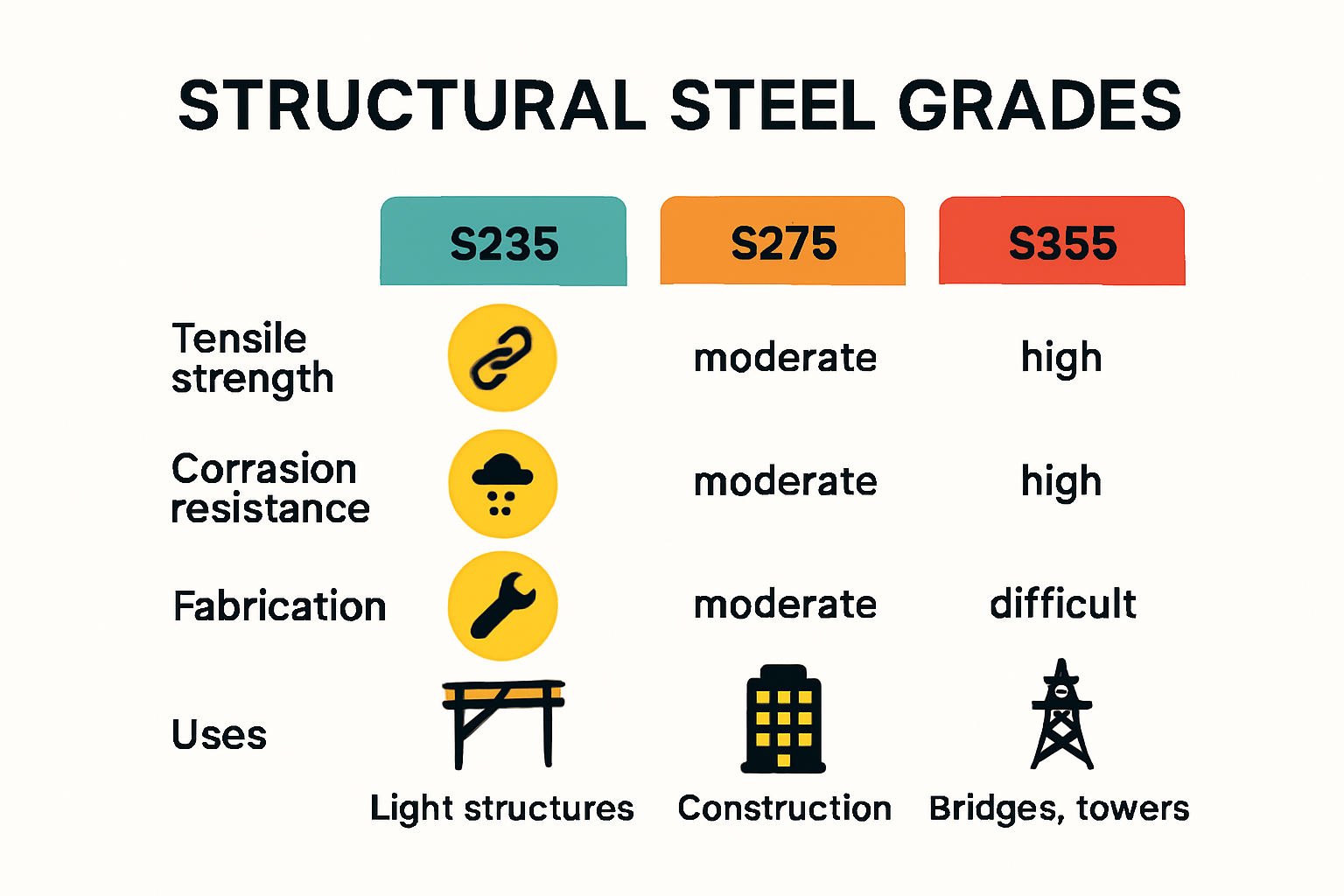
Application-Specific Selection Criteria
Industrial applications demand a nuanced approach to steel product selection. The American Institute of Steel Construction highlights the significance of matching steel grades to specific project requirements. Manufacturing sectors like automotive, mining, and heavy equipment production each present unique challenges that require tailored material solutions.
Critical selection factors include:
- Load-bearing requirements: Determining the precise stress and strain capabilities needed
- Environmental exposure: Assessing potential chemical, thermal, and mechanical challenges
- Fabrication complexity: Evaluating the material’s weldability and machinability
- Long-term performance expectations: Considering durability and maintenance implications
Advanced Material Selection Strategies
Modern industrial design requires a sophisticated approach to steel product selection. The American Society of Civil Engineers recommends a comprehensive evaluation process that goes beyond basic material specifications. This involves computational modeling, predictive performance analysis, and detailed understanding of material microstructures.
Engineers must consider not just the immediate project requirements but also potential future adaptations. Selecting versatile steel products that offer flexibility for potential modifications can provide significant long-term economic advantages. This forward-thinking approach allows industrial facilities to maintain competitive edge by minimizing future retrofit or replacement costs.
For professionals seeking deeper insights into navigating the complex world of steel grade selection, explore our comprehensive guide to industrial steel grades and unlock the technical knowledge needed to make informed material decisions.
Best Practices for Sourcing Structural Steel Locally
Sourcing structural steel locally requires a strategic approach that balances technical requirements, economic considerations, and industry standards. For Gauteng’s industrial sectors, developing a robust procurement strategy is crucial to ensuring project success and maintaining competitive advantage.
Quality Assurance and Supplier Evaluation
The Institution of Structural Engineers emphasizes the critical importance of comprehensive supplier evaluation. Industrial procurement teams must conduct thorough assessments that go beyond basic price comparisons. Key evaluation criteria should include:
- Manufacturing capabilities: Assessing technical competence and production infrastructure
- Quality control processes: Verifying compliance with international standards
- Traceability and documentation: Ensuring complete material origin and performance certification
- Sustainability practices: Evaluating environmental responsibility and manufacturing ethics
Effective supplier selection demands a holistic approach that considers long-term reliability and consistent performance. Local suppliers who demonstrate technical expertise and commitment to quality become strategic partners in industrial projects.
Compliance and Technical Specifications
Navigating local procurement requirements demands meticulous attention to technical specifications and regulatory standards. Research from national engineering associations highlights the importance of aligning material selections with specific project requirements. Industrial engineers must develop comprehensive procurement guidelines that address:
- Precise material grade specifications
- Dimensional tolerances
- Performance characteristics
- Certification and testing protocols
Understanding local industry standards and international benchmarks ensures that sourced structural steel meets the most rigorous performance criteria. This approach minimizes potential risks associated with material variability and supports consistent project outcomes.
Strategic Procurement Considerations
Successful local steel sourcing extends beyond immediate technical requirements. Strategic procurement involves developing collaborative relationships with suppliers who understand the nuanced needs of Gauteng’s industrial landscape. Considerations should include:
- Flexible supply chain capabilities
- Responsive technical support
- Ability to accommodate custom specifications
- Competitive pricing structures
- Consistent material quality
For professionals seeking deeper insights into navigating the complexities of steel product selection, explore our comprehensive industrial steel sourcing guide to optimize your procurement strategies and technical decision-making processes.
Ultimately, successful local structural steel sourcing requires a balanced approach that integrates technical expertise, strategic thinking, and collaborative partnerships. By implementing robust evaluation processes and maintaining high standards, industrial projects can secure reliable, high-performance steel products that drive operational excellence.
Frequently Asked Questions
What are the key applications of structural steel in Gauteng industries?
Structural steel is widely used in industrial infrastructure development, manufacturing facilities, and commercial construction such as bridges and office parks. Its versatility and strength make it ideal for these applications.
How does structural steel compare to concrete in terms of construction time?
Structural steel can reduce construction times by up to 40% compared to traditional concrete methods, leading to quicker project completions and fewer delays in Gauteng’s fast-paced economy.
What are the benefits of using structural steel for industrial projects?
Structural steel offers exceptional strength-to-weight ratios, cost-effectiveness, design flexibility, durability, and sustainability, making it an ideal choice for various industrial applications in Gauteng.
How should I choose the right steel products for my application?
Selecting the right steel products involves considering properties like corrosion resistance, load-bearing capacity, and the specific environmental conditions of your project. It’s important to assess material requirements based on the intended application.
Unlock the Full Potential of Steel for Your Gauteng Projects
Are you feeling pressure from tight deadlines or worried about the costs and reliability of your structural steel supply? Delays, unexpected expenses, and the risk of choosing the wrong steel grade can threaten your project’s success. The article you just read explained how vital it is to use high-quality steel for rapid construction, outstanding durability, and customisation in Gauteng’s industrial and commercial settings. If these challenges sound familiar, you are not alone—every project manager wants trusted products and efficient service.
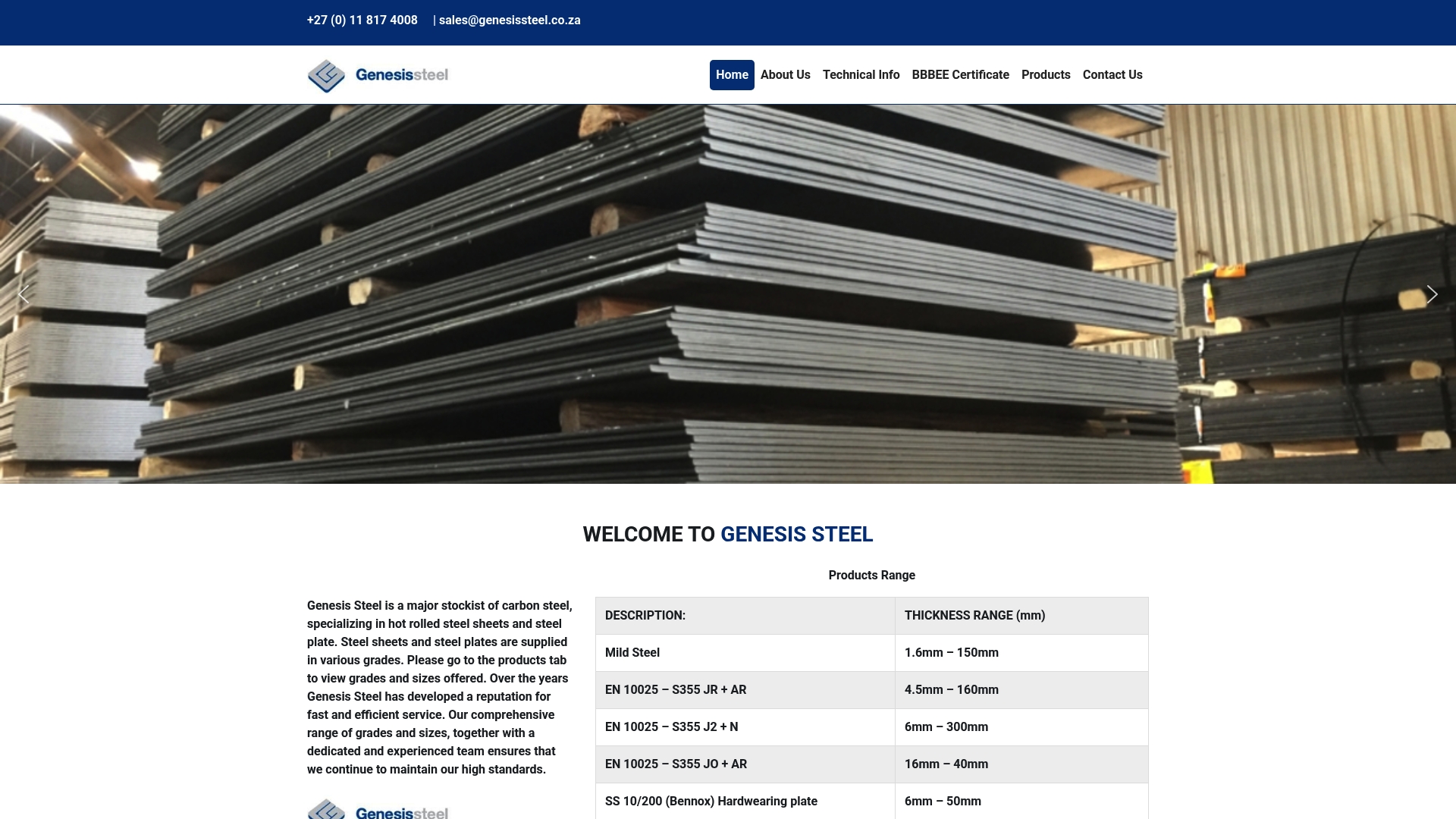
At Genesis Steel, you get more than just steel products. Our knowledgeable team helps you select the precise hot-rolled steel sheets and plates for your application, so you avoid costly mistakes and keep your build on track. With a vast inventory of reputable grades and responsive service, we have earned our reputation as a leader across Gauteng’s industrial sector. Do not let uncertainty hold back your project’s progress. Visit Genesis Steel’s main site today to connect with specialists ready to secure your next project’s success.