

Steel plates keep Gauteng’s industries running, from massive mining equipment all the way to high-rise construction. Everyone knows these plates are tough, but here’s a surprise. Some wear-resistant grades like AR500 last up to five times longer in mining environments than standard steel plates. It sounds like strength is the only thing that matters, but actually, picking the right plate is about way more than just durability. The smartest choices hinge on matching exact steel properties to your project’s needs, and that can change everything.
Table of Contents
- Key Steel Plate Types Used In Gauteng
- Industry Applications For Steel Plate Types
- Selecting The Right Plate For Your Project
- South African Sourcing And Compliance Tips
Quick Summary
| Takeaway | Explanation |
|---|---|
| High Strength Steel Plates are Essential | Used for demanding projects like bridge construction and heavy machinery, ensuring structural integrity. |
| Wear-Resistant Plates Protect Against Abrasion | Ideal for mining and material handling, preventing premature wear and maintaining equipment performance. |
| Corrosion-Resistant Plates Enhance Longevity | Crucial for food, chemical, and pharmaceutical industries, these plates resist degradation from harsh environments. |
| Select Plates Based on Project Specifics | Evaluating mechanical stress, environmental conditions, and compliance ensures appropriate material choices for projects. |
| Local Sourcing Supports Economic Growth | Prioritizing locally produced steel plates fosters industry development and sustainable manufacturing practices in Gauteng. |
Key Steel Plate Types Used in Gauteng
The industrial landscape of Gauteng demands robust and versatile steel plates to support complex manufacturing, construction, and engineering requirements. Understanding the key types of steel plates is crucial for procurement managers and project leaders seeking optimal material solutions.
High Strength Structural Steel Plates
Structural steel plates form the backbone of industrial infrastructure in Gauteng. These plates are engineered to withstand substantial mechanical stress and provide exceptional load-bearing capabilities. According to research from ASTM International, structural steel plates like A514 represent a critical category with remarkable mechanical properties. These high-strength, quenched and tempered alloy steel plates offer a yield strength of 100,000 psi, making them ideal for complex engineering projects.
Manufacturers in Gauteng primarily utilize structural steel plates in:
- Bridge construction
- Heavy machinery fabrication
- Industrial building frameworks
- Mining equipment development
Specialized Wear-Resistant Steel Plates
In harsh industrial environments like mining and material handling, wear-resistant steel plates become indispensable. Abrasion-resistant steel research reveals that grades such as AR400 and AR500 are specifically designed to combat extreme mechanical wear and stress. These specialized plates feature high carbon content and unique alloying elements that enhance their durability and resistance to surface degradation.
Key applications of wear-resistant steel plates in Gauteng include:
- Mining equipment components
- Conveyor system construction
- Material handling machinery
- Earthmoving equipment fabrication
Corrosion-Resistant Stainless Steel Plates
Stainless steel plates represent another critical category for Gauteng industries, offering exceptional resistance to chemical degradation and environmental challenges. Stainless steel manufacturing standards categorize these plates based on microstructure, including austenitic, ferritic, and martensitic types. Each variant provides unique properties suitable for specific industrial requirements.
Industries in Gauteng utilizing stainless steel plates encompass:
- Food processing equipment
- Chemical manufacturing
- Pharmaceutical production
- Advanced engineering applications
Selecting the appropriate steel plate type requires careful consideration of environmental conditions, mechanical stress, and specific project requirements. Learn more about our steel plate selection process.
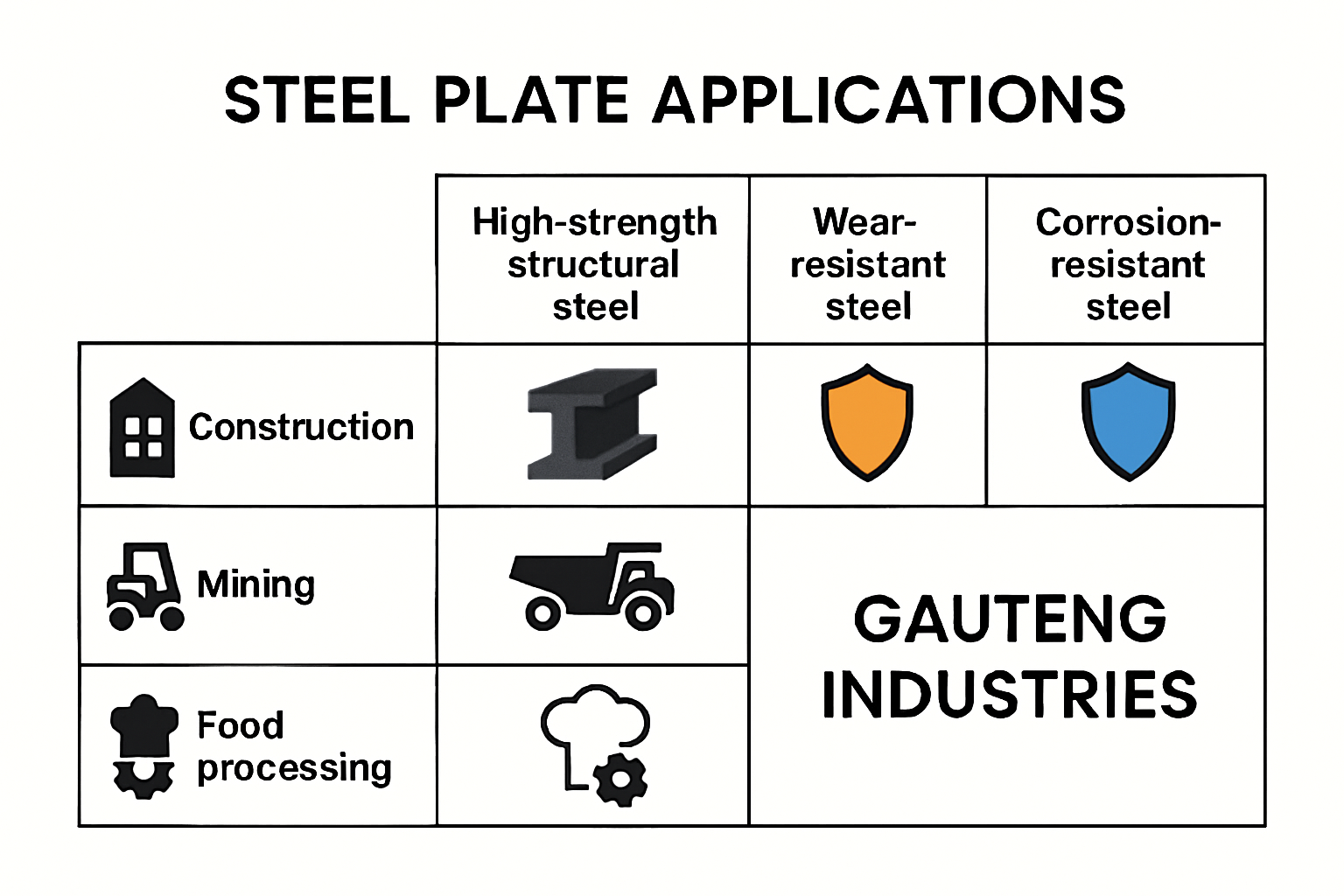
To help compare the major steel plate types discussed in this section, the table below summarises their key properties and main Gauteng industry applications.
| Steel Plate Type | Key Properties | Typical Gauteng Applications |
|---|---|---|
| High Strength Structural | Exceptional strength, load-bearing | Bridges, machinery, building frameworks, mining equipment |
| Wear-Resistant (e.g., AR400, AR500) | High durability, abrasion resistance | Mining equipment, conveyors, material handling, earthmovers |
| Corrosion-Resistant Stainless | Chemical/environmental resistance | Food processing, chemical, pharmaceutical, advanced engineering |
Industry Applications for Steel Plate Types
Steel plates serve as fundamental components across multiple industrial sectors in Gauteng, providing critical structural support and performance capabilities for complex engineering projects. Understanding the diverse applications of different steel plate types enables industries to optimize material selection and enhance overall project efficiency.
Infrastructure and Construction Applications
In the construction and infrastructure development sectors, steel plates play a pivotal role in creating robust and resilient structures. Structural steel plate research indicates these materials are essential for building bridges, tunnels, and high-rise buildings that require exceptional strength and durability. Gauteng’s infrastructure projects demand steel plates capable of withstanding significant mechanical loads and environmental challenges.
Key infrastructure applications include:
- Bridge construction and rehabilitation
- High-rise building frameworks
- Tunnel structural supports
- Architectural facade systems
- Underground parking structures
Maritime and Offshore Engineering
The maritime and offshore engineering sectors utilize specialized steel plates designed to withstand extreme environmental conditions. According to POSCO steel research, offshore structural plates offer remarkable properties such as excellent ductility and low-temperature toughness. These characteristics make them crucial for platforms used in oil drilling, marine construction, and offshore renewable energy installations.
Notable maritime and offshore applications encompass:
- Offshore oil platform structures
- Marine vessel construction
- Underwater pipeline supports
- Offshore wind turbine foundations
- Coastal protection infrastructure
Advanced Manufacturing and Industrial Equipment
Advanced manufacturing sectors in Gauteng rely on specialized steel plates for creating complex machinery and industrial equipment. The Sandwich Plate System (SPS) represents an innovative approach, utilizing composite materials with metal face plates bonded by elastomer cores. This technology provides exceptional strength-to-weight ratios critical for sophisticated engineering applications.
Primary manufacturing and industrial applications include:
- Heavy machinery fabrication
- Precision engineering equipment
- Automated manufacturing systems
- Material handling infrastructure
- Mining and extraction equipment
Selecting appropriate steel plate types requires comprehensive understanding of project-specific requirements, environmental conditions, and performance expectations. Explore our comprehensive steel plate solutions to discover tailored materials for your industrial needs.
Selecting the Right Plate for Your Project
Selecting the appropriate steel plate is a critical decision that directly impacts project performance, durability, and overall cost-effectiveness. Industrial professionals in Gauteng must navigate a complex landscape of material specifications to ensure optimal outcomes for their engineering and manufacturing initiatives.
Comprehensive Material Assessment Criteria
Choosing the right steel plate requires a systematic evaluation of multiple critical factors. Research from industrial metallurgy experts highlights several key considerations that guide material selection. These include mechanical strength requirements, environmental exposure, anticipated mechanical stress, and specific project constraints.
Critical evaluation parameters encompass:
- Strength Requirements: Determining load-bearing capacity
- Corrosion Resistance: Assessing environmental degradation potential
- Weldability: Evaluating fabrication compatibility
- Cost Constraints: Balancing performance with budget limitations
- Industry Standards Compliance: Ensuring regulatory adherence
To make it easier to consider all essential factors for steel plate selection, the checklist below summarises the key assessment criteria.
| Assessment Criteria | Description | Considered? (Yes/No) |
|---|---|---|
| Strength Requirements | Load-bearing capacity needed | |
| Corrosion Resistance | Protection against environmental degradation | |
| Weldability | Suitability for fabrication processes | |
| Cost Constraints | Alignment with project budget | |
| Industry Standards Compliance | Meets regulatory/industry requirements |
Technical Performance Characteristics
Understanding the nuanced performance characteristics of different steel plate types is essential for precise material selection. Comprehensive plate selection guidelines emphasize the importance of analyzing mechanical properties such as carbon content, manganese levels, and structural composition. These technical attributes directly influence the plate’s suitability for specific industrial applications.
Key technical considerations include:
- Tensile strength measurements
- Impact resistance capabilities
- Temperature performance range
- Dimensional stability
- Microstructural integrity
Project-Specific Material Matching
Successful steel plate selection demands a tailored approach that aligns material properties with unique project requirements. Expert engineering research suggests a comprehensive evaluation framework that goes beyond standard specifications. This approach involves detailed analysis of environmental conditions, mechanical loads, and long-term performance expectations.
Strategic material matching involves:
- Precise application context assessment
- Performance simulation and predictive modeling
- Comprehensive material compatibility analysis
- Risk mitigation strategies
- Long-term durability projections
Navigating the complex landscape of steel plate selection requires technical expertise, strategic thinking, and a deep understanding of material science principles. Discover our expert consultation services to ensure optimal material selection for your critical industrial projects.
South African Sourcing and Compliance Tips
Navigating the complex landscape of steel plate sourcing and compliance in South Africa requires a strategic approach that balances technical requirements, regulatory standards, and industry best practices. Industrial professionals in Gauteng must understand the intricate framework governing steel plate procurement and utilization.
Regulatory Framework and Standards
According to the South African Iron and Steel Institute, the local steel industry operates under a comprehensive regulatory environment designed to ensure quality, safety, and sustainable manufacturing practices. The national standards for steel plate procurement encompass multiple critical dimensions, including material specifications, quality control, and environmental compliance.
Key regulatory considerations include:
- SABS Certification: Mandatory quality standards for steel materials
- Import/Export Regulations: Compliance with national trade guidelines
- Environmental Impact Assessments: Sustainable manufacturing requirements
- Industry-Specific Performance Standards: Sector-dependent technical specifications
- Workplace Safety Regulations: Fabrication and handling protocols
Local Procurement and Industry Development
The South African Steel and Metal Fabrication Master Plan highlights the critical importance of supporting local manufacturing ecosystems. This strategic initiative emphasizes developing robust domestic supply chains and promoting local steel plate production. Industrial buyers in Gauteng must consider the broader economic implications of their sourcing strategies.
Strategic local procurement approaches involve:
- Prioritizing locally manufactured steel plates
- Supporting emerging black-owned manufacturing enterprises
- Investing in skills development and technology transfer
- Participating in industry transformation initiatives
- Promoting sustainable manufacturing practices
Quality Assurance and Technical Verification
Comprehensive quality assurance represents a fundamental aspect of steel plate sourcing in the South African industrial context. Procurement professionals must implement rigorous verification processes that go beyond basic compliance, ensuring material integrity, performance reliability, and long-term value generation.
Essential quality verification strategies include:
- Comprehensive material testing protocols
- Third-party certification verification
- Traceability documentation requirements
- Performance benchmark assessments
- Continuous supplier performance monitoring
Successful steel plate sourcing demands a holistic approach that integrates technical expertise, regulatory knowledge, and strategic thinking. Learn more about our comprehensive sourcing solutions to optimize your industrial material procurement strategy.
Frequently Asked Questions
What are the key types of steel plates used in the Gauteng industry?
The main types of steel plates used in Gauteng include High Strength Structural Steel Plates, Specialized Wear-Resistant Steel Plates (like AR400 and AR500), and Corrosion-Resistant Stainless Steel Plates. Each type serves specific industrial needs based on mechanical strength, wear resistance, or corrosion resistance.
How can I select the right steel plate for my project in Gauteng?
To select the right steel plate, consider factors such as the mechanical strength required, environmental conditions, corrosion resistance, weldability, cost constraints, and compliance with industry standards. Evaluating these criteria thoroughly will help ensure the material meets your project’s demands.
What is the importance of wear-resistant steel plates in Gauteng’s mining industry?
Wear-resistant steel plates are crucial in the mining industry as they are specifically designed to withstand extreme mechanical wear and stress. Plates like AR400 and AR500 are utilized to improve the longevity and performance of mining equipment, reducing downtime and maintenance costs.
What regulatory standards must be considered when sourcing steel plates in South Africa?
When sourcing steel plates in South Africa, it’s essential to comply with SABS certification standards, import/export regulations, environmental impact assessments, and industry-specific performance standards. Adhering to these regulations ensures safety, quality, and the sustainability of manufacturing practices.
Get the Right Steel Plate for Every Gauteng Project
Struggling to balance strength, reliability, and compliance on your next industrial build? The choices can be overwhelming. As covered above, selecting the correct steel plate is not just about toughness. You have to juggle factors like mechanical stress, wear resistance for mining, or corrosion resistance for food, chemical, and pharma projects. If you pick the wrong grade or get stuck with slow deliveries, your whole timeline and budget can suffer.
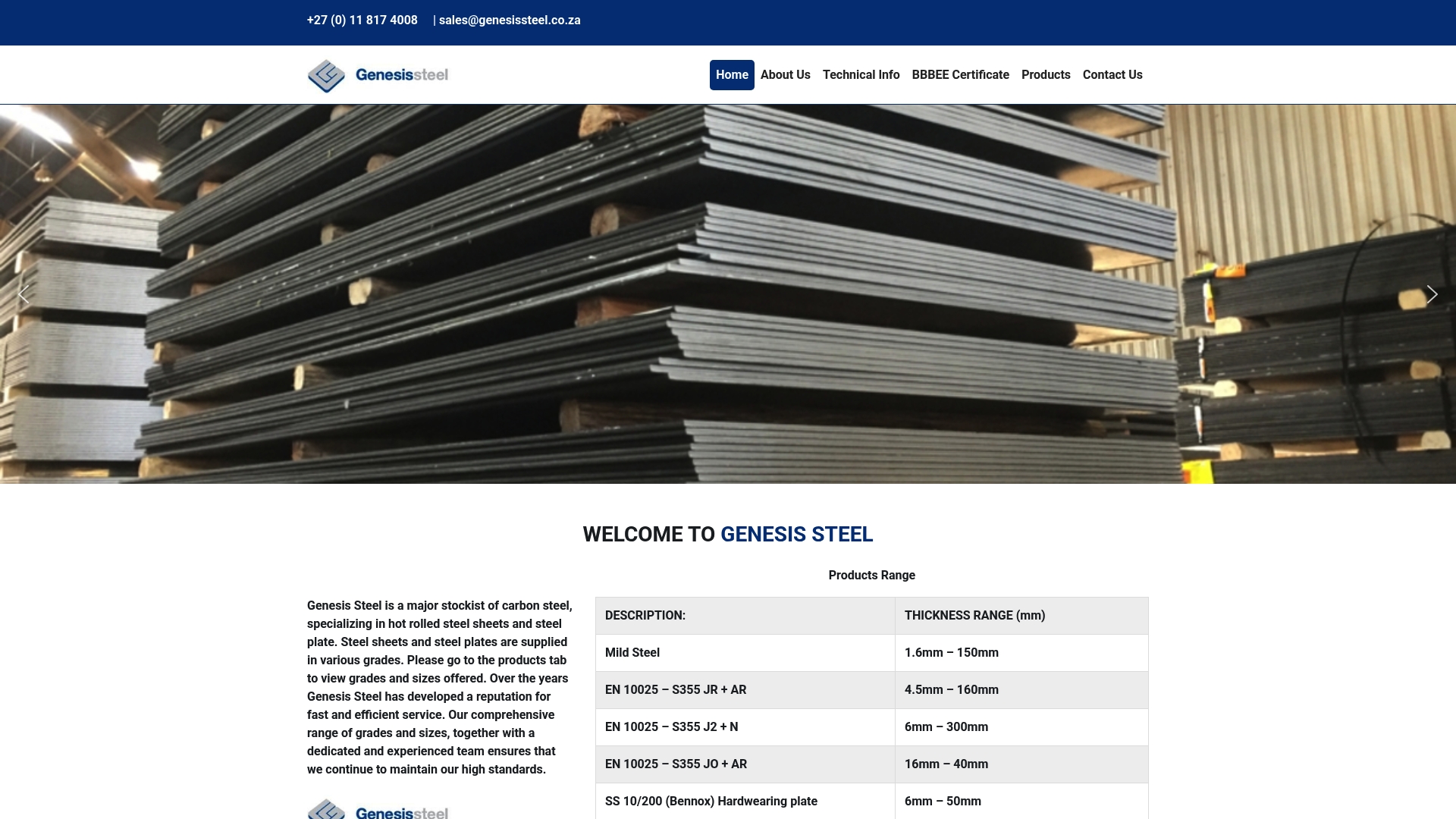
Make your next decision easy. At Genesis Steel you get access to a broad stock range of hot-rolled steel sheets and steel plates in all the grades mentioned in this guide. Our experienced team is known for fast, accurate service out of Vulcania, Brakpan, right in the heart of Gauteng’s industry. Ready to see how we can match your precise project specs and keep you compliant with local standards? Connect with our experts or learn about our steel plate selection process now and secure your supply before lead times go up.