

Energy efficiency in construction is changing the way we build, aiming for smart use of every kilowatt without sacrificing comfort. Most people expect fancy gadgets or expensive materials to drive these changes. But the real surprise is that buildings account for around 40% of global energy use and almost 39% of worldwide carbon emissions. This flips the whole story from just saving money to reshaping our entire approach to sustainability.
Table of Contents
- Defining Energy Efficiency In Construction
- The Importance Of Energy Efficiency In The Built Environment
- How Energy Efficiency Impacts Construction Costs
- Key Concepts And Technologies Driving Energy Efficiency
- Real-World Applications Of Energy Efficiency In Construction
Quick Summary
| Takeaway | Explanation |
|---|---|
| Energy efficiency reduces operational costs. | Implementing energy-efficient designs can lower building operational expenses by up to 30% over traditional methods. |
| Sustainable practices enhance building value. | Energy-efficient buildings attract higher market value and appeal due to lower future energy costs. |
| Technologies optimize energy management. | Intelligent building management systems can save up to 40% on energy consumption through real-time data processing. |
| Long-term benefits outweigh initial investment. | While upfront costs may be higher, energy-efficient structures result in substantial savings in the long run. |
| Holistic design improves environmental impact. | Incorporating strategies like renewable energy integration and advanced materials helps mitigate greenhouse gas emissions significantly. |
Defining Energy Efficiency in Construction
Energy efficiency in construction represents a strategic approach to minimising energy consumption while maintaining optimal performance and functionality within built environments. This concept goes beyond simple cost reduction, encompassing a holistic methodology that considers environmental sustainability, resource management, and long term structural performance.
The Core Principles of Energy Efficiency
At its fundamental level, energy efficiency in construction focuses on reducing unnecessary energy expenditure through intelligent design, material selection, and technological integration. Architects and engineers aim to create structures that consume minimal energy while providing maximum comfort and utility. This involves carefully considering every aspect of building design from thermal insulation to natural light utilisation.
Key principles include:
- Minimising heat loss through advanced insulation techniques
- Integrating renewable energy systems seamlessly into building infrastructure
- Selecting materials with superior thermal performance
Technological and Architectural Strategies
Modern construction practices leverage cutting edge technologies to enhance energy efficiency. Research from the International Energy Agency indicates that buildings account for approximately 40% of global energy consumption, making these strategies critically important. Innovative approaches such as passive solar design, advanced glazing technologies, and smart building management systems are transforming how structures interact with environmental conditions.
Engineering solutions now incorporate sophisticated computational models that simulate energy performance before construction begins. These digital tools allow professionals to predict and optimise thermal dynamics, airflow, and energy consumption with unprecedented precision. By understanding potential energy flows and thermal bridges, designers can implement targeted interventions that significantly reduce overall energy requirements.
Below is a table comparing the key principles and strategies of energy efficiency as implemented in construction, summarising how each contributes to sustainability and performance.
| Principle/Strategy | Description | Main Benefit |
|---|---|---|
| Advanced Insulation Techniques | Use of modern materials and design to reduce heat loss and improve thermal performance | Reduces unnecessary energy usage |
| Integration of Renewable Energy Systems | Incorporating solar panels, wind turbines, or other renewable sources directly into building design | Cuts down on carbon emissions |
| Passive Solar Design | Structuring buildings to maximise natural light and heat from the sun | Minimises need for artificial energy |
| Smart Building Management Systems | Utilising sensors, data analytics, and automation for energy regulation | Optimises energy use in real time |
| High-Performance Building Materials | Selecting materials with superior thermal and energy efficiency characteristics | Improves lifecycle sustainability |
| Computational Energy Modelling | Using simulation tools to design and predict energy performance before construction | Ensures targeted interventions |
The ultimate goal of energy efficiency in construction transcends immediate economic benefits. It represents a commitment to environmental stewardship, reduced carbon emissions, and creating sustainable infrastructure that serves both present and future generations.
The Importance of Energy Efficiency in the Built Environment
The significance of energy efficiency extends far beyond mere economic considerations, representing a critical paradigm shift in architectural and engineering practices. Buildings are responsible for substantial global energy consumption and carbon emissions, making energy efficiency a pivotal strategy for environmental sustainability and resource conservation.
Environmental and Economic Impact
Modern construction practices increasingly recognise the profound interconnectedness between built environments and ecological systems. Research from the World Green Building Council reveals that buildings generate approximately 39% of global carbon emissions, underscoring the urgent need for transformative approaches in construction methodologies.
Key environmental implications include:
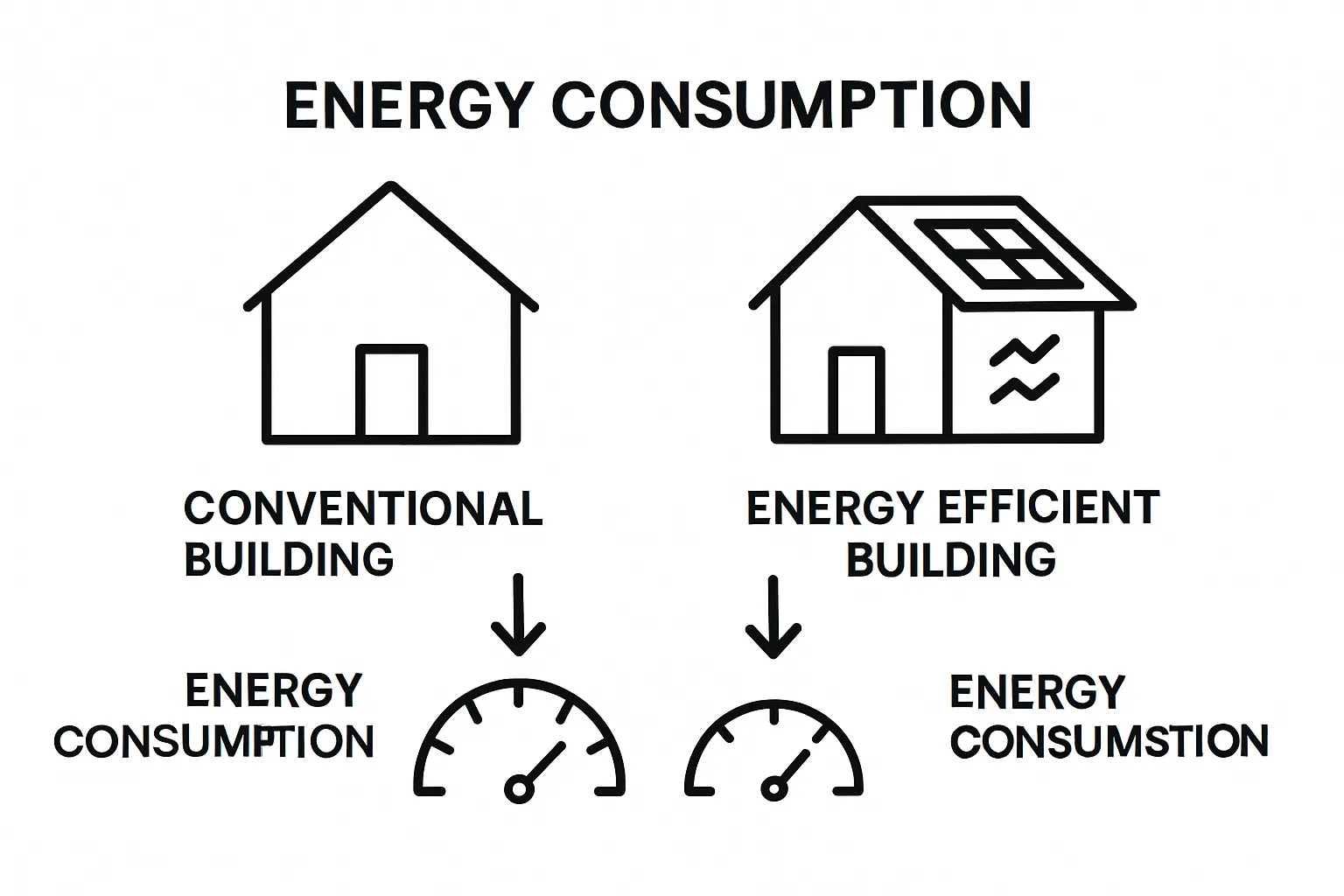
- Significant reduction in greenhouse gas emissions
- Preservation of natural resources through intelligent design
- Mitigation of climate change impacts through sustainable infrastructure
Long Term Sustainability Strategies
Beyond immediate environmental benefits, energy efficiency represents a strategic investment in future infrastructure resilience. Sustainable construction practices create buildings that adapt dynamically to changing environmental conditions, integrating technological innovations with robust design principles.
Engineering solutions now prioritise comprehensive lifecycle assessments that evaluate energy performance from initial construction through decades of operational usage. This holistic approach considers not just immediate energy consumption but potential long term environmental and economic impacts. Advanced computational models enable professionals to simulate complex energy interactions, predicting and optimising thermal performance with unprecedented accuracy.
The transformation towards energy efficient built environments is not merely a technical challenge but a fundamental reimagining of how human structures interact with natural systems. By embracing sophisticated design strategies, construction professionals can create infrastructure that minimises ecological footprints while delivering exceptional functional performance.
This table summarises significant statistics and research findings mentioned in the article to highlight the impact of energy efficiency in construction.
| Statistic / Finding | Source / Context | Impact / Relevance |
|---|---|---|
| Buildings account for ~40% of global energy use | International Energy Agency | Demonstrates buildings’ substantial energy consumption |
| Nearly 39% of worldwide carbon emissions come from buildings | World Green Building Council | Highlights urgency for efficiency measures |
| Energy-efficient buildings can lower operating costs by up to 30% | National Renewable Energy Laboratory | Shows economic benefit of efficient design |
| Smart building management systems can save up to 40% on energy consumption | American Society of Heating, Refrigerating and Air Conditioning Engineers | Underlines the potential of technological integration |
How Energy Efficiency Impacts Construction Costs
Energy efficiency represents a strategic investment that fundamentally transforms traditional cost structures in construction projects. While initial implementation may require higher upfront investments, long term financial benefits substantially outweigh short term expenditures. Understanding these economic dynamics is crucial for architects, engineers, and project managers seeking sustainable and financially prudent building solutions.
Initial Investment and Long Term Savings
Research from the National Renewable Energy Laboratory demonstrates that energy efficient buildings can reduce operational costs by up to 30% compared to conventional structures. These savings emerge through multiple interconnected mechanisms that optimise resource utilisation and minimise wastage.
Key financial considerations include:
- Reduced energy consumption during building lifecycle
- Lower maintenance and replacement expenses
- Enhanced property value and market attractiveness
Economic Risk Mitigation Strategies
Constructing energy efficient buildings introduces sophisticated risk management approaches that extend beyond traditional cost calculations. Intelligent design strategies anticipate potential future energy price fluctuations, creating financial buffers against market volatility. Advanced thermal insulation, smart building management systems, and renewable energy integrations transform buildings from pure cost centres into strategic financial assets.
Modern construction economics recognise that energy efficiency is not an expense but a comprehensive value generation strategy. Professional quantity surveyors and financial planners now incorporate detailed lifecycle cost analyses that project potential savings across decades of building usage. These computational models factor in variables such as material durability, energy consumption patterns, and technological obsolescence, providing nuanced financial perspectives that challenge traditional construction economics.
Key Concepts and Technologies Driving Energy Efficiency
Energy efficiency in construction demands sophisticated technological integration and innovative design principles, transforming traditional building methodologies into intelligent, responsive systems. Modern approaches leverage cutting edge technologies that enable unprecedented control and optimisation of energy consumption throughout a structure’s lifecycle.
Intelligent Building Management Systems
Research from the American Society of Heating, Refrigerating and Air Conditioning Engineers indicates that smart building technologies can reduce energy consumption by up to 40%. These advanced systems combine sensors, machine learning algorithms, and real time data processing to dynamically manage thermal environments, lighting, and overall energy utilisation.
Key technological capabilities include:
- Automated climate control with predictive adjustment capabilities
- Real time energy consumption monitoring and analysis
- Adaptive systems that learn from historical usage patterns
Advanced Material and Design Innovations
Construction professionals now employ sophisticated materials engineered specifically for thermal performance and energy conservation. Nanotechnology and advanced composite materials enable unprecedented levels of thermal insulation and energy management. Innovations such as phase change materials, aerogel insulation, and smart glass technologies represent breakthrough approaches that fundamentally reimagine how buildings interact with environmental conditions.
These technological interventions go beyond traditional passive design strategies. Computational simulation tools allow engineers to model complex thermal dynamics with extraordinary precision, predicting and optimising energy flows before physical construction begins. By integrating renewable energy systems, sophisticated insulation techniques, and intelligent management platforms, modern buildings transform from static structures into dynamic, responsive ecosystems that actively manage energy consumption.
Real-World Applications of Energy Efficiency in Construction
Energy efficiency transitions from theoretical concept to tangible reality through strategic implementation across diverse construction sectors. Practical applications demonstrate the transformative potential of intelligent design and technological integration, showcasing how innovative approaches can dramatically reshape built environments.
Industrial and Commercial Sector Implementations
Research from the International Energy Agency highlights that industrial buildings represent significant opportunities for energy performance optimization. Advanced manufacturing facilities now incorporate sophisticated thermal management systems, renewable energy integration, and smart building technologies that radically reduce energy consumption.
Key implementation strategies include:
- Modular construction techniques with integrated energy efficiency protocols
- Comprehensive building envelope optimization
- Hybrid renewable energy system design
Residential and Urban Development Approaches
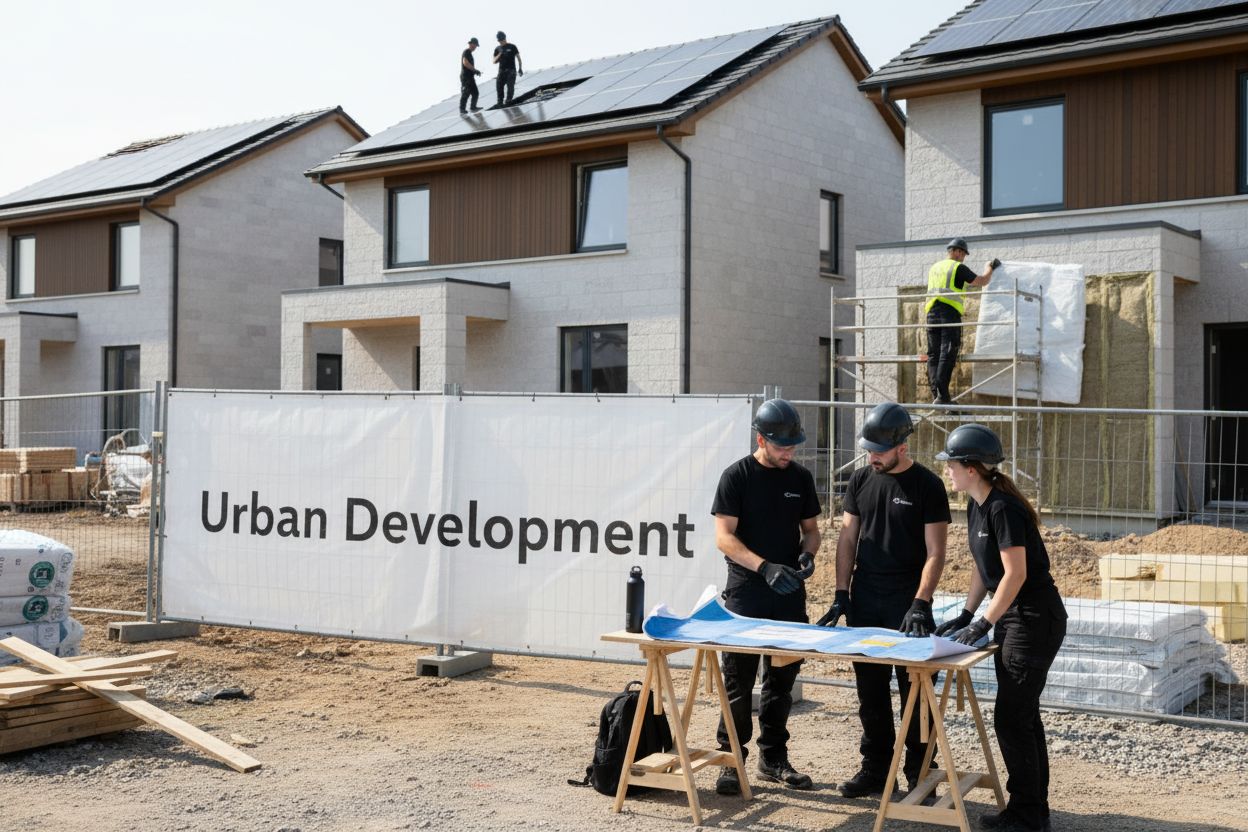
Residential construction increasingly embraces energy efficient design principles that extend beyond traditional building methodologies. Architects and urban planners now conceptualise entire neighbourhoods as interconnected energy ecosystems, where individual structures contribute to collective sustainability objectives. Passive solar design, advanced insulation technologies, and decentralised energy generation systems transform residential spaces into dynamic, self-regulating environments.
Sophisticated computational models enable precise energy performance predictions, allowing developers to implement targeted interventions that maximise efficiency. By integrating intelligent design strategies with cutting edge technologies, construction professionals create buildings that adapt dynamically to environmental conditions, significantly reducing carbon footprints and operational energy requirements.
Build Energy Efficiency into Every Project with Sustainable Steel Solutions
Modern construction calls for more than just clever design. You need materials that actively support your drive for energy efficiency and long-term cost savings. The article highlighted the challenges of selecting the right products for insulation, lifecycle durability, and thermal performance. When you work with Genesis Steel, you gain access to a wide range of hot-rolled steel sheets and plates engineered to meet these exacting energy goals. Our team understands the urgency behind choosing sustainable solutions that lower operational costs and reduce environmental impact.
Ready to future-proof your next project? Explore how our steel products support advanced energy-efficient design and help you achieve compliance with evolving sustainability standards. Discover fast lead times, expert advice, and a track record built on trust. Visit Genesis Steel now and take the next step towards a more efficient and responsible build. Secure your competitive advantage by upgrading your material selection today.
Frequently Asked Questions
What is energy efficiency in construction?
Energy efficiency in construction refers to minimizing energy consumption while ensuring optimal performance and functionality in buildings. It involves smart design, material selection, and technology integration to enhance sustainability and reduce costs.
How can architects and engineers improve energy efficiency in buildings?
Architects and engineers can improve energy efficiency by implementing advanced insulation techniques, integrating renewable energy systems, and utilizing natural light. They also use computational models to optimize building design for thermal performance and energy consumption.
What are the economic benefits of energy-efficient buildings?
Energy-efficient buildings can significantly reduce operational costs—by up to 30%—due to lower energy consumption, decreased maintenance expenses, and increased property value, making them a sound long-term investment despite higher initial costs.
What technologies are driving energy efficiency in modern construction?
Key technologies include intelligent building management systems, advanced materials designed for thermal performance, and innovations like nanotechnology and smart glass, which help optimize energy use and manage thermal environments effectively.