

Everyone talks about smarter, greener construction these days and it all comes down to the materials we use in our buildings. Most people think energy efficiency just means saving some electricity when the bill comes but Gauteng has registered over 1,689 buildings that actively follow energy efficiency standards. What really sets these materials apart is how they quietly shape the comfort, cost and sustainability of every structure around you without most people even realising it.
Table of Contents
- Defining Energy Efficient Building Materials
- The Importance Of Energy Efficiency In Construction
- How Energy Efficient Materials Function In Buildings
- Key Concepts And Technologies Behind Energy Efficiency
- Real-World Applications And Benefits In Gauteng
Quick Summary
| Takeaway | Explanation |
|---|---|
| Energy efficient materials reduce energy consumption. | These materials minimize heat transfer, leading to lower energy needs for heating and cooling. |
| Key properties include superior insulation and durability. | High thermal resistance and longevity enhance energy efficiency and sustainability in construction. |
| Select materials based on performance criteria. | Evaluate R-value, embodied energy, recyclability, and moisture resistance to ensure effective choices. |
| Energy efficiency lowers operational costs and emissions. | Implementing these strategies can lead to reduced utility expenses and a smaller carbon footprint. |
| Gauteng exemplifies energy efficient building practices. | The region showcases diverse applications that balance economic growth with environmental sustainability. |
Defining Energy Efficient Building Materials
Energy efficient building materials represent sophisticated solutions designed to minimise energy consumption while maximising thermal performance and sustainability in construction projects. These specialised materials are engineered to reduce heat transfer, improve insulation, and decrease overall energy requirements for heating, cooling, and maintaining indoor environments.
Core Characteristics of Energy Efficient Materials
At their fundamental level, energy efficient building materials possess unique properties that distinguish them from traditional construction materials. Thermal resistance stands as a primary characteristic, enabling these materials to effectively regulate internal temperatures by minimising heat exchange between interior and exterior environments.
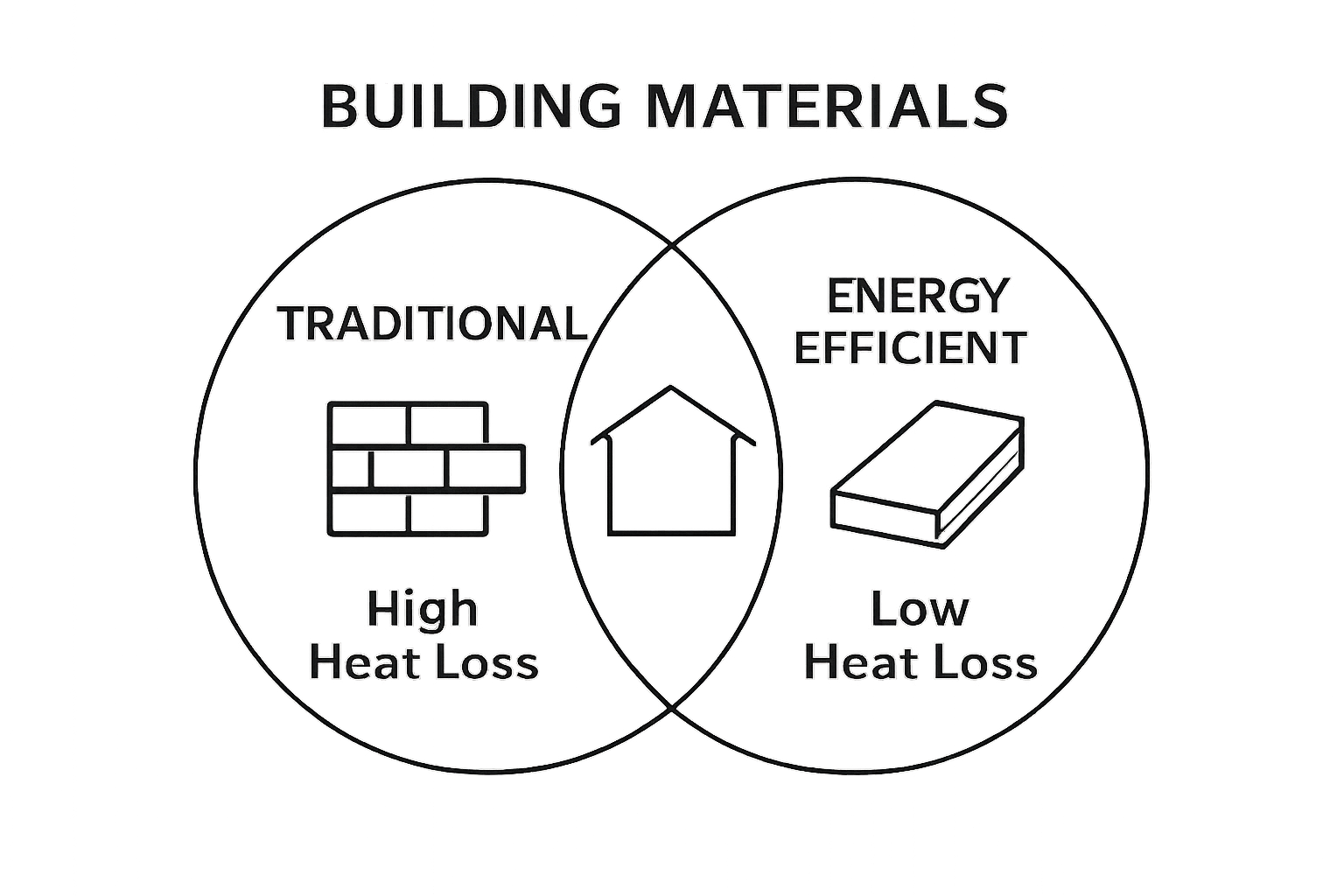
Key characteristics include:
- Superior insulation capabilities
- Low thermal conductivity
- Ability to reflect or absorb solar radiation strategically
- Enhanced durability and longevity
- Reduced environmental impact
Performance and Selection Criteria
Selecting appropriate energy efficient building materials requires comprehensive understanding of their performance metrics. According to the National Energy Efficiency Strategy, materials must demonstrate measurable improvements in energy consumption and thermal regulation.
Engineers and architects evaluate these materials based on specific parameters such as:
- R-value (thermal resistance)
- Embodied energy
- Recyclability
- Thermal mass
- Moisture resistance
Understanding these technical specifications enables construction professionals to make informed decisions that balance performance, cost-effectiveness, and environmental sustainability.
To clarify the specific factors that define energy efficient building materials, the following table outlines each characteristic alongside a concise explanation.
| Characteristic | Explanation |
|---|---|
| Superior insulation capabilities | Effectively limits heat flow, reducing energy needed for temperature control |
| Low thermal conductivity | Minimises the rate at which heat passes through the material |
| Strategic solar reflection or absorption | Manages the absorption or reflection of solar energy to optimise indoor comfort |
| Enhanced durability and longevity | Extends material lifespan, reducing replacement frequency and long-term costs |
| Reduced environmental impact | Generates fewer emissions and uses fewer resources during production and use |
| By integrating carefully selected energy efficient building materials, stakeholders can significantly reduce long-term energy expenditure while creating more comfortable and environmentally responsible built environments. |
The Importance of Energy Efficiency in Construction
Energy efficiency in construction transcends mere technological advancement, representing a critical strategic approach to addressing global environmental challenges and economic sustainability. By implementing comprehensive energy efficiency strategies, construction professionals can dramatically transform building performance, reduce operational costs, and mitigate environmental impact.
Environmental and Economic Implications
The construction sector accounts for significant global energy consumption and carbon emissions. Sustainable building practices offer a powerful mechanism for reducing environmental footprint while simultaneously generating substantial economic benefits. The integration of energy efficient materials and design principles enables substantial reductions in long-term energy expenditure and greenhouse gas emissions.
Key environmental benefits include:
- Reduced carbon emissions
- Minimised natural resource consumption
- Decreased waste generation
- Lower overall environmental degradation
- Enhanced ecological preservation
Financial and Performance Advantages
According to the Energy Efficiency Strategy of South Africa, energy efficient buildings provide significant financial advantages beyond immediate environmental considerations. Construction stakeholders can expect substantial returns through reduced operational expenses, increased property values, and improved occupant comfort.
Economic advantages encompass:
- Lower utility expenses
- Enhanced building market value
- Reduced maintenance costs
- Improved occupant productivity
- Potential government incentives and tax benefits
By prioritising energy efficiency, construction professionals transform buildings from passive structures into dynamic, responsive systems that actively contribute to sustainable development. This holistic approach ensures that modern construction practices balance technological innovation, economic pragmatism, and environmental responsibility.
The following table compares the key financial and environmental advantages of using energy efficient building materials in the construction sector.
| Advantage | Financial Benefit | Environmental Impact |
|---|---|---|
| Reduced operational costs | Lower utility bills | Lower energy demand and emissions |
| Enhanced building value | Increased resale and market value | Promotes sustainable investment |
| Reduced maintenance costs | Less frequent repairs and replacements | Fewer raw materials needed over lifespan |
| Improved productivity | Better indoor comfort for occupants | Healthier, more sustainable living or working environments |
| Potential incentives | Eligibility for rebates, grants or tax relief | Encourages wider adoption of green building practices |
How Energy Efficient Materials Function in Buildings
Energy efficient materials operate through sophisticated mechanisms designed to regulate thermal transfer, manage environmental interactions, and optimise building performance. These advanced materials function as intelligent barriers and reactive systems that dynamically respond to environmental conditions, creating more sustainable and comfortable built environments.
Thermal Regulation Mechanisms
Thermal performance represents the core functional principle of energy efficient materials. These materials employ advanced molecular structures and compositional characteristics that interrupt heat transfer processes, preventing unnecessary energy loss or gain. By creating strategic barriers against temperature fluctuations, they maintain stable internal environments while minimising energy consumption.
Primary thermal regulation strategies include:
- Reflective surface technologies
- Multilayered insulation systems
- Phase change material integration
- Adaptive thermal responsive mechanisms
- Radiant barrier implementations
Energy Transfer and Material Interactions
According to the National Energy Efficiency Strategy, energy efficient materials interact with environmental conditions through complex scientific principles. They manage energy transfer by manipulating molecular structures, creating pathways that either block or channel thermal energy strategically.
Key interaction mechanisms involve:
- Minimising conductive heat transfer
- Reducing radiative energy absorption
- Controlling moisture penetration
- Enhancing air circulation
- Implementing selective thermal barriers
By understanding and engineering material interactions at microscopic levels, construction professionals can design buildings that autonomously manage energy dynamics. These intelligent materials transform traditional construction approaches, creating structures that actively respond to environmental challenges while maintaining optimal performance and comfort.
Key Concepts and Technologies Behind Energy Efficiency
Energy efficiency technologies represent a sophisticated convergence of scientific principles, advanced material engineering, and innovative design strategies. These technologies aim to minimise energy consumption while maximising performance across building systems, creating intelligent and responsive architectural environments.
Fundamental Scientific Principles
Thermal dynamics form the foundational scientific framework underlying energy efficiency technologies. These principles focus on understanding and manipulating heat transfer mechanisms, molecular interactions, and energy transformation processes. By comprehending how energy moves through materials and systems, engineers can develop targeted strategies to reduce wastage and enhance overall building performance.
Key scientific foundations include:
- Thermodynamic transfer principles
- Molecular heat resistance mechanisms
- Quantum level energy interactions
- Electromagnetic radiation management
- Thermal conductivity calculations
Advanced Material and Technological Innovations
According to the Energy Efficiency Strategy of the Republic of South Africa, technological innovations play a crucial role in advancing energy efficiency. Modern technologies leverage nanotechnology, advanced computational modeling, and sophisticated material sciences to create intelligent building solutions that autonomously manage energy consumption.
Critical technological innovations encompass:
- Smart insulation materials
- Photovoltaic integrated building components
- Adaptive thermal regulation systems
- Nano-engineered surface technologies
- Computational energy performance simulation tools
By integrating these scientific principles and technological innovations, construction professionals can transform buildings from passive structures into dynamic, self-regulating systems. The convergence of advanced materials, computational technologies, and scientific understanding enables the creation of high-performance built environments that significantly reduce energy consumption while maintaining optimal comfort and functionality.
Real-World Applications and Benefits in Gauteng
Gauteng stands at the forefront of implementing energy efficient building materials, transforming the region’s architectural landscape through innovative sustainable practices. The province serves as a critical testing ground for advanced energy efficiency technologies, demonstrating practical applications that balance economic development with environmental responsibility.
Urban Infrastructure Transformation
Sustainable infrastructure development represents a key strategic focus for Gauteng’s construction sector. By integrating energy efficient materials into public and private buildings, the region is creating a comprehensive ecosystem of high-performance architectural solutions. These implementations extend across commercial, residential, and industrial sectors, showcasing the versatility of modern energy efficient technologies.
Significant implementation areas include:
- Government administrative buildings
- Educational institutions
- Healthcare facilities
- Commercial office complexes
- Industrial manufacturing spaces
Economic and Environmental Impact
According to the Energy Performance Certificates registry, Gauteng has registered over 1,689 buildings committed to energy efficiency standards. This strategic approach generates substantial economic benefits while simultaneously reducing carbon emissions and supporting sustainable urban development.
Key regional benefits encompass:
- Reduced operational energy costs
- Enhanced building market value
- Improved workforce productivity
- Lower carbon footprint
- Attraction of green investment
By pioneering energy efficient material applications, Gauteng demonstrates how technological innovation can create resilient, sustainable urban environments. The province’s approach illustrates a comprehensive model of integrating advanced building technologies with economic and environmental objectives, positioning itself as a national leader in sustainable infrastructure development.

Build with Confidence: Choose Steel for Energy Efficient Projects
When it comes to energy efficient building materials, many South African builders and architects struggle to find products that are both strong and effective at supporting sustainable design. The article highlights critical pain points such as minimising heat transfer, improving thermal performance, and selecting materials that are durable enough for Gauteng’s evolving infrastructure. At Genesis Steel, we understand these challenges and deliver reliable hot-rolled steel sheets and steel plates that can help you achieve your energy efficiency goals.
Looking for trusted supply and fast service as you implement your next energy efficient project? Let our extensive range and experienced team simplify your material selection. Visit Genesis Steel now to secure the steel solutions your building needs for lasting thermal performance and sustainability. Do not wait—your next step towards a stronger, greener building starts today.
Frequently Asked Questions
What are energy efficient building materials?
Energy efficient building materials are specialized construction solutions designed to minimize energy consumption while maximizing thermal performance and sustainability. They aim to reduce heat transfer and improve insulation, thereby decreasing energy requirements for heating and cooling.
How do energy efficient materials improve thermal regulation in buildings?
Energy efficient materials improve thermal regulation through various mechanisms, such as superior insulation capabilities, low thermal conductivity, and reflective surface technologies, which help maintain stable internal temperatures and minimize unwanted energy loss or gain.
What factors should be considered when selecting energy efficient building materials?
When selecting energy efficient building materials, consider performance metrics such as R-value (thermal resistance), embodied energy, recyclability, thermal mass, and moisture resistance to ensure optimal balance between performance, cost-effectiveness, and environmental sustainability.
What are the financial benefits of using energy efficient building materials?
Using energy efficient building materials can lead to substantial financial benefits, including lower utility expenses, enhanced building market value, reduced maintenance costs, and potential government incentives and tax benefits, contributing to overall economic sustainability.