

Women in manufacturing are stepping into more prominent roles, and the numbers are telling a new story. Recent research shows that women still have substantially lower economic participation rates compared to men, yet something unexpected is happening. Instead of staying on the sidelines, women are now driving technological innovation and transforming how manufacturing teams operate across South Africa.
Table of Contents
- Understanding The Current Landscape For Women In Manufacturing
- Key Challenges Facing Women In Manufacturing Roles
- The Rise Of Female Leadership In Manufacturing
- Essential Skills And Training For Women In Manufacturing
- Networking Opportunities For Women In The Industry
- Government Policies Supporting Women In Manufacturing
- Future Projections: The Role Of Women In Manufacturing By 2025
Quick Summary
| Takeaway | Explanation |
|---|---|
| Address systemic barriers for women | Organizations must implement comprehensive strategies to overcome entrenched inequalities in manufacturing workplaces. |
| Enhance mentorship and networking opportunities | Effective mentorship programs and networking initiatives can accelerate women’s career progression and reduce isolation in male-dominated environments. |
| Promote flexible work arrangements | Adaptable work policies are critical for helping women balance professional responsibilities with personal obligations, fostering gender inclusivity. |
| Invest in technical and digital skills training | Providing robust training in advanced technologies will empower women to thrive in evolving manufacturing landscapes. |
| Recognize women’s contributions to leadership | Acknowledging women’s strengths in management and innovation is key to driving organizational change and improving performance. |
1: Understanding the Current Landscape for Women in Manufacturing
The manufacturing sector has long been characterized by gender disparities that limit women’s professional advancement and representation. While progress has been gradual, understanding the current landscape reveals complex challenges and emerging opportunities for women in manufacturing in 2025.
Recent research from the Human Sciences Research Council indicates significant barriers facing women in industrial sectors. The economic participation rates for women remain substantially lower compared to their male counterparts, reflecting systemic challenges deeply embedded in workplace cultures and structural inequalities.
Key challenges confronting women in manufacturing include:
-
Limited access to technical training and skill development programs
-
Persistent gender stereotypes about women’s capabilities in technical roles
-
Inadequate mentorship and career progression pathways
-
Workplace environments that often feel unwelcoming or exclusionary
The manufacturing landscape is gradually transforming, with forward-thinking organizations recognizing that gender diversity isn’t just a social imperative but a strategic business advantage. Companies implementing inclusive policies are discovering tangible benefits such as enhanced innovation, improved problem solving, and more robust organizational performance.
Statistical evidence suggests that women bring unique perspectives and skill sets to manufacturing environments. Their collaborative approaches, attention to detail, and multitasking capabilities are increasingly valued in complex industrial settings. This shift represents more than tokenistic representation it signals a fundamental reimagining of workforce dynamics.
Understanding this landscape requires acknowledging both historical constraints and emerging opportunities. Sustainable change demands comprehensive strategies that address systemic barriers and create genuinely inclusive work environments. For more insights into industrial steel processing techniques that support diverse workforce development, explore our guide on welding steel plates in Gauteng.
As manufacturing continues evolving, women are not just participants but increasingly becoming drivers of technological innovation and operational excellence.
2: Key Challenges Facing Women in Manufacturing Roles
Women in manufacturing continue to navigate a complex professional landscape marked by substantial systemic challenges that impede their career progression and workplace experience. Understanding these barriers is crucial for developing targeted strategies to promote gender inclusivity in industrial environments.
Research from the SA Journal of Industrial Psychology highlights the multifaceted challenges confronting women in manufacturing roles. These challenges extend beyond simple representation and touch on deep-rooted organizational cultural dynamics.
Key persistent challenges include:
-
Pervasive gender stereotypes about technical competence
-
Limited opportunities for skills development and training
-
Unequal compensation structures compared to male counterparts
-
Workplace cultures that remain predominantly male-oriented
Workplace discrimination manifests through subtle yet profound mechanisms. Women frequently report experiencing microaggressions, being overlooked for critical assignments, and facing implicit bias during performance evaluations. These experiences create invisible barriers that significantly impact professional growth and organizational engagement.
The intersection of professional and personal responsibilities presents another substantial challenge. Women in manufacturing often struggle with balancing demanding work schedules against familial obligations, a tension that disproportionately affects their career trajectories. Flexible work arrangements and supportive organizational policies are critical for addressing these structural inequities.
Technological transformation in manufacturing further complicates women’s professional landscape. Rapid technological shifts require continuous upskilling, and women frequently encounter additional obstacles in accessing advanced training programs. This technological gender divide can potentially marginalize women from emerging high-skill manufacturing roles.
Training and mentorship programs represent crucial interventions for addressing these systemic challenges. Organizations must proactively create supportive ecosystems that not only recruit women but also provide comprehensive professional development pathways. Explore our guide on welding steel plates in Gauteng to understand how technical skill development can support women’s advancement in manufacturing.
3: The Rise of Female Leadership in Manufacturing
The manufacturing landscape is experiencing a transformative shift with women increasingly occupying leadership roles, challenging traditional male-dominated paradigms and driving organizational innovation. This progression represents more than a mere statistical change it signifies a fundamental reimagining of leadership dynamics in industrial sectors.
According to government data from the Women Economic Assembly, women are progressively breaking through historical barriers and establishing themselves as critical decision makers in manufacturing environments.
Key indicators of female leadership emergence include:
-
Increasing representation in senior management positions
-
Growing entrepreneurial initiatives in manufacturing
-
Enhanced technological innovation driven by diverse perspectives
Women leaders are bringing distinctive strengths to manufacturing leadership, characterized by collaborative problem solving, holistic strategic thinking, and exceptional emotional intelligence. These attributes are proving instrumental in navigating complex industrial challenges and driving organizational resilience.
The transformation extends beyond individual achievements. Organizational cultures are gradually becoming more inclusive, recognizing that gender diversity is not just a social imperative but a strategic business advantage. Companies implementing robust diversity strategies are experiencing tangible benefits such as improved team performance, enhanced creativity, and more adaptive workplace environments.
Technological proficiency is another critical dimension of women’s leadership emergence. Modern manufacturing leaders must navigate increasingly complex digital landscapes, and women are demonstrating remarkable adaptability in integrating advanced technologies, data analytics, and innovative management approaches.
Government initiatives and corporate policies are playing a crucial role in accelerating this leadership transformation. Targeted mentorship programs, leadership development initiatives, and preferential procurement policies are creating structured pathways for women’s professional advancement.
For professionals interested in understanding technical capabilities that support leadership development, explore our guide on welding steel plates in Gauteng, which offers insights into skill development in manufacturing environments.
The rise of female leadership in manufacturing is not just a trend it represents a fundamental restructuring of industrial workforce dynamics.
4: Essential Skills and Training for Women in Manufacturing
The manufacturing sector demands a sophisticated blend of technical expertise, digital literacy, and adaptive skills for women seeking meaningful career advancement. Training programs must evolve beyond traditional technical instruction to encompass comprehensive professional development strategies.
According to UN Women’s African Girls Can Code Initiative, emerging training models emphasize technological fluency and interdisciplinary competencies.
Essential skill sets for women in manufacturing include:
-
Advanced digital technology proficiency
-
Data analytics and interpretation capabilities
-
Complex problem solving techniques
-
Adaptive technological learning frameworks
Technical training must integrate both hard and soft skill development. This holistic approach recognizes that successful manufacturing professionals require more than mechanical expertise they need robust communication, leadership, and collaborative capabilities.
Digital transformation is reshaping skill requirements. Women must develop capabilities in artificial intelligence, machine learning, robotics, and advanced manufacturing technologies. Continuous learning becomes paramount, with professionals needing to update their technological knowledge consistently.
Government and industry partnerships are crucial in designing targeted training interventions. Specialized programs that provide practical skills, mentorship, and real world exposure can dramatically accelerate women’s professional integration into manufacturing environments.
Psychological preparedness is equally significant. Training programs must address confidence building, negotiation skills, and strategies for navigating male dominated workplace cultures. Emotional intelligence and resilience are as critical as technical competence.
For professionals interested in understanding technical skill development, explore our comprehensive guide on steel welding techniques which offers insights into practical manufacturing skills.
Training is not just about acquiring skills it is about empowering women to become transformative leaders in the manufacturing ecosystem.
5: Networking Opportunities for Women in the Industry
Networking represents a critical catalyst for professional growth and advancement in the manufacturing sector, offering women strategic pathways to expand their professional horizons, share knowledge, and create transformative career opportunities.
According to the Technology Innovation Agency, targeted networking initiatives are crucial for supporting women’s professional development in technical industries.
Effective networking strategies for women in manufacturing include:
-
Participating in industry-specific professional associations
-
Attending technological conferences and workshops
-
Engaging with online professional platforms
-
Creating mentorship connection networks
Digital platforms have revolutionized networking possibilities, enabling women to connect across geographical boundaries and organizational hierarchies. Virtual conferences, webinars, and professional social media channels provide unprecedented opportunities for knowledge exchange and professional visibility.
Professional associations play a pivotal role in creating supportive ecosystems. Organizations dedicated to women in manufacturing offer structured networking environments, skill development workshops, and platforms for sharing experiences and challenging systemic barriers.
Mentorship programs emerge as particularly powerful networking mechanisms. Structured mentorship connections can dramatically accelerate career progression, providing women with direct access to experienced professionals who can offer guidance, share strategic insights, and help navigate complex organizational landscapes.
Technology and innovation networks are especially significant. These platforms not only facilitate professional connections but also create spaces for collaborative problem solving, technological knowledge sharing, and collective advancement of women’s roles in manufacturing.
For professionals seeking to enhance their technical understanding and networking capabilities, explore our comprehensive guide on steel welding techniques, which offers insights into industry-specific skill development.
Networking is more than exchanging business cards it is about building meaningful professional relationships that drive collective progress and individual empowerment in the manufacturing ecosystem.
6: Government Policies Supporting Women in Manufacturing
Government policies are increasingly recognizing the critical role of women in manufacturing, creating strategic frameworks that address historical inequities and promote meaningful economic participation. These policy interventions represent a comprehensive approach to transforming industrial workforce dynamics.
According to the Expanded Public Works Programme, targeted government initiatives are driving substantial changes in women’s economic opportunities.
Key policy strategies supporting women in manufacturing include:
-
Preferential procurement mechanisms
-
Skills development funding
-
Legislative frameworks promoting gender equity
-
Tax incentives for women owned businesses
Procurement policies have emerged as a powerful tool for economic transformation. The government’s commitment to allocating significant public procurement opportunities to women owned businesses creates direct pathways for economic empowerment and sustainable entrepreneurial development in manufacturing sectors.
Legislative frameworks are progressively addressing systemic barriers. Policies now mandate minimum representation quotas, equal pay considerations, and comprehensive protection against workplace discrimination. These legal interventions create structured environments that support women’s professional advancement.
Skills development funding represents another critical policy intervention. Government sponsored training programs, technology transfer initiatives, and entrepreneurship support mechanisms are designed to equip women with advanced technical capabilities required in modern manufacturing environments.
Tax incentive structures are being redesigned to encourage women’s participation in manufacturing. These financial mechanisms provide tangible support for women entrepreneurs, reducing initial business establishment barriers and promoting sustainable economic participation.
For professionals interested in understanding technical capabilities that complement these policy initiatives, explore our comprehensive guide on steel welding techniques, which offers insights into skill development opportunities.
Government policies are not just regulatory frameworks they are strategic instruments for creating a more inclusive, equitable, and dynamically innovative manufacturing ecosystem.
7: Future Projections: The Role of Women in Manufacturing by 2025
The manufacturing landscape is poised for a transformative shift in gender representation and leadership dynamics, with women positioned to play increasingly pivotal roles in technological innovation, strategic decision making, and organizational development.
According to Statistics South Africa, recent data indicates promising trends in women’s professional advancement, particularly in management positions.
Key projected developments for women in manufacturing include:
-
Accelerated technological skill integration
-
Enhanced leadership representation
-
Increased entrepreneurial opportunities
-
Expanded interdisciplinary collaboration
Technological proficiency will become a defining characteristic of women’s participation in manufacturing. Artificial intelligence, advanced robotics, data analytics, and digital transformation technologies will require sophisticated skills that women are increasingly demonstrating exceptional capabilities in developing and implementing.
Leadership representation is expected to undergo significant evolution. Younger women are demonstrating remarkable potential in middle and senior management roles, challenging traditional hierarchical structures and bringing innovative perspectives to organizational strategy and operational execution.
Entrepreneurial ecosystems will provide expanded opportunities for women to establish and grow manufacturing enterprises. Government policy support, targeted funding mechanisms, and evolving workplace cultures are creating more conducive environments for women owned businesses to thrive.
The intersection of manufacturing with technology, sustainability, and social innovation presents unprecedented opportunities. Women are uniquely positioned to drive interdisciplinary approaches that integrate technological efficiency with human centric design principles.
For professionals seeking to understand the technical foundations supporting these future projections, explore our comprehensive guide on steel welding techniques, which offers insights into emerging industry capabilities.
The future of manufacturing is not just about technological advancement it is about creating inclusive, dynamic ecosystems where diverse talents can flourish and drive collective progress.
Below is a comprehensive table summarising the article’s key trends, challenges, opportunities, and projections for women in South African manufacturing by 2025.
| Trend/Section | Main Points/Challenges | Opportunities/Benefits |
|---|---|---|
| Current Landscape | Persistent gender disparities, low economic participation, stereotype barriers, lack of mentorship | Diversity drives innovation, inclusive policies improve performance |
| Key Challenges | Gender stereotypes in technical roles, fewer training and growth pathways, work-life balance issues | Flexible work, mentorship, and upskilling critical for progress |
| Female Leadership | Growing women in management and entrepreneurship, collaborative and innovative approaches | Inclusive culture boosts creativity and organisational resilience |
| Essential Skills & Training | Need for digital literacy, technical and soft skills, confidence, and adaptability | Targeted training empowers women as leaders and technical experts |
| Networking Opportunities | Limited access to professional networks in a male-dominated sector | Digital and in-person networks accelerate career growth and support |
| Government Policies | Preferential procurement, equity laws, training funds, tax incentives | Policies directly support women’s economic empowerment in manufacturing |
| Future Projections (by 2025) | Technological upskilling, more women in leadership, greater entrepreneurship, interdisciplinary innovation | Women pivotal in shaping inclusive, tech-driven, and resilient sector |
Empowering Women to Shape the Future of Manufacturing
Are you inspired by what women are achieving across South Africa’s manufacturing sector but worried about finding a partner who truly values diversity and technical skill? The journey towards closing gender gaps and offering real leadership opportunities starts with trusted suppliers who understand how crucial high-quality materials and responsive service are for your projects. Explore our range of solutions in our Uncategorised Archives to see how we support women-owned businesses and teams every day.
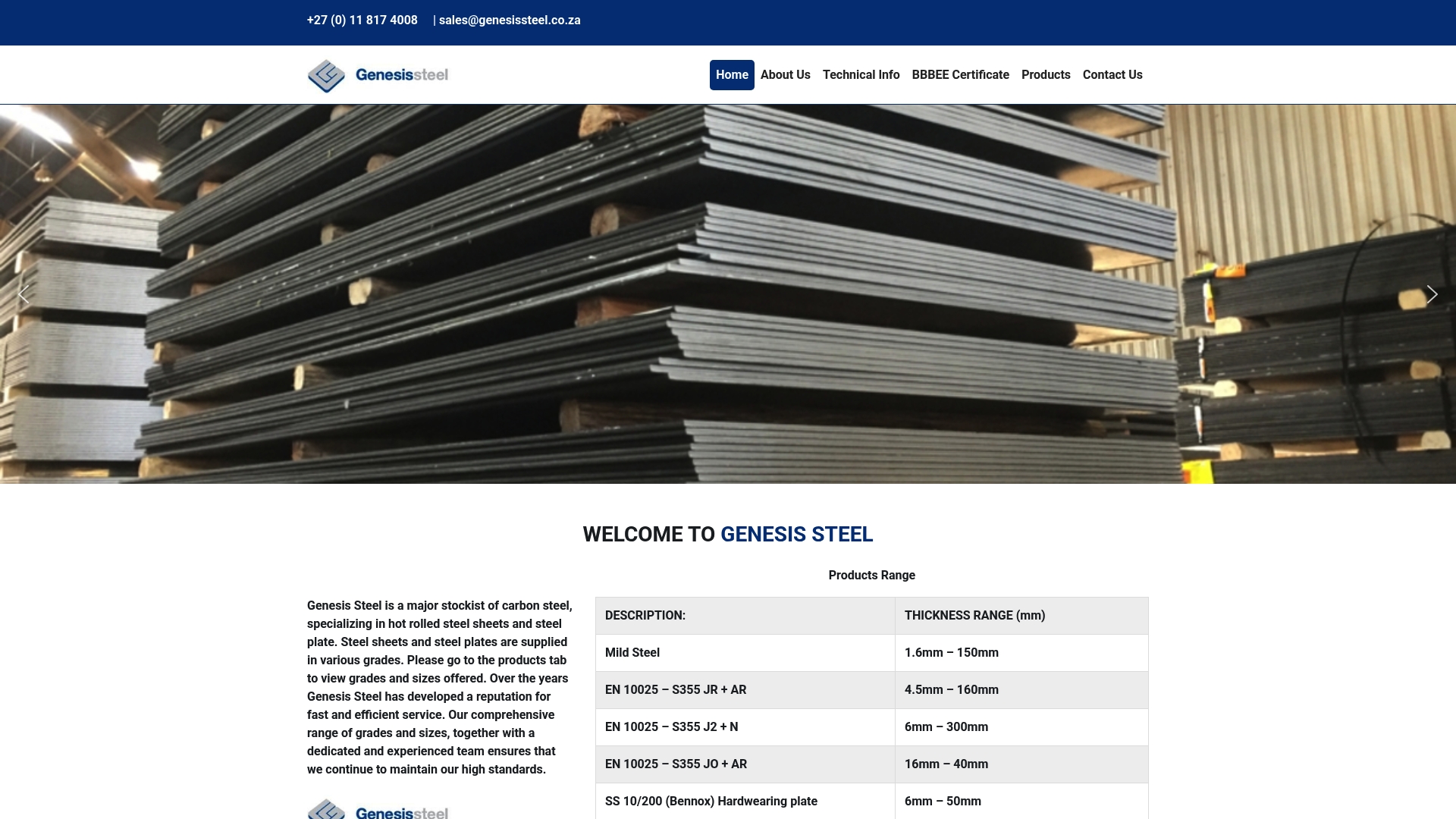
Choose a supplier who helps you move beyond common obstacles like limited skills access and tough project deadlines. With Genesis Steel, you gain not just top-grade hot-rolled steel sheets and plates but a dedicated team who respects your ambitions. Visit our full website now to discover how we can help your business grow stronger and more competitive. Let us be part of your next big achievement in manufacturing.
Frequently Asked Questions
What are the main challenges women face in the manufacturing sector?
Women in manufacturing encounter challenges such as limited access to technical training, persistent gender stereotypes, inadequate mentorship opportunities, and unwelcoming workplace environments.
How is the representation of women in leadership roles within manufacturing changing?
Women are increasingly occupying leadership roles in manufacturing, demonstrating strengths in collaborative problem-solving and innovation, which is reshaping organizational dynamics and promoting inclusivity.
What essential skills should women focus on developing for a career in manufacturing?
Women should develop skills in advanced digital technology, data analytics, complex problem-solving, and effective communication to thrive in manufacturing environments characterized by rapid technological change.
How can government policies support women in the manufacturing industry?
Government policies can support women through preferential procurement opportunities, skills development funding, legislative frameworks for gender equity, and tax incentives for women-owned businesses.