

Steel is everywhere from skyscraper frames to the cars cruising South Africa’s highways. People often see it as tough, practical, and impossible to live without. But almost nobody realises steel production is responsible for about 7 to 9 percent of all global industrial carbon emissions. The surprise is not just how massive that impact is. It is how quickly new technology is already cutting energy use by half per tonne of steel compared to thirty years ago. Some of the most polluting factories are becoming cleaner faster than anyone expected.
Table of Contents
- What Is Steel and Its Role In Industry?
- Why Understanding The Environmental Impact Of Steel Matters
- How Steel Production Affects The Environment
- Key Concepts: Emissions, Resource Use, And Sustainability
- Strategies For Mitigating Steel’s Environmental Impact
Quick Summary
| Takeaway | Explanation |
|---|---|
| Steel is vital for industry | Steel forms the backbone of global infrastructure and manufacturing, essential across multiple sectors. |
| High carbon emissions from production | Steel manufacturing accounts for 7-9% of global industrial carbon emissions, necessitating sustainable practices. |
| Resource extraction disrupts ecosystems | Mining for iron ore can lead to habitat destruction, affecting biodiversity and local environmental systems. |
| Innovate to reduce environmental impact | Developing technologies like hydrogen-based reduction can greatly minimize steel’s ecological footprint. |
| Policies drive sustainable practices | Comprehensive policy frameworks can incentivize manufacturers to adopt greener technologies and set emission standards. |
What is Steel and Its Role in Industry?
Steel represents a critical metallic material fundamental to modern industrial development, serving as the backbone of global infrastructure, manufacturing, and technological advancement. At its core, steel is an alloy primarily composed of iron and carbon, with additional elements like chromium, nickel, and manganese strategically incorporated to enhance specific material properties.
The Fundamental Composition of Steel
The production of steel involves carefully controlled metallurgical processes that transform raw iron into a versatile and robust material. By adjusting carbon content typically between 0.2% to 2.1%, manufacturers can create steel with remarkable variations in strength, ductility, and durability. Learn more about steel production techniques that enable engineers and designers to craft materials tailored for diverse industrial applications.
Key characteristics of steel that make it indispensable in industry include:
- Exceptional structural integrity and load-bearing capacity
- High resistance to mechanical stress and environmental degradation
- Remarkable adaptability across multiple manufacturing domains
Industrial Applications and Economic Importance
Steel plays a pivotal role across numerous sectors, from construction and automotive manufacturing to renewable energy infrastructure and advanced technological equipment. According to research from the University of Pretoria, the global steel industry contributes substantially to economic productivity while simultaneously facing significant challenges related to environmental sustainability.
Industrial sectors heavily dependent on steel include:
- Infrastructure development (bridges, buildings, transportation networks)
- Manufacturing of machinery and equipment
- Automotive and aerospace engineering
- Energy production and transmission systems
The continuous evolution of steel production techniques demonstrates the material’s incredible potential to adapt to changing technological and environmental demands, positioning it as a critical resource in humanity’s ongoing industrial and technological progress.
Why Understanding the Environmental Impact of Steel Matters
Steel production represents a significant contributor to global environmental challenges, making its comprehensive environmental assessment critically important for sustainable industrial development. Understanding the complex environmental implications of steel manufacturing enables industries, policymakers, and consumers to make more informed, responsible decisions that balance economic needs with ecological preservation.
Carbon Emissions and Climate Change
Steel manufacturing is a substantial source of global carbon dioxide emissions, accounting for approximately 7-9% of worldwide industrial greenhouse gas production. The energy-intensive processes involved in extracting iron ore, smelting, and transforming raw materials into steel require immense heat and electricity, predominantly generated from fossil fuel sources. Explore sustainable steel lifecycle strategies that can help mitigate these environmental impacts and promote more responsible production methods.
Key environmental challenges associated with traditional steel production include:
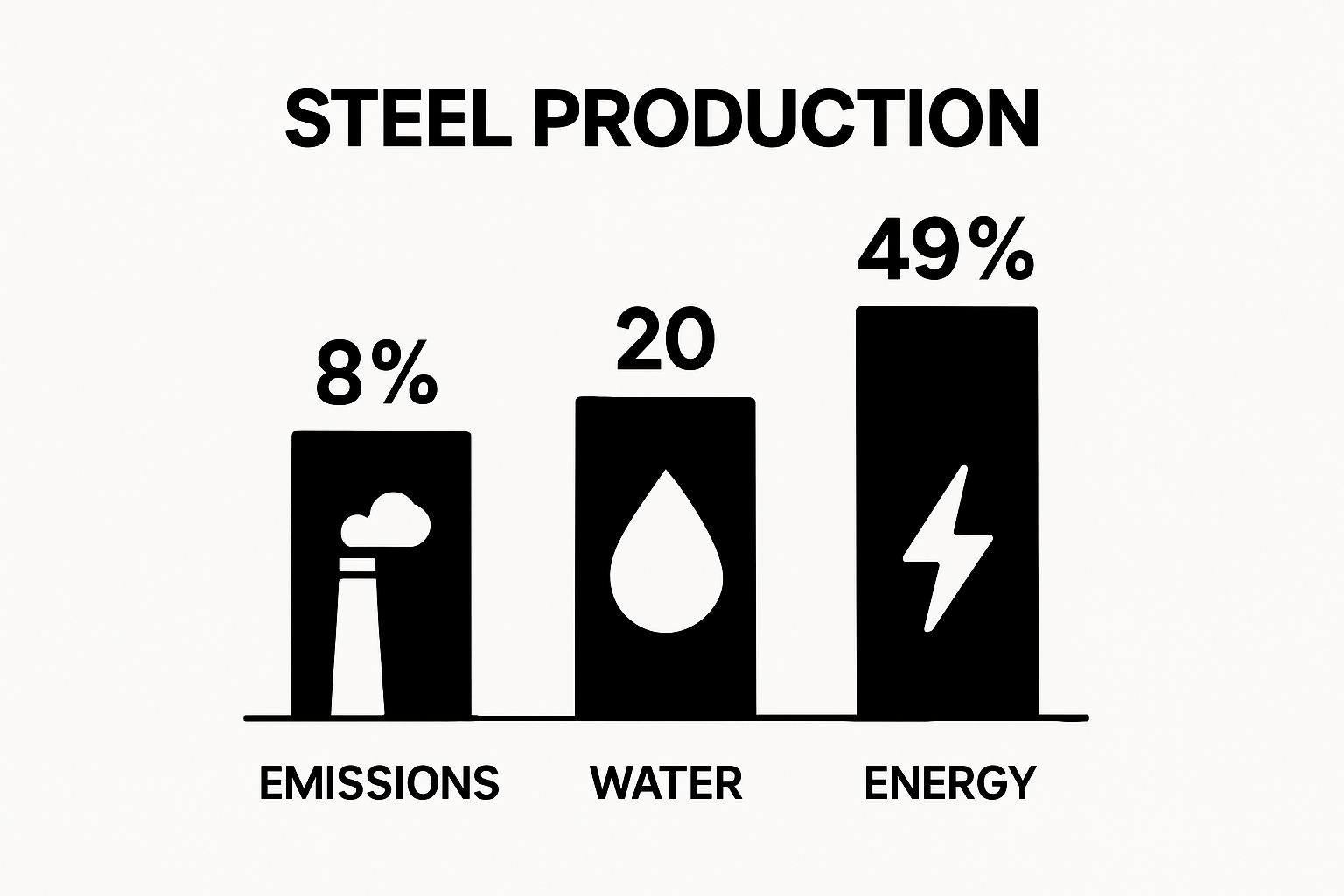
- High energy consumption and carbon footprint
- Significant water usage and potential water resource depletion
- Generation of industrial waste and potential soil contamination
Resource Extraction and Ecosystem Disruption
According to research from the South African Iron and Steel Institute, steel production involves extensive raw material extraction that can cause substantial ecosystem disruption. Iron ore mining often requires large-scale land clearance, potentially destroying natural habitats, altering local landscapes, and impacting biodiversity. The environmental footprint extends beyond immediate production sites, affecting regional ecological systems and contributing to long-term environmental degradation.
Below is a table outlining the main environmental impacts associated with different stages of steel production for quick reference.
| Stage of Steel Production | Main Environmental Impact | Description |
|---|---|---|
| Iron Ore Mining | Ecosystem Disruption | Large-scale land clearance, habitat destruction, and biodiversity loss |
| Smelting/Reduction | High Carbon Emissions | Fossil fuels burnt for heat release immense CO₂ and GHGs |
| Manufacturing/Processing | High Energy & Water Consumption | Huge electricity and water use leads to resource depletion |
| Waste Handling | Soil and Water Contamination | Industrial waste can leach heavy metals and chemicals locally |
| Cooling & Cleaning | Water Contamination & Thermal Pollution | Wastewater and heat can damage aquatic systems |
Critical environmental considerations in steel production encompass:
- Landscape transformation through mining activities
- Potential contamination of soil and groundwater resources
- Disruption of local flora and fauna ecosystems
- Greenhouse gas emissions throughout the production chain
Recognizing these environmental challenges is not about halting industrial progress but developing more sustainable, innovative approaches that balance economic necessities with ecological responsibilities. By understanding steel’s environmental impact, industries can work towards developing greener technologies, implementing circular economy principles, and creating more sustainable manufacturing processes that minimize environmental harm while maintaining industrial productivity.
How Steel Production Affects the Environment
Steel production is a complex industrial process with far-reaching environmental consequences that extend well beyond immediate manufacturing sites. The intricate journey from raw material extraction to final steel product involves multiple stages that collectively generate significant environmental impacts, challenging industries to develop more sustainable approaches.
Energy Consumption and Greenhouse Gas Emissions
The steel manufacturing process is exceptionally energy-intensive, primarily relying on fossil fuel-based technologies that contribute substantially to global carbon emissions. Blast furnaces and basic oxygen furnaces require tremendous heat, typically generated through coal combustion, which releases substantial volumes of carbon dioxide into the atmosphere. Explore innovative steel production techniques that are working to reduce these environmental challenges and develop more sustainable manufacturing methods.
Key environmental challenges in steel production energy systems include:
- High carbon dioxide emissions during iron ore reduction
- Significant electricity consumption throughout manufacturing stages
- Substantial methane and nitrous oxide release during processing
Water Resource Depletion and Contamination
According to research from the South African Iron and Steel Institute, steel production requires enormous water volumes for cooling, cleaning, and processing activities. This extensive water usage creates multiple environmental pressures, including potential groundwater depletion and industrial contamination. The manufacturing process generates complex wastewater streams containing heavy metals, chemical compounds, and thermal pollution that can severely impact local aquatic ecosystems.
Critical water-related environmental considerations in steel production encompass:
- Significant water consumption across multiple production stages
- Potential groundwater contamination from industrial runoff
- Thermal pollution affecting local river and stream ecosystems
- Chemical waste generation during processing and treatment
Understanding these environmental interactions is crucial for developing more sustainable steel production methodologies. By recognizing the complex ecological footprint of steel manufacturing, industries can innovate towards cleaner technologies, implement circular economy principles, and develop more environmentally responsible production strategies that balance industrial requirements with ecological preservation.
Key Concepts: Emissions, Resource Use, and Sustainability
Navigating the complex landscape of steel production requires a comprehensive understanding of its environmental implications. The intersection of industrial productivity and ecological responsibility demands nuanced approaches that balance economic needs with sustainable practices. By examining emissions, resource utilization, and long-term sustainability strategies, industries can develop more environmentally conscious manufacturing methodologies.
Carbon Emissions and Reduction Strategies
Carbon emissions represent the most critical environmental challenge in steel production. Traditional manufacturing processes generate substantial greenhouse gases, with steel production accounting for approximately 7-9% of global industrial carbon dioxide releases. Discover sustainable steel recycling methods that can significantly reduce the industry’s carbon footprint and promote more environmentally responsible production techniques.
Key emission reduction strategies include:
- Implementing hydrogen-based direct reduction technologies
- Transitioning to renewable energy sources for manufacturing
- Developing energy-efficient production processes
- Enhancing carbon capture and storage technologies
Resource Optimization and Circular Economy
According to research from the South African Iron and Steel Institute, the steel industry has made significant strides in reducing energy consumption, demonstrating the potential for more sustainable resource management. Over the past three decades, manufacturers have achieved a remarkable 50% reduction in energy usage per tonne of steel produced, highlighting the industry’s commitment to resource optimization and efficiency.
Critical considerations for sustainable resource management encompass:
- Maximizing material recycling and reuse
- Reducing water consumption in manufacturing processes
- Minimizing waste generation through innovative design
- Implementing closed-loop production systems
Sustainability in steel production represents more than an environmental imperative it is a strategic approach to industrial development. By integrating advanced technologies, circular economy principles, and innovative manufacturing techniques, the steel industry can progressively reduce its ecological footprint while maintaining economic viability and technological advancement.
The following table compares key strategies for minimising the environmental impact of steel, highlighting their approach and core benefits.
| Strategy | Approach | Key Benefit |
|---|---|---|
| Hydrogen-Based Direct Reduction | Replaces coal with hydrogen | Dramatically lowers CO₂ emissions |
| Renewable Energy Transition | Uses solar/wind for production | Reduces reliance on fossil fuels |
| Carbon Capture and Storage | Captures emissions at source | Prevents CO₂ from reaching atmosphere |
| Enhanced Steel Recycling | Encourages use of scrap steel | Conserves resources and saves energy |
| Water Efficiency Optimisation | Treats and reuses wastewater | Curtails water demand and pollution |
| Policy and Regulatory Incentives | Sets standards and financial rewards | Drives industry-wide clean practices |
Strategies for Mitigating Steel’s Environmental Impact
Addressing the environmental challenges associated with steel production requires a multifaceted approach that integrates technological innovation, policy frameworks, and industrial transformation. Manufacturers and policymakers must collaborate to develop comprehensive strategies that reduce carbon emissions, optimize resource utilization, and promote sustainable manufacturing practices.
Technological Innovations and Green Manufacturing
Technological advancements represent a critical pathway towards reducing the environmental footprint of steel production. Emerging technologies offer promising solutions for transforming traditional manufacturing processes. Learn about sustainable steel recycling techniques that can significantly contribute to reducing industrial environmental impacts and promoting circular economy principles.
Key technological strategies for environmental mitigation include:
- Implementing hydrogen-based direct reduction technologies
- Developing advanced carbon capture and storage systems
- Integrating artificial intelligence for energy optimization
- Exploring alternative renewable energy sources for manufacturing
Policy and Regulatory Framework Development
According to Deputy Minister Fikile Majola’s policy statement, comprehensive policy frameworks are essential for driving industrial decarbonization. Regulatory mechanisms can incentivize manufacturers to adopt more sustainable practices, create economic pathways for green technology implementation, and establish clear environmental performance standards for the steel industry.
Critical policy and regulatory considerations encompass:
- Implementing carbon pricing and taxation mechanisms
- Developing robust environmental reporting standards
- Creating financial incentives for green technology adoption
- Establishing mandatory emissions reduction targets
Transitioning towards more sustainable steel production is not merely an environmental imperative but a strategic economic opportunity. By integrating innovative technologies, supportive policy frameworks, and industry-wide collaboration, manufacturers can progressively reduce their ecological footprint while maintaining technological competitiveness and economic resilience.
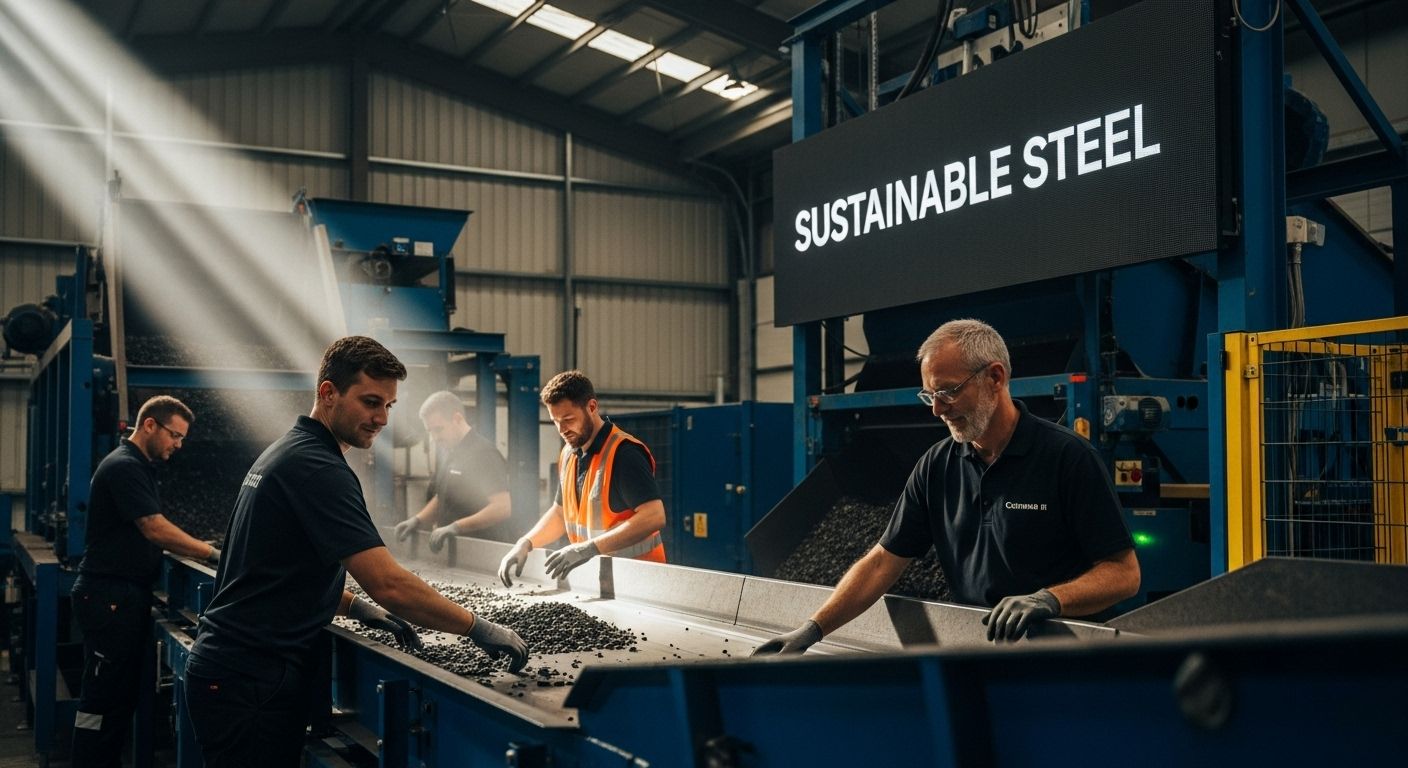
Choose Responsibly: Make an Impact with Eco-Conscious Steel Solutions
Are you concerned about the environmental impact of steel and how your choices as a business contribute to sustainability? The article explored important challenges such as carbon emissions, resource efficiency and responsible sourcing within the steel industry. Now you can act on these concerns by partnering with a supplier that understands the urgency of sustainable steel supply and solutions. For more on how we keep our finger on the pulse of steel sector developments, visit our Uncategorised Archives for ongoing insights.
Take the lead by sourcing your steel sheets and plates from Genesis Steel. Our commitment to offering a comprehensive range of grades and sustainable sourcing practices is your guarantee of both quality and responsibility. Do not wait to align your supply chain with an expert partner dedicated to fast, efficient service and long-term ecological balance. Ready to secure the right steel for your business while making smarter environmental choices? Start today at https://genesissteel.co.za and let our experienced team support your sustainability goals.
Frequently Asked Questions
What are the main environmental impacts of steel production?
Steel production significantly contributes to carbon emissions, water resource depletion, and ecosystem disruption due to extensive mining activities. Additionally, it generates industrial waste that can contaminate soil and water resources.
How do carbon emissions from steel production affect climate change?
Steel production accounts for approximately 7-9% of global industrial carbon dioxide emissions. The energy-intensive processes used in steel manufacturing are primarily reliant on fossil fuels, contributing to climate change and global warming.
What strategies can be implemented to reduce the environmental impact of steel?
Strategies include using hydrogen-based direct reduction technologies, transitioning to renewable energy sources, enhancing energy efficiency, and implementing carbon capture and storage systems in the production process.
How does water usage in steel production impact local ecosystems?
Steel production requires vast amounts of water for cooling and processing, which can lead to groundwater depletion, contamination from industrial runoff, and thermal pollution, adversely affecting local aquatic ecosystems.