

Sustainability in manufacturing is changing the face of industry across South Africa. Every year, companies that shift to sustainable practices report significant cost savings and stronger market positions. Most people think going green is just about ticking environmental boxes. Instead, it is fast becoming the smartest business move a manufacturer can make.
Table of Contents
- What Is Sustainability In Manufacturing?
- Why Sustainability Matters In The Manufacturing Sector
- How Sustainability Practices Transform Manufacturing Processes
- Key Concepts Behind Sustainable Manufacturing Strategies
Quick Summary
| Takeaway | Explanation |
|---|---|
| Adopt sustainable manufacturing for economic benefits | Implementing sustainable practices can lead to cost savings, enhanced efficiency, and improved market positioning. |
| Implement circular systems to reduce waste | Circular economy principles help in minimizing waste and maximizing resource utilization through innovative design and recycling. |
| Integrate technology for operational efficiency | Advanced technologies like AI and IoT can optimize production processes and monitor environmental impacts in real-time. |
| Focus on employee health and safety | Protecting worker health is a crucial aspect of sustainable manufacturing, contributing to overall organizational success. |
| Develop comprehensive sustainability frameworks | A holistic approach to sustainability involves integrating environmental considerations across all stages of production and business strategy. |
What is Sustainability in Manufacturing?
Sustainability in manufacturing represents a strategic approach transforming industrial production by integrating environmental responsibility, economic efficiency, and social consciousness. This comprehensive concept goes beyond traditional manufacturing paradigms, focusing on creating products while minimising negative environmental impacts and maximising resource utilisation.
Defining Sustainable Manufacturing Practices
Sustainable manufacturing involves designing, producing, and distributing products using methods that conserve energy, minimise waste, and reduce ecological footprints. Explore our steel production insights to understand how industrial processes can become more environmentally responsible.
Key characteristics of sustainable manufacturing include:
- Minimising resource consumption
- Reducing greenhouse gas emissions
- Implementing circular economy principles
- Protecting worker health and safety
- Creating long-term economic value
Environmental and Economic Implications
According to research from South African sustainable development experts, sustainable manufacturing is not just an environmental necessity but an economic opportunity. Manufacturers who adopt sustainable practices can achieve significant cost savings through improved efficiency, reduced waste, and enhanced brand reputation.
The transition towards sustainable manufacturing requires a holistic approach that balances technological innovation, environmental stewardship, and economic pragmatism. By reimagining production processes, businesses can create value while contributing to broader societal and ecological well-being.
Why Sustainability Matters in the Manufacturing Sector
Sustainability has become a critical imperative for the manufacturing sector, transcending environmental concerns to become a strategic business necessity. Manufacturers are recognising that sustainable practices are not just ethical choices but fundamental drivers of competitive advantage, operational efficiency, and long-term economic resilience.
Economic and Competitive Advantages
In the contemporary industrial landscape, sustainability directly influences market positioning and economic performance. Learn about our sustainable steel lifecycle to understand how strategic resource management creates value. Companies that integrate sustainable practices experience significant benefits:
- Reduced operational costs through efficient resource utilisation
- Enhanced brand reputation and market differentiation
- Improved investor and stakeholder confidence
- Access to new markets and green procurement opportunities
- Mitigation of future regulatory and environmental risks
Environmental and Social Impact
According to research from Trade & Industrial Policy Strategies, sustainable manufacturing represents a transformative approach to industrial development. Beyond environmental preservation, it addresses broader socio-economic challenges by creating more resilient, adaptive, and responsible industrial ecosystems.
The manufacturing sector plays a pivotal role in addressing global challenges like climate change, resource depletion, and social inequality.
To help clarify the key benefits of sustainable manufacturing, the following table outlines the core economic, environmental, and social advantages described in the article.
| Advantage Category | Description |
|---|---|
| Economic Efficiency | Reduced operational costs, improved resource utilisation, and stronger market positioning. |
| Competitive Differentiation | Enhanced brand reputation, increased investor confidence, and access to new markets. |
| Environmental Stewardship | Lower greenhouse gas emissions, reduced waste, and resource conservation. |
| Social Responsibility | Creation of meaningful employment and improved worker health and safety. |
| Risk Mitigation | Decreased regulatory, environmental, and market risks through proactive, adaptive strategies. |
| By adopting sustainable practices, manufacturers can contribute to national development goals, create meaningful employment, and drive technological innovation that supports broader societal well-being. |
How Sustainability Practices Transform Manufacturing Processes
Sustainability practices are fundamentally reshaping manufacturing processes, driving a comprehensive transformation that extends far beyond traditional production methodologies. These innovative approaches integrate technological advancement, environmental consciousness, and strategic efficiency to create more adaptive and responsible industrial systems.
Technological and Process Innovations
Technological integration plays a critical role in transforming manufacturing processes. Learn about our sustainable steel recycling approach to understand how advanced technologies enable more sustainable production. Modern manufacturers are implementing cutting-edge solutions that dramatically enhance sustainability:
- Advanced data analytics for precise resource tracking
- Artificial intelligence for optimising production efficiency
- IoT sensors for real-time environmental impact monitoring
- Automated systems that minimise waste generation
- Machine learning algorithms for predictive maintenance
Systemic Operational Transformation
According to research from the University of Pretoria, sustainability transforms manufacturing through holistic operational redesign. This approach involves reimagining entire production ecosystems, moving from linear to circular manufacturing models that prioritise resource regeneration, waste reduction, and continuous improvement.
The transformation encompasses not just technological upgrades but fundamental shifts in organisational culture, strategic planning, and performance measurement. Manufacturers are developing comprehensive sustainability frameworks that integrate environmental considerations into every stage of product design, production, distribution, and end-of-life management.
This table breaks down the major technological and process innovations driving sustainable manufacturing, highlighting how each contributes to more responsible and efficient production.
| Innovation Type | Example Application | Sustainability Benefit |
|---|---|---|
| Data Analytics | Resource tracking and consumption analysis | Minimises waste, optimises material use |
| Artificial Intelligence | Optimising production efficiency | Increases productivity, reduces energy consumption |
| IoT Sensors | Real-time environmental monitoring | Tracks emissions, supports rapid adjustments |
| Automation | Waste-reducing production systems | Streamlines workflows, lowers material losses |
| Machine Learning | Predictive maintenance planning | Reduces downtime, preserves equipment lifespan |
Key Concepts Behind Sustainable Manufacturing Strategies
Sustainable manufacturing strategies represent a sophisticated approach to industrial production that integrates environmental responsibility, economic performance, and social value creation. These strategies are founded on comprehensive principles that transform traditional manufacturing paradigms and drive holistic organizational change.
Circular Economy and Resource Optimization
Circular economy principles form the cornerstone of sustainable manufacturing strategies. Explore our comprehensive steel lifecycle guide to understand how resource optimization works in practice. These strategies focus on creating closed-loop systems that minimize waste and maximize resource efficiency:
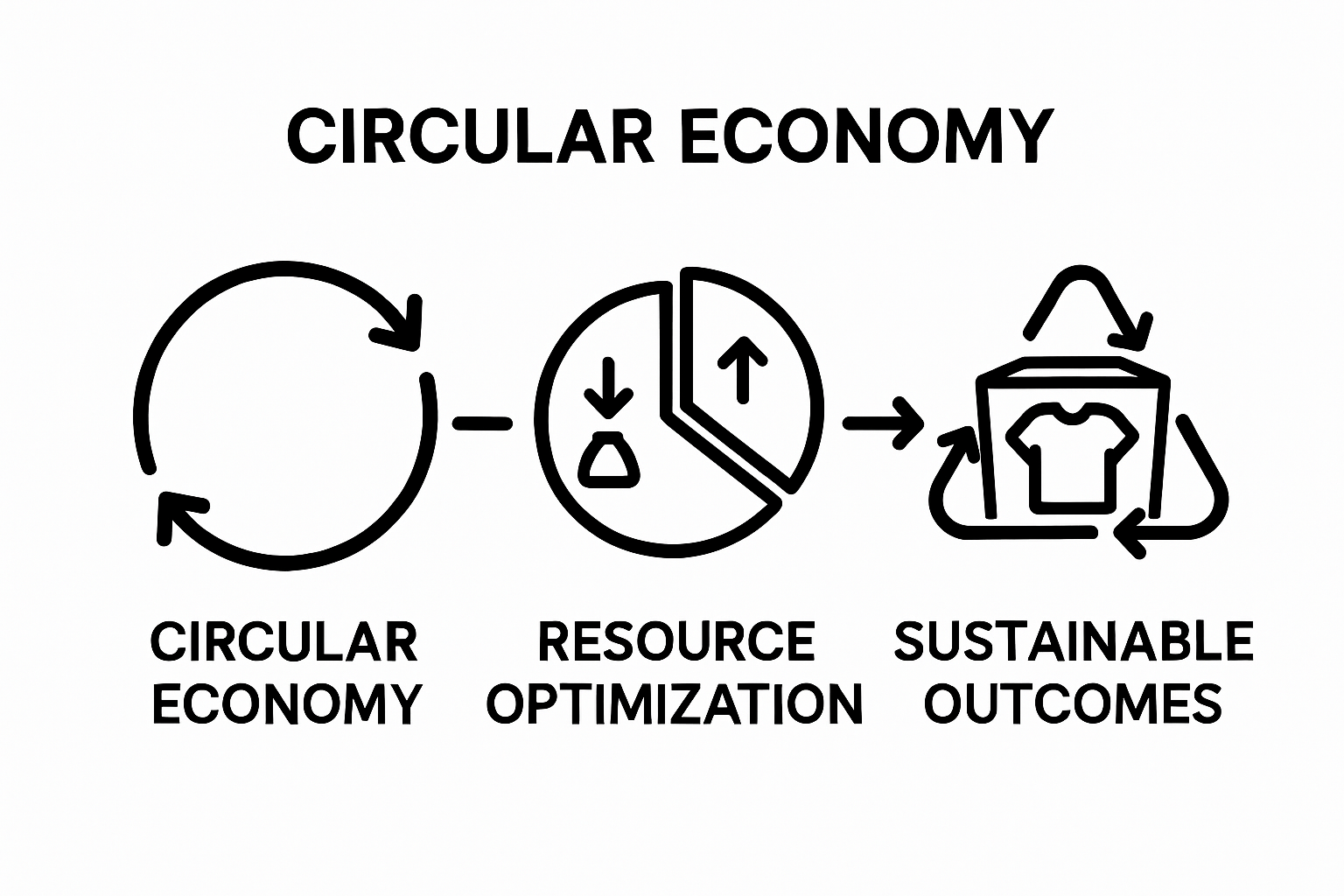
- Designing products for extended lifecycle and recyclability
- Implementing regenerative production processes
- Reducing material consumption through innovative design
- Developing reverse logistics and product recovery systems
- Creating value from previously discarded materials
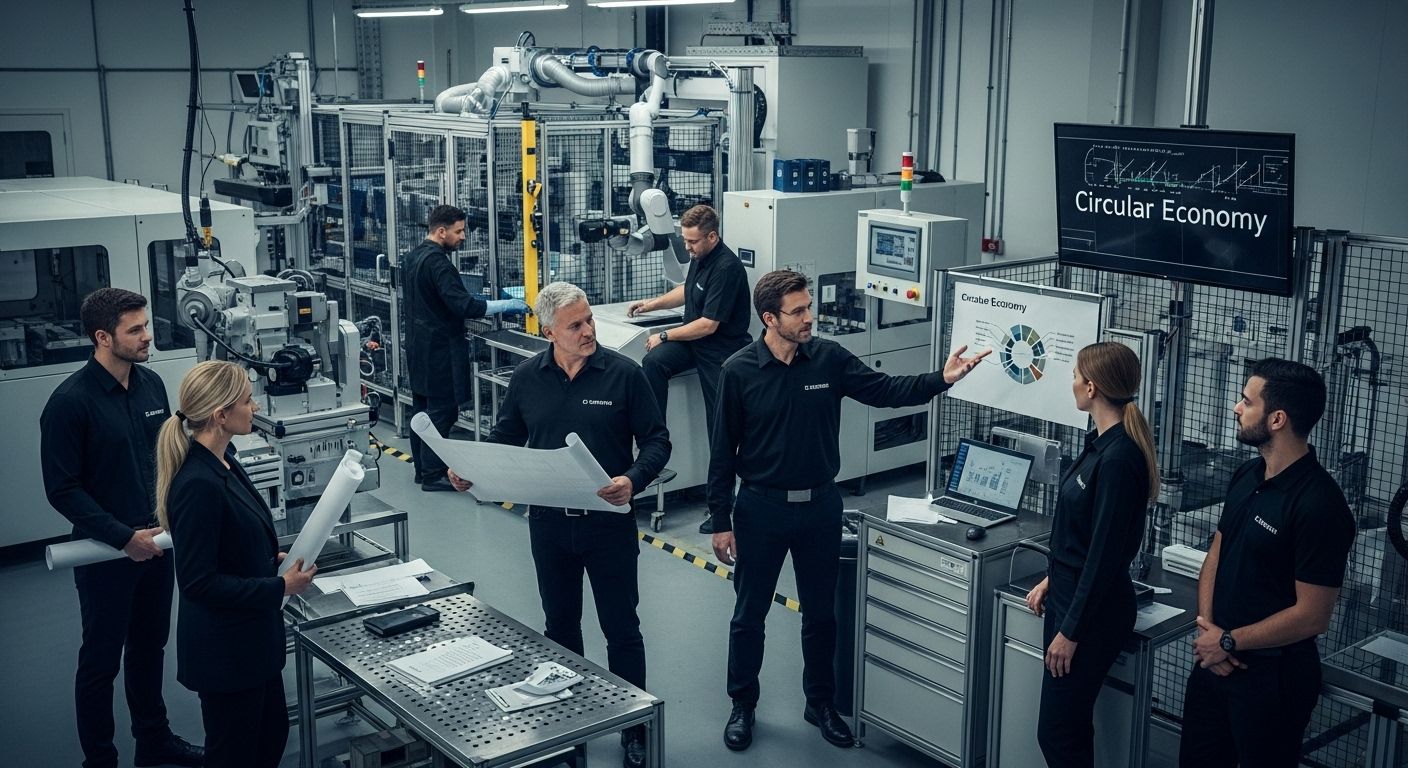
Strategic Environmental and Economic Integration
According to research from the Department of Trade, Industry and Competition, sustainable manufacturing strategies are not just environmental initiatives but comprehensive economic transformation frameworks. These strategies interconnect environmental considerations with core business objectives, recognizing that sustainability drives competitive advantage.
Successful sustainable manufacturing strategies require a multidimensional approach that transcends traditional operational boundaries. By integrating technological innovation, strategic planning, and environmental consciousness, manufacturers can develop resilient, adaptive systems that generate economic value while minimizing ecological impact.
Bring Sustainable Manufacturing Into Reality With Genesis Steel
Is your business navigating the challenges of resource efficiency, waste reduction, and sustainable growth in manufacturing? The article above highlights how true industry leaders transform production by embracing practices like circular economy principles, responsible sourcing, and economic optimisation. At Genesis Steel, we understand what it takes to align your steel supply with modern sustainability goals. Our hot-rolled steel sheets and plates come in a broad selection of grades and sizes, catering to firms ready to futureproof their manufacturing processes.
If you are looking to transition towards lower emissions, reliable supply, and strategic value creation, discover our comprehensive steel solutions tailored to meet your sustainability targets. Trust our dedicated team to help you unlock both ecological and economic benefits. Visit Genesis Steel and take your next step toward building a greener, more efficient manufacturing future today.
Frequently Asked Questions
What is sustainable manufacturing?
Sustainable manufacturing is an approach to production that integrates environmental responsibility, economic efficiency, and social consciousness, aiming to minimize negative environmental impacts while creating valuable products.
Why is sustainability important in the manufacturing sector?
Sustainability is crucial as it enhances competitive advantage, operational efficiency, and long-term economic resilience, while also addressing environmental and social challenges in industrial ecosystems.
How can technology improve sustainability in manufacturing?
Technology enhances sustainability through advanced data analytics, IoT sensors, artificial intelligence, and automated systems, improving resource tracking, production efficiency, and waste reduction in manufacturing processes.
What are the main principles of sustainable manufacturing strategies?
Key principles include the circular economy, which focuses on resource optimization, waste minimization, and product lifecycle extension, alongside integrating environmental considerations with core business objectives for comprehensive economic transformation.