
Steel sits at the heart of almost everything around us, from the buildings we walk past to the cars we drive. South Africa pumps out millions of tonnes each year, and the construction industry alone uses more steel than any other sector worldwide. That sounds massive, right? Surprisingly, the real magic lies in how a simple mix of iron and carbon gets shaped by heat, lightning-level electricity, and clever tech to create something tougher and more flexible than you’d ever expect.
Table of Contents
- What Is Steel And Why Is It Important In Industry?
- The Raw Materials Required For Steel Manufacturing
- How Steel Is Produced: Key Processes Explained
- The Role Of Technology In Steel Manufacturing
- Applications Of Steel In Various Industries
Quick Summary
| Takeaway | Explanation |
|---|---|
| Steel is essential for modern industry | Steel’s unique properties make it vital for construction, automotive, and machinery sectors. |
| Carbon content affects steel properties | The percentage of carbon in steel dictates its hardness, strength, and ductility. |
| Recycling reduces steel’s environmental impact | Electric Arc Furnace technology allows for sustainable production by using recycled materials. |
| Technology enhances steel manufacturing | Advanced modeling and robotics improve precision, efficiency, and safety in steel production. |
| Steel’s versatility supports various applications | From infrastructure to precision tools, steel’s adaptability meets diverse industrial needs. |
What is Steel and Why is it Important in Industry?
Steel represents an extraordinary metal alloy fundamental to modern industrial development, characterised by its remarkable versatility and extraordinary strength. As a critical material engineered primarily from iron and carbon, steel forms the backbone of global manufacturing and infrastructure systems. Understanding the intricate manufacturing process reveals why this material has become indispensable across numerous sectors.
The Fundamental Composition of Steel
At its core, steel is an alloy composed predominantly of iron with carbon content typically ranging between 0.2% to 2.1% by weight. The precise carbon percentage dramatically influences the metal’s mechanical properties, determining characteristics such as hardness, strength, and ductility. Beyond carbon, steel can incorporate various additional elements like manganese, chromium, nickel, and tungsten to enhance specific performance attributes.
Industrial Significance and Applications
Steel’s importance in industry cannot be overstated. According to research from the World Steel Association, this versatile material plays a pivotal role in global economic infrastructure. Its widespread applications span multiple critical domains:
- Construction of skyscrapers, bridges, and transportation infrastructure
- Manufacturing of automotive components and machinery
- Production of household appliances and industrial equipment
- Fabrication of precision tools and engineering components
What distinguishes steel is its exceptional combination of properties. It offers superior tensile strength, excellent durability, and remarkable recyclability, making it an environmentally responsible choice for sustainable industrial development. Engineers and designers consistently choose steel because it provides an optimal balance between performance, cost-effectiveness, and structural integrity across diverse applications.
The material’s adaptability means it can be engineered to meet highly specific industrial requirements, from ultra-lightweight automotive panels to robust maritime infrastructure components. This flexibility, coupled with its relatively low production costs, ensures steel remains a cornerstone of modern manufacturing and technological advancement.
The Raw Materials Required for Steel Manufacturing
Steel manufacturing is a complex metallurgical process that demands precise raw material selection and preparation. Understanding the life cycle of steel begins with comprehending the essential components that transform basic minerals into this versatile industrial material. The primary ingredients must meet stringent quality standards to ensure the final product’s structural integrity and performance.
Primary Raw Material Components
According to scientific research on steel production, steel manufacturing relies on three fundamental raw materials: iron ore, coal, and limestone. Each component plays a critical role in the metallurgical transformation:
- Iron Ore: The fundamental metallic base, typically extracted from open-pit mines
- Coal (Metallurgical Coke): Serves as both fuel and critical chemical reducer
- Limestone: Acts as a purification agent during the smelting process
Material Characteristics and Specifications
Each raw material requires specific physical and chemical properties to contribute effectively to steel production.
Iron ore must contain high iron content, typically between 58% to 65%, with minimal impurities like phosphorus and sulfur. Metallurgical coal undergoes rigorous processing to produce coke, which provides the necessary carbon and acts as a reducing agent in blast furnaces.
Limestone plays a crucial chemical role by combining with impurities to form slag, which floats on molten iron and helps remove unwanted elements. The precise proportions and quality of these materials directly influence the steel’s final mechanical properties, determining its strength, durability, and potential applications across various industrial sectors.
The selection and preparation of raw materials represent a sophisticated scientific process, where metallurgical engineers meticulously balance composition, purity, and thermal characteristics to produce high-quality steel that meets exacting industrial standards.
This table outlines the essential raw materials used in steel manufacturing along with their role in the process and important characteristics, as discussed in the article.
| Raw Material | Role in Steelmaking | Key Characteristics |
|---|---|---|
| Iron Ore | Main metallic base | High iron content (58%-65%), low impurities |
| Coal (Coke) | Fuel and reducing agent | Processed for purity, supplies carbon |
| Limestone | Purification—removes impurities | Combines with impurities to form slag, quality-critical |
| Recycled Steel | Feedstock for EAF process | Supports sustainability, variable composition |
How Steel is Produced: Key Processes Explained
Steel production represents an intricate metallurgical process that transforms raw materials into a versatile industrial material through sophisticated engineering techniques. Exploring steel recycling methods provides additional context to understanding the comprehensive manufacturing journey.
The Blast Furnace Method
According to industrial metallurgy research, the primary method of steel production involves the blast furnace process. This complex technique begins with heating iron ore, coke, and limestone to extremely high temperatures, typically between 1500 to 1700 degrees Celsius. The intense heat triggers critical chemical reactions:
- Reduction of Iron Ore: Coke acts as a reducing agent, stripping oxygen from iron molecules
- Slag Formation: Limestone removes impurities, creating a protective layer over molten metal
- Carbon Introduction: Controlled carbon content transforms iron into steel
Electric Arc Furnace Technology
Modern steel production increasingly employs the Electric Arc Furnace (EAF) method, which offers greater energy efficiency and environmental sustainability. In this process, high-voltage electrical arcs generate extreme temperatures to melt recycled steel and iron scrap. The EAF method allows for precise control of steel composition, enabling manufacturers to produce specialized grades with specific mechanical properties.
The electric arc furnace represents a technological breakthrough in steel manufacturing, dramatically reducing energy consumption and carbon emissions compared to traditional blast furnace techniques. By melting existing steel materials, this method supports circular economy principles and demonstrates the industry’s commitment to sustainable production practices.
The following table compares the two main steel production methods described in the article, highlighting key features, energy sources, environmental impact, and primary raw materials involved.
| Production Method | Energy Source | Environmental Impact | Main Raw Materials | Key Characteristics |
|---|---|---|---|---|
| Blast Furnace | Heat from coke combustion | Higher emissions and energy use | Iron ore, coke, limestone | Large-scale, traditional process |
| Electric Arc Furnace (EAF) | Electricity (arc heating) | Lower emissions and energy use | Recycled steel, iron scrap | Efficient, supports steel recycling |
The Role of Technology in Steel Manufacturing
Technology has revolutionized steel manufacturing, transforming traditional metallurgical processes into highly sophisticated, precision-driven operations. Understanding advanced heat treatment techniques provides crucial insights into the technological innovations driving modern steel production.
Advanced Computational Modeling
According to research from the International Journal of Advanced Manufacturing Technology, computational technologies have dramatically enhanced steel manufacturing precision. Modern simulation tools enable metallurgical engineers to:
- Predict Material Behavior: Simulate complex thermal and mechanical interactions
- Optimize Production Parameters: Model temperature, pressure, and composition variations
- Reduce Experimental Costs: Virtual testing minimizes physical prototyping requirements
Automation and Robotics Integration
Industrial automation has fundamentally transformed steel manufacturing processes. Robotic systems now perform high-precision tasks with unprecedented accuracy, including material handling, welding, quality inspection, and complex manufacturing sequences. These technological interventions significantly improve production efficiency, reduce human error, and enhance workplace safety.
Intelligent sensors and real-time monitoring systems continuously track manufacturing parameters, enabling immediate adjustments and maintaining stringent quality control standards. By integrating machine learning algorithms and advanced data analytics, steel manufacturers can predict potential equipment failures, optimize maintenance schedules, and ensure consistent product quality across complex production environments.
Applications of Steel in Various Industries
Steel serves as a fundamental material driving technological advancement and industrial innovation across multiple sectors. Understanding the life cycle of steel illuminates its critical role in modern economic infrastructure.
Construction and Infrastructure
According to global industrial research, the construction industry represents the largest consumer of steel worldwide. Steel’s exceptional strength-to-weight ratio makes it indispensable for:
- Structural Frameworks: Skyscrapers, bridges, and large-scale architectural projects
- Reinforcement: Concrete strengthening in buildings and infrastructure
- Architectural Elements: Facade design, roofing, and complex engineering structures
Automotive and Transportation Manufacturing
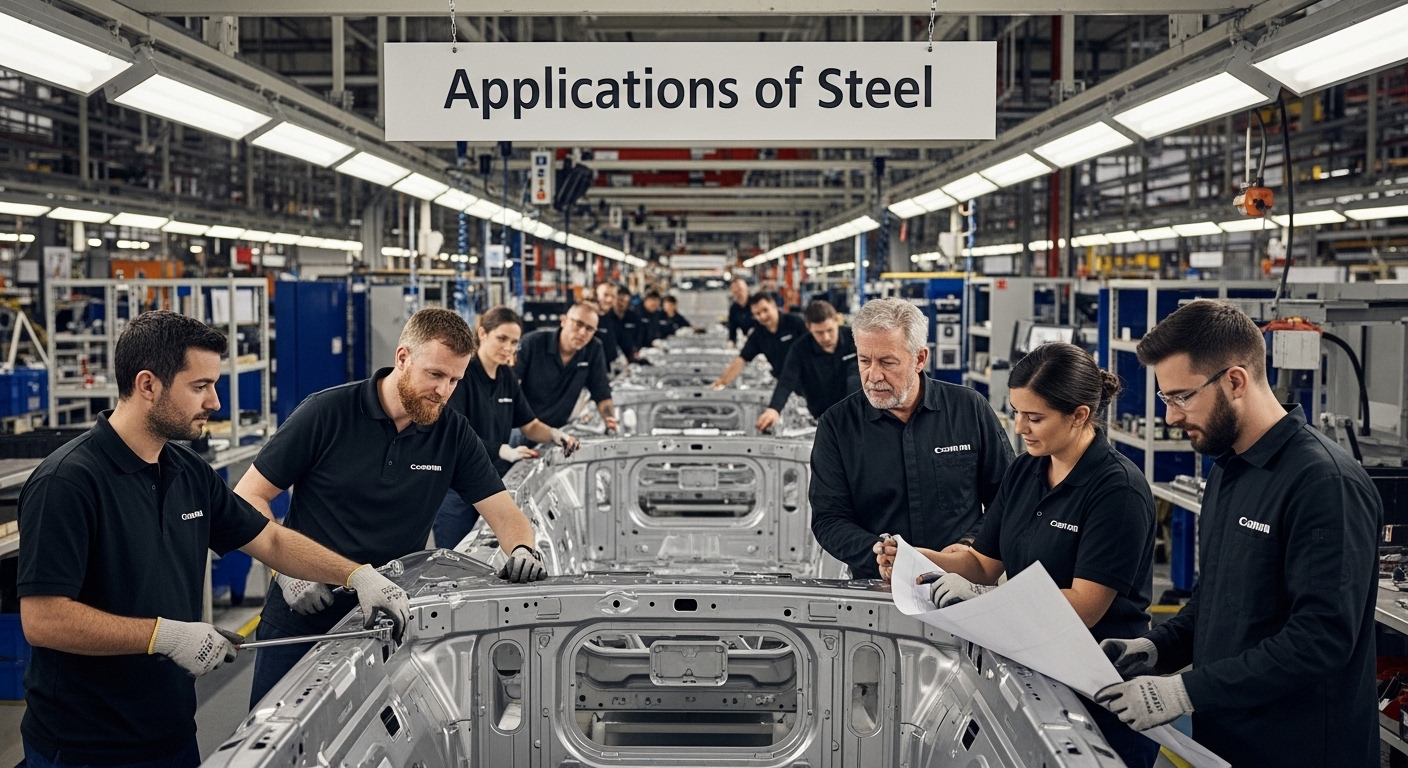
The automotive industry relies extensively on steel for vehicle safety, performance, and efficiency. Advanced high-strength steel variants enable manufacturers to create lighter, more fuel-efficient vehicles without compromising structural integrity. Modern car designs strategically integrate different steel grades to optimize:
- Body Structural Components: Chassis, safety frames, and impact zones
- Precision Engineering: Engine parts, transmission systems, and drivetrain elements
- Weight Reduction: Replacing heavier materials with advanced steel alloys
Beyond traditional applications, steel continues to evolve, supporting emerging technologies in renewable energy, aerospace, and sophisticated manufacturing processes. Its recyclability and adaptability ensure steel remains a cornerstone material driving global industrial innovation and sustainable development.
Ready to Apply Your Knowledge of Steel Manufacturing?
After learning about the vital processes and raw materials needed for steel production, you may be seeking a reliable supplier who truly understands both the science and the supply. Many South African businesses struggle to find quality steel sheets and plates that meet rigorous industrial standards. When consistency and expertise matter, Genesis Steel stands out as your trusted partner in carbon steel, hot-rolled steel sheets, and plates.
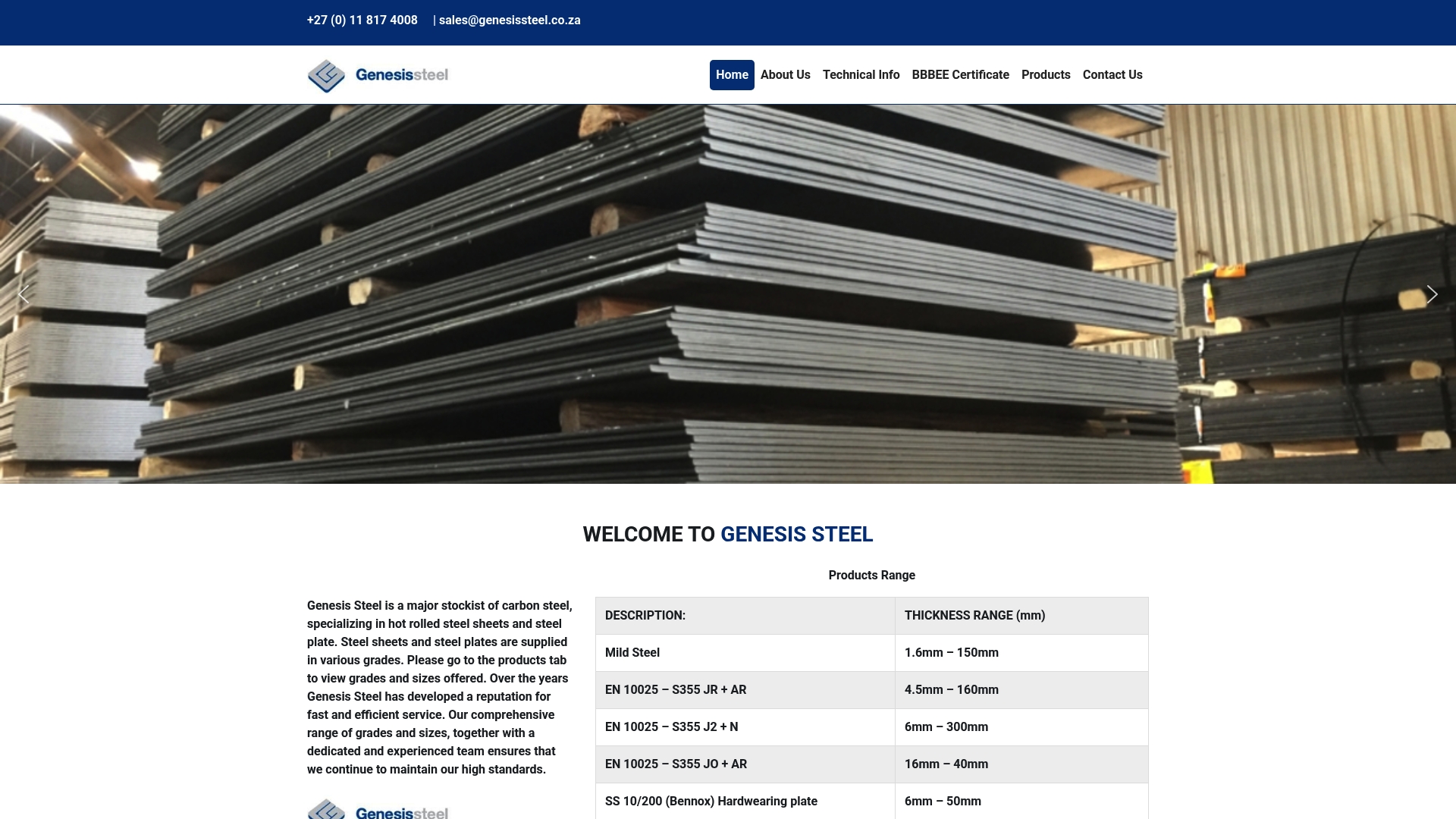
Fast, efficient service and a comprehensive range of grades and sizes ensure you get exactly what your project requires. Visit our Uncategorised Archives – Genesis Steel for more insights or go straight to Genesis Steel to request your quote. Let a knowledgeable team help you turn industrial challenges into success. Don’t wait—secure superior steel solutions today.
Frequently Asked Questions
What are the main raw materials used in steel manufacturing?
The primary raw materials for steel manufacturing are iron ore, coal (metallurgical coke), and limestone. These components are essential for the processes that transform basic minerals into steel.
How is steel produced in a blast furnace?
In a blast furnace, iron ore, coke, and limestone are heated to extremely high temperatures (1500 to 1700 degrees Celsius). The coke acts as a reducing agent, removing oxygen from the iron ore while limestone helps to remove impurities, resulting in molten iron that can be converted into steel.
What is the Electric Arc Furnace (EAF) method of steel production?
The Electric Arc Furnace method utilizes high-voltage electrical arcs to melt recycled steel and iron scrap. This process is more energy-efficient and environmentally friendly compared to traditional blast furnace methods, allowing for precise control over the composition of the steel produced.
Why is steel considered an environmentally responsible material?
Steel is considered environmentally responsible because it is highly recyclable, reducing the need for raw material extraction. Modern manufacturing processes, like the Electric Arc Furnace, also significantly cut down energy consumption and carbon emissions, supporting sustainable industrial practices.