

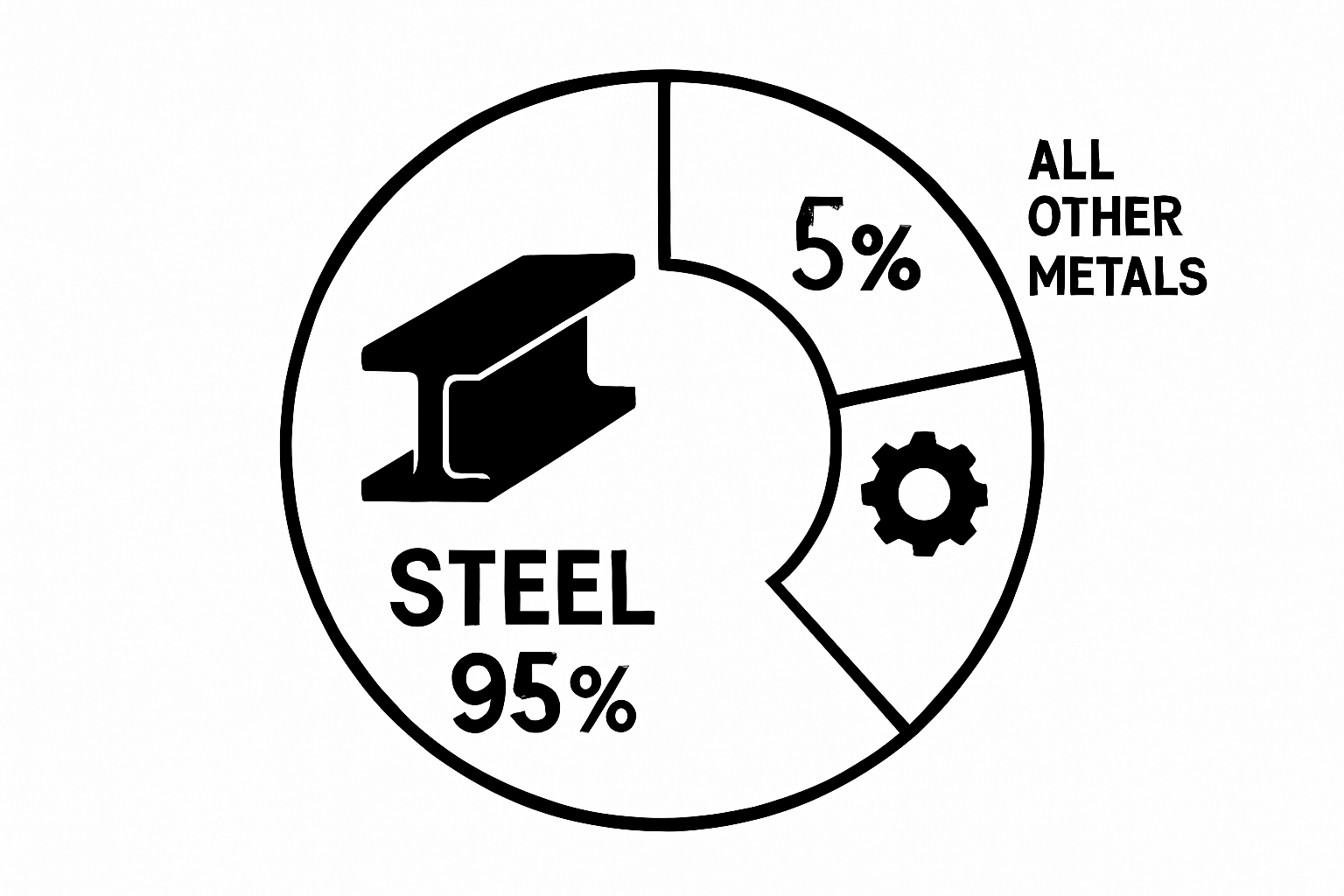
Steel sits at the centre of factories, skyscrapers and bridges across the world. Not many people realise that steel accounts for about 95 percent of all the metal made each year. People usually think it is just another metal, maybe even a bit old-fashioned with all the focus on new technology. But the real surprise is that steel is leading the shift towards a greener and more sustainable industry future, making it one of the most innovative materials of our time.
Table of Contents
- What Is Steel And Why Is It Important In Industry?
- The Raw Materials Used In Steel Production
- The Primary Processes In Steel Manufacturing
- How Steel Properties Are Enhanced For Various Applications
- The Role Of Steel In Sustainable Development And Innovation
Quick Summary
| Takeaway | Explanation |
|---|---|
| Steel is a combination of iron and carbon. | Steel’s strength and durability come from its careful iron and carbon composition, making it superior to pure iron. |
| Steel is crucial in multiple industries. | Approximately 95% of all metal produced is steel, essential for construction, transportation, and more. |
| Recyclability enhances steel’s sustainability. | Steel can be recycled infinitely without losing quality, significantly reducing industrial waste and energy. |
| Production methods impact steel properties. | The BF-BOF and EAF processes dictate steel’s quality, influencing its use in various applications. |
| Alloying tailors steel for specific uses. | Adding elements like chromium and nickel enhances steel’s properties, making it suitable for specialized applications.
What is Steel and Why is it Important in Industry?
Steel represents a remarkable alloy that forms the backbone of modern industrial infrastructure. Fundamentally, steel is an iron-based material created by combining iron with carbon in precise proportions, typically ranging between 0.2% and 2.1% carbon content. This strategic composition transforms pure iron’s inherent properties, resulting in a material with extraordinary strength, durability, and versatility.
The Fundamental Composition of Steel
The magic of steel lies in its unique molecular structure. When carbon is added to iron during manufacturing, it creates an incredibly robust metallic compound that outperforms pure iron in multiple dimensions. Explore our comprehensive guide on steel grades to understand the nuanced variations possible through precise carbon integration.
Key characteristics of steel include:
- Exceptional tensile strength
- High resistance to mechanical stress
- Superior durability compared to pure metals
- Excellent adaptability for various industrial applications
Industrial Significance and Applications
Steel’s importance in industry cannot be overstated. According to the U.S. Geological Survey, steel comprises approximately 95% of all metal tonnage produced annually worldwide. Its widespread use spans critical sectors including construction, transportation, energy infrastructure, manufacturing, and technological innovation.
Industrial sectors rely on steel for:
- Constructing robust building frameworks
- Manufacturing sophisticated machinery
- Creating reliable transportation infrastructure
- Developing advanced technological equipment
The material’s unparalleled combination of strength, affordability, and adaptability makes it an indispensable resource across global industrial landscapes. From skyscrapers and bridges to automotive components and precision engineering tools, steel continues to drive technological progress and economic development.
The Raw Materials Used in Steel Production
Steel production is a complex process that relies on carefully selected raw materials, each playing a critical role in transforming basic elements into an extraordinary industrial material. The primary ingredients for steel manufacturing include iron ore, coal, and limestone, which combine through sophisticated metallurgical processes to create this versatile alloy.
Essential Primary Components
Iron Ore: The fundamental ingredient in steel production is iron ore, a mineral-rich rock containing iron oxides. Extracted from expansive mining operations, iron ore undergoes intensive processing to remove impurities and prepare it for smelting. Learn more about our steel grade specifications to understand how raw material quality impacts final product characteristics.
Key characteristics of iron ore include:
- High iron content percentage
- Varying mineral compositions
- Geographic distribution across global mining regions
- Different processing requirements based on ore quality
Supporting Raw Materials and Their Functions
According to the American Iron and Steel Institute, steel production involves more than just iron ore. Coal and limestone serve crucial supplementary roles in the manufacturing process.
Coal: Functions as both a fuel source and a critical chemical reducer in steel production. Metallurgical coal, specifically, helps remove oxygen from iron ore during smelting, facilitating the transformation of raw iron into workable steel.
Limestone: Acts as a crucial flux material that assists in removing impurities during the smelting process. By combining with unwanted mineral compounds, limestone helps create slag, which is separated from molten iron, thereby improving the metal’s overall quality and purity.
Industrial steel production demands precise material selection and intricate processing techniques. The interplay between these raw materials determines the final steel’s mechanical properties, strength, and suitability for various industrial applications. Understanding these fundamental components provides insight into the sophisticated metallurgical science behind one of humanity’s most essential construction materials.
To help clarify the key roles and functions of each raw material used in steel production, the table below summarises the three primary components and how they contribute to the process in a South African context.
| Raw Material | Main Function | Key Features / Benefits |
|---|---|---|
| Iron ore | Provides iron content for steel production | High iron content; mined globally |
| Coal | Acts as fuel and chemical reducer | Enables oxygen removal; mostly metallurgical |
| Limestone | Serves as flux to remove impurities | Creates slag; improves purity and quality |
The Primary Processes in Steel Manufacturing
Steel manufacturing involves sophisticated metallurgical processes that transform raw materials into a versatile industrial product. Two primary methods dominate the global steel production landscape: the Blast Furnace-Basic Oxygen Furnace (BF-BOF) process and the Electric Arc Furnace (EAF) process. Each method offers unique approaches to converting raw materials into high-quality steel.
Blast Furnace-Basic Oxygen Furnace Method
The BF-BOF process represents the traditional and most widespread steel production technique. Explore our detailed insights into steel production techniques to understand the intricacies of this complex manufacturing approach.
Key stages of the BF-BOF process include:
- Iron ore reduction in blast furnace
- Conversion of pig iron to steel
- Precise temperature and chemical composition control
- Removal of impurities through oxygen injection
According to the American Iron and Steel Institute, this method begins with creating pig iron by combining iron ore, coke, and limestone in a blast furnace. The molten pig iron is then transferred to a basic oxygen furnace, where high-pressure oxygen is blown through the metal to reduce carbon content and eliminate impurities.
Electric Arc Furnace Method
The Electric Arc Furnace represents a more modern and environmentally conscious approach to steel production. This method primarily utilizes recycled steel scrap as its primary raw material, making it a more sustainable alternative to traditional manufacturing techniques.
Unique characteristics of the EAF process include:
- High electrical energy consumption
- Ability to use 100% recycled steel scrap
- Faster production cycles
- Lower carbon emissions compared to BF-BOF method
In the EAF process, powerful electrical arcs generate extreme temperatures that melt steel scrap, allowing manufacturers to produce new steel products with reduced environmental impact. This method offers greater flexibility in steel production, enabling faster turnaround times and more efficient resource utilization.
Below is a comparison of the two primary steel manufacturing methods discussed in the article, offering a concise view of their key characteristics, efficiency, and sustainability aspects for quick reference.
| Manufacturing Method | Main Raw Material | Key Features / Process | Sustainability Impact |
|---|---|---|---|
| Blast Furnace-Basic Oxygen | Iron ore, coal | Tradition; pig iron to steel | Higher carbon emissions |
| Furnace (BF-BOF) | via oxygen; high volumes | ||
| Electric Arc Furnace (EAF) | Recycled steel scrap | Uses electric arc; fast cycles | Lower emissions; highly recyclable |
Both manufacturing processes demonstrate the remarkable engineering and metallurgical expertise required to transform raw materials into the steel that forms the backbone of modern industrial infrastructure. The continuous evolution of these techniques reflects ongoing technological advancements in materials science and manufacturing efficiency.
How Steel Properties Are Enhanced for Various Applications
Steel’s extraordinary versatility stems from its remarkable ability to be customized through advanced metallurgical techniques. By carefully manipulating chemical composition, thermal treatments, and alloying processes, manufacturers can transform basic steel into materials with highly specialized properties tailored for specific industrial and technological applications.
Alloying and Chemical Composition
Alloying represents the primary method of enhancing steel’s fundamental characteristics. Discover the nuanced details of carbon steel properties to understand how precise elemental additions dramatically modify steel’s performance.
Key elements used in steel alloying include:
- Chromium for corrosion resistance
- Nickel for enhanced strength and toughness
- Manganese for improved hardness
- Molybdenum for increased heat resistance
- Tungsten for superior wear resistance
Thermal Processing and Heat Treatment
Thermal processing techniques fundamentally alter steel’s microstructure, enabling manufacturers to achieve specific mechanical properties. The most common heat treatment methods include quenching, tempering, and annealing, each serving unique metallurgical purposes.
According to metallurgical research, thermal treatments can:
- Modify steel’s internal crystal structure
- Increase or decrease hardness
- Improve ductility and toughness
- Relieve internal stress
- Enhance overall material performance
Quenching involves rapidly cooling heated steel to create a martensitic structure, resulting in extremely hard and strong materials. Tempering subsequently reduces brittleness by reheating the quenched steel to a lower temperature, balancing hardness with improved ductility.
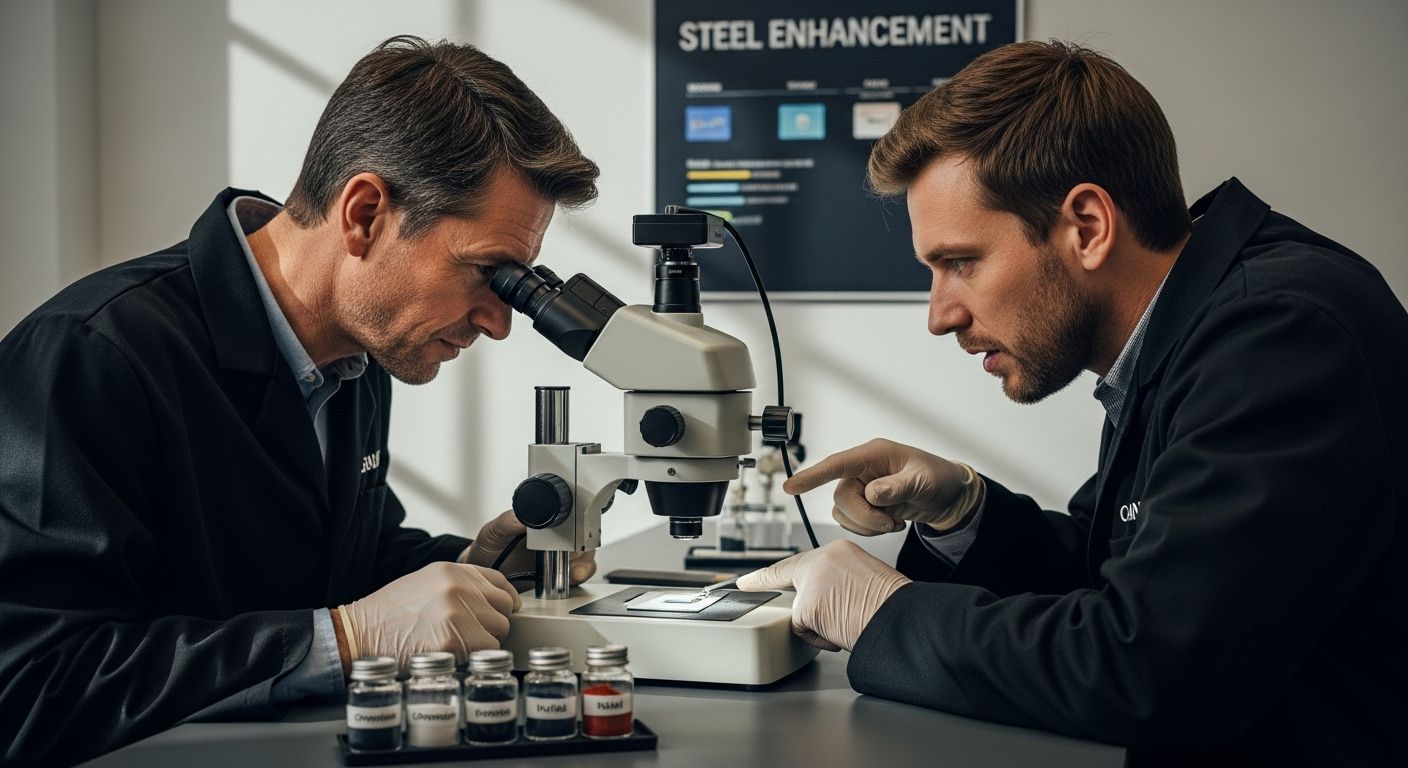
The sophisticated science of steel enhancement demonstrates how engineers can design materials with precise characteristics for applications ranging from surgical instruments to aerospace components. By understanding and manipulating steel’s fundamental properties, manufacturers can create solutions that meet increasingly complex industrial demands.
The Role of Steel in Sustainable Development and Innovation
Steel represents more than just an industrial material it is a critical catalyst for sustainable technological advancement and environmental progress. As global industries face increasing pressure to reduce carbon emissions and develop more eco-friendly solutions, steel emerges as a pivotal material driving transformative innovation across multiple sectors.
Circular Economy and Recyclability
Steel’s inherent recyclability positions it as a cornerstone of sustainable manufacturing. Explore our comprehensive guide to industrial steel applications to understand its remarkable potential for circular economic models. Unlike many materials that degrade during recycling, steel can be repeatedly reprocessed without losing its fundamental structural integrity.
Key sustainability advantages of steel include:
- 100% recyclable without quality degradation
- Infinite recycling potential
- Minimal energy requirement for reprocessing
- Reduced environmental impact compared to primary metal production
- Significant reduction in industrial waste
Technological Innovation and Green Infrastructure
Modern steel technologies are increasingly aligned with sustainable development goals. Advanced high-strength steel enables lightweight construction, dramatically reducing material consumption and associated carbon emissions in sectors like automotive and construction industries.
According to sustainable engineering research, steel contributes to green infrastructure through:
- Enhanced energy-efficient building designs
- Lightweight transportation solutions
- Renewable energy infrastructure development
- Advanced sustainable manufacturing techniques
- Reduced overall carbon footprint in industrial processes
Innovative steel alloys are now being developed to address complex environmental challenges, demonstrating the material’s critical role in creating more sustainable technological solutions. From wind turbine components to electric vehicle frameworks, steel continues to be at the forefront of global sustainability efforts, proving that industrial innovation and environmental responsibility can coexist harmoniously.
Need Quality Steel Sheet and Plate Solutions Backed by Industry Expertise?
You have just read how steel is made and why material quality and supply reliability matter in every step of the process. As the article highlights, choosing the right grade, understanding steel composition, and trusting the supplier’s knowledge can make the difference in your project’s outcome. If you are struggling to find a reputable partner that delivers consistent quality and understands the full journey of steel production, you are not alone. Many professionals face delays and uncertainty that can easily be avoided with a trusted supplier by your side. For further insights and the latest on steel industry advancements, visit our Uncategorised Archives.
See for yourself how Genesis Steel leads the field in carbon steel supply. Whether you need hot-rolled steel sheets or precision steel plates in various grades, you get efficient service, personalised support, and decades of industry know-how. Make your next project simple and stress-free. Contact our experienced team to secure the exact steel products you need right now.
Frequently Asked Questions
How is steel produced?
Steel is produced primarily through two methods: the Blast Furnace-Basic Oxygen Furnace (BF-BOF) method and the Electric Arc Furnace (EAF) method. The BF-BOF method involves smelting iron ore in a blast furnace and converting pig iron into steel, while the EAF method primarily uses recycled steel scrap, melted by powerful electrical arcs.
What are the main raw materials used in steel production?
The main raw materials for steel production include iron ore, coal, and limestone. Iron ore provides the iron content, coal acts as a fuel and reducer, and limestone serves as a flux material to remove impurities during smelting.
How is the quality of steel determined?
The quality of steel is determined by its chemical composition, which includes the precise amounts of carbon and alloying elements such as chromium, nickel, and manganese. Additionally, manufacturing processes like heat treatment and thermal processing can significantly enhance steel’s properties.
Why is steel important for sustainable development?
Steel is crucial for sustainable development because it is 100% recyclable without quality degradation, contributing to circular economy models. It also plays a key role in the development of energy-efficient infrastructures and advanced sustainable manufacturing techniques.