

Steel recycling plays a huge part in cutting down waste and protecting natural resources worldwide. Here is something that not a lot of people realise. Recycling steel uses around 74 percent less energy than making new steel from scratch. That is massive. But most people expect recycled steel to be weaker or less reliable. The truth is steel never loses its strength or quality, no matter how many times it is recycled. This flips what you thought about old metal on its head.
Table of Contents
- What Is Steel Recycling And Its Importance?
- The Environmental Benefits Of Steel Recycling
- How The Steel Recycling Process Works
- Key Concepts In Steel Recycling Technology
- Real-World Applications And Future Of Steel Recycling
Quick Summary
| Takeaway | Explanation |
|---|---|
| Steel recycling significantly reduces energy consumption. | Manufacturing recycled steel uses approximately 74% less energy than producing it from virgin iron ore, leading to environmental benefits. |
| Recycling steel decreases greenhouse gas emissions. | Transforming discarded steel into new products contributes to a substantial reduction in carbon emissions, aiding in climate change mitigation. |
| Steel recycling conserves natural resources. | Each tonne of recycled steel prevents the extraction of approximately 1.5 tonnes of iron ore, preserving ecosystems and reducing environmental disruption. |
| Advanced technologies improve steel recycling efficiency. | Innovations like AI and nanotechnology enhance material sorting and processing, leading to better recycling outcomes and reduced waste. |
| Recycled steel maintains high-quality standards. | Unlike many materials, recycled steel retains its strength and integrity, making it suitable for various industrial applications. |
What is Steel Recycling and Its Importance?
Steel recycling represents a critical sustainability strategy that transforms discarded metal into valuable resources, significantly reducing environmental impact and conserving global raw materials. Understanding steel recycling involves comprehending how this process minimises waste, reduces energy consumption, and supports circular economic principles.
The Core Concept of Steel Recycling
At its fundamental level, steel recycling involves collecting, processing, and remanufacturing steel products that have reached the end of their initial lifecycle. Unlike many materials that degrade during recycling, steel maintains its inherent strength and quality through multiple recycling processes. This unique characteristic allows steel to be repeatedly melted down, reshaped, and repurposed without losing structural integrity.
Environmental and Economic Benefits
Steel recycling delivers substantial environmental advantages that extend far beyond waste reduction. The process consumes approximately 74% less energy compared to producing new steel from virgin iron ore. These energy savings translate directly into reduced carbon emissions and a smaller industrial carbon footprint.
Key benefits of steel recycling include:
- Conservation of natural resources by reducing mining activities
- Significant reduction in greenhouse gas emissions
- Lower production costs for manufacturers
- Preservation of landfill space
Below is a table summarising the main environmental and economic benefits of steel recycling, helping you quickly see why this process is so advantageous in South Africa and globally.
| Benefit | Description |
|---|---|
| Conservation of natural resources | Recycling steel reduces demand for raw materials like iron ore |
| Energy savings | Uses approximately 74% less energy than producing new steel |
| Reduced greenhouse gas emissions | Less energy use leads to lower carbon emissions |
| Lower production costs | Manufacturers save money with recycled inputs |
| Landfill preservation | Prevents waste steel from filling up landfills |
| Supports circular economy | Makes steel part of an ongoing reuse cycle |
Learn more about our steel grade expertise to understand how recycled steel maintains high-quality standards across various industrial applications. The recyclability of steel makes it a cornerstone of sustainable manufacturing, offering a robust solution to resource management and environmental preservation.
The Environmental Benefits of Steel Recycling
Steel recycling emerges as a powerful environmental solution that addresses multiple ecological challenges simultaneously. Global environmental research demonstrates that recycling steel significantly reduces carbon emissions, conserves natural resources, and creates a more sustainable industrial ecosystem.
Reducing Carbon Footprint and Energy Consumption
The steel recycling process dramatically reduces energy requirements compared to primary steel production. Manufacturing recycled steel consumes approximately 74% less energy than producing steel from raw iron ore. This substantial energy reduction translates directly into significant greenhouse gas emission reductions, making steel recycling a critical strategy for combating climate change.
Resource Conservation and Waste Management
By transforming discarded steel into new products, recycling minimises the demand for virgin raw materials. Each tonne of recycled steel prevents the extraction of approximately 1.5 tonnes of iron ore, preserving natural landscapes and reducing mining activities. The process also prevents substantial amounts of steel from ending up in landfills, which helps address waste management challenges.
Key environmental advantages include:
- Preservation of natural mineral resources
- Reduction of industrial waste
- Significant decrease in carbon emissions
- Protection of ecological systems from mining impacts
Explore our commitment to steel quality standards to understand how recycled steel maintains exceptional performance while supporting environmental sustainability. The continuous recyclability of steel represents a profound opportunity for industries to embrace circular economic principles and minimize environmental degradation.
How the Steel Recycling Process Works
Steel recycling is a sophisticated industrial process that transforms discarded metal into valuable resources through a carefully orchestrated sequence of technical operations. Scientific research on metal recycling reveals a complex method that preserves material integrity while maximising environmental sustainability.
Collection and Sorting of Steel Scrap
The initial stage of steel recycling involves comprehensive collection from diverse sources including industrial waste, demolition sites, automotive industries, and consumer product discards. Sophisticated sorting technologies enable precise separation of different steel grades and qualities. Magnetic separation techniques play a crucial role in efficiently identifying and extracting ferrous materials, ensuring high-quality input for the recycling process.
Processing and Transformation
Once collected, steel scrap undergoes meticulous processing to prepare it for remanufacturing. The material is shredded into smaller fragments, cleaned to remove contaminants, and sorted based on specific metallurgical characteristics. Advanced electromagnetic technologies and computer-controlled sorting systems ensure precise material classification, which is critical for maintaining the structural integrity of recycled steel.
Key stages in steel processing include:
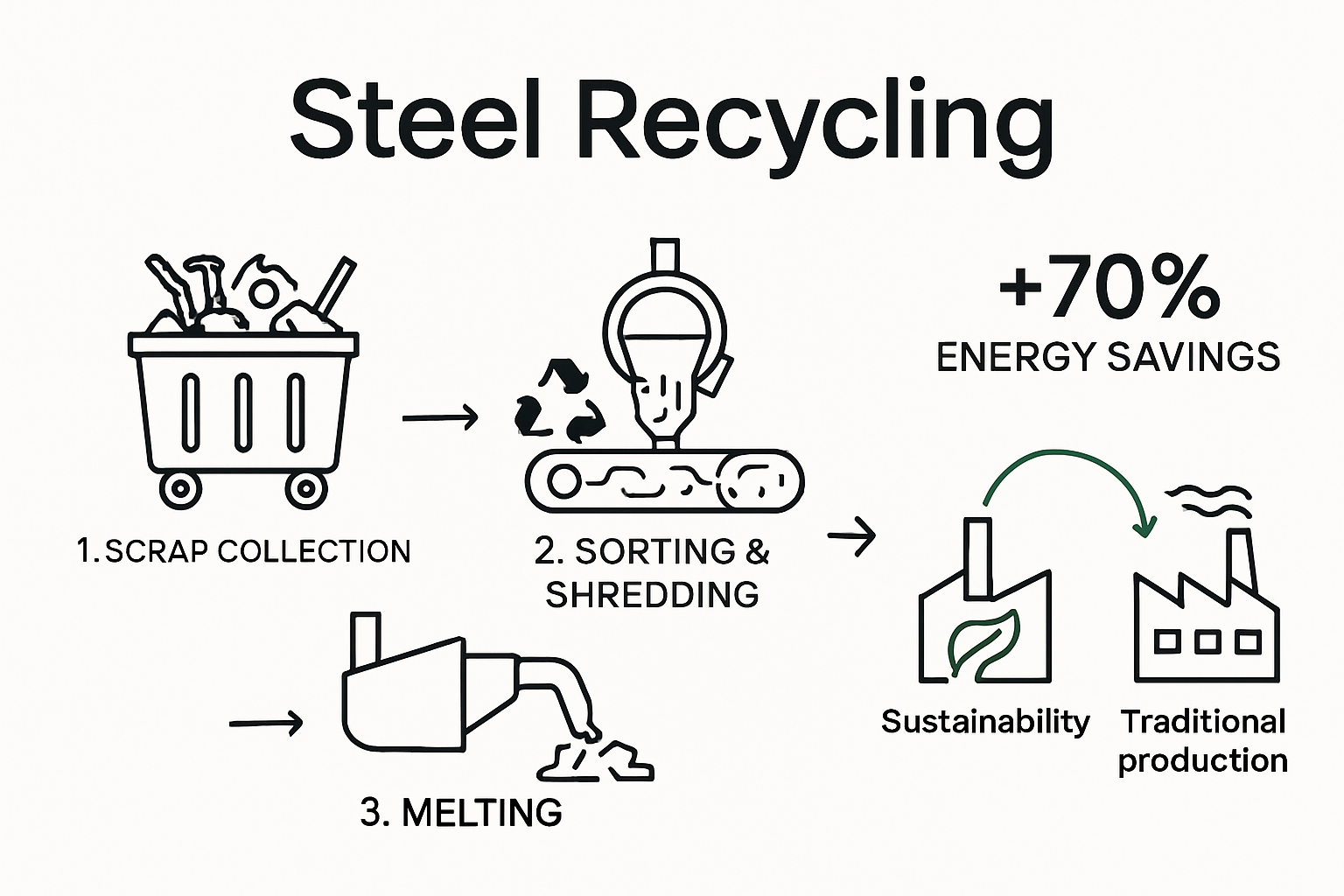
- Shredding steel into manageable fragments
- Removing non-metallic impurities
- Classifying steel by grade and composition
- Preparing materials for melting and reforming
Learn about our expert steel fabrication techniques to understand the intricate processes that transform recycled steel into high-performance industrial materials. The transformation of steel scrap into new, valuable products represents a sophisticated intersection of environmental responsibility and advanced manufacturing technology.
Key Concepts in Steel Recycling Technology
Global research on metallurgical innovations reveals that steel recycling technology represents a sophisticated intersection of engineering, environmental science, and advanced materials management. Understanding the fundamental technological principles driving steel recycling is crucial for comprehending its significant industrial and ecological impact.
Metallurgical Transformation Technologies
Steel recycling technologies leverage complex metallurgical processes that preserve the fundamental molecular structure of steel. Unlike many materials that degrade during recycling, steel can be repeatedly melted, reformed, and repurposed without compromising its inherent mechanical properties. Advanced electromagnetic sorting, thermal processing, and precision alloying techniques enable manufacturers to maintain high-quality steel standards throughout multiple recycling iterations.
Material Characterization and Sorting
Precise material identification represents a critical technological component in steel recycling. Sophisticated sensor technologies, including spectroscopic analysis and magnetic resonance imaging, allow for unprecedented accuracy in steel grade classification. These technologies enable recycling facilities to segregate different steel compositions, ensuring that recycled materials meet stringent industrial performance requirements.
Key technological capabilities include:
- Non-destructive material composition analysis
- High-precision magnetic and electromagnetic sorting
- Computer-assisted metallurgical grade identification
- Advanced thermal processing technologies
Explore our comprehensive steel grade identification methods to understand the intricate technological processes that transform scrap metal into valuable industrial resources. The continuous evolution of steel recycling technologies demonstrates the remarkable potential of innovative engineering to address environmental challenges while maintaining exceptional material performance.
Real-World Applications and Future of Steel Recycling
Global industrial research demonstrates that steel recycling transcends environmental conservation, representing a critical technological and economic strategy across multiple sectors. The continuous evolution of recycling technologies is reshaping industrial manufacturing and sustainable development paradigms.
Sector-Specific Recycling Applications
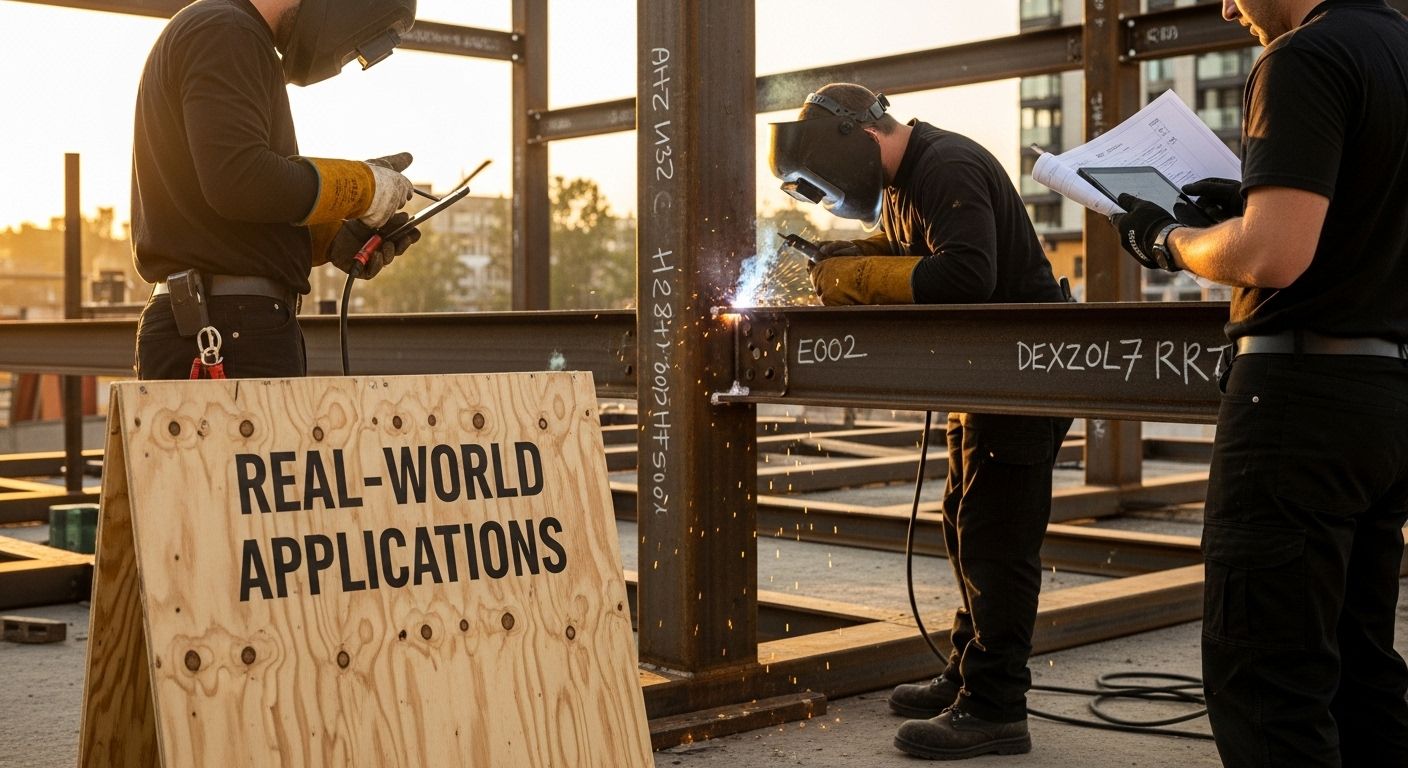
Steel recycling plays a transformative role across diverse industries, from automotive manufacturing to construction and infrastructure development. Automotive sectors leverage recycled steel to produce vehicle components, reducing production costs and environmental impact. Construction industries utilize recycled steel in structural frameworks, reinforcing materials, and architectural elements, demonstrating the material’s versatility and sustainability.
Emerging Technologies and Future Perspectives
Advanced technological innovations are progressively enhancing steel recycling capabilities. Artificial intelligence and machine learning algorithms are being developed to improve material sorting precision, while nanotechnology promises more efficient metallurgical processing techniques. These emerging technologies aim to increase recycling efficiency, reduce energy consumption, and minimize waste generation throughout the steel production ecosystem.
Key future development areas include:
- Advanced automated sorting technologies
- Artificial intelligence in material classification
- Nano-enhanced metallurgical processing
- Enhanced energy-efficient recycling methodologies
Discover our advanced steel processing techniques to understand how innovative approaches are transforming steel recycling. The future of steel recycling represents a sophisticated convergence of environmental responsibility, technological innovation, and industrial efficiency.
Take Your Sustainable Steel Goals Further with Genesis Steel
Struggling to source reliable hot-rolled steel sheets and plates while supporting genuine sustainability? As discussed in our article on steel recycling, choosing the right supplier is crucial for reducing your carbon footprint and ensuring the highest quality for your projects. Steel recycling is key to resource conservation and environmental responsibility, but your efforts can fall short without expert guidance and trusted material grades. See how industry leaders are transforming the future of steel with sustainable choices on our Uncategorised Archives – Genesis Steel page.
Now is the time to partner with a dedicated team that truly understands recycled steel and its impact on the environment. Visit Genesis Steel and discover our wide range of carbon steel options, available in various sustainable grades and sizes. Secure your supply, enhance your project’s environmental credentials, and enjoy our fast, experienced service today.
Frequently Asked Questions
What is the process of steel recycling?
Steel recycling involves collecting, processing, and remanufacturing used steel products. The process begins with sorting and shredding the steel scrap, followed by cleaning, classifying, and melting it down to create new products.
Why is steel recycling important for sustainability?
Steel recycling is crucial for sustainability as it reduces the need for virgin raw materials, conserves energy, and minimizes greenhouse gas emissions. It allows steel to be reused repeatedly without losing quality, significantly decreasing environmental impact.
How much energy is saved through steel recycling compared to new production?
Recycling steel consumes approximately 74% less energy than producing new steel from virgin iron ore. This energy efficiency significantly contributes to lower carbon emissions and a reduced industrial carbon footprint.
What are the environmental benefits of steel recycling?
Steel recycling leads to the conservation of natural resources, significant reductions in greenhouse gas emissions, and less industrial waste. By preventing steel from going to landfills, it also helps manage waste effectively and protects ecological systems from mining impacts.
Recommended
- How to Identify Steel Grades for Industrial Use – Genesis Steel
- Steel Plate vs Sheet: Choosing Right for Gauteng Industry – Genesis Steel
- Welding Steel Plates in Gauteng: Methods and Best Practices 2025 – Genesis Steel
- ISO Standards for Steel: Quality Assurance in Gauteng – Genesis Steel
- Recycling Construction Waste: Essential Steps for Industry
- Rebates for Waste Materials: How Valuable Is the Waste You Produce? If You Have Enough to Bale, You Have Enough to Sell – Venture Waste