
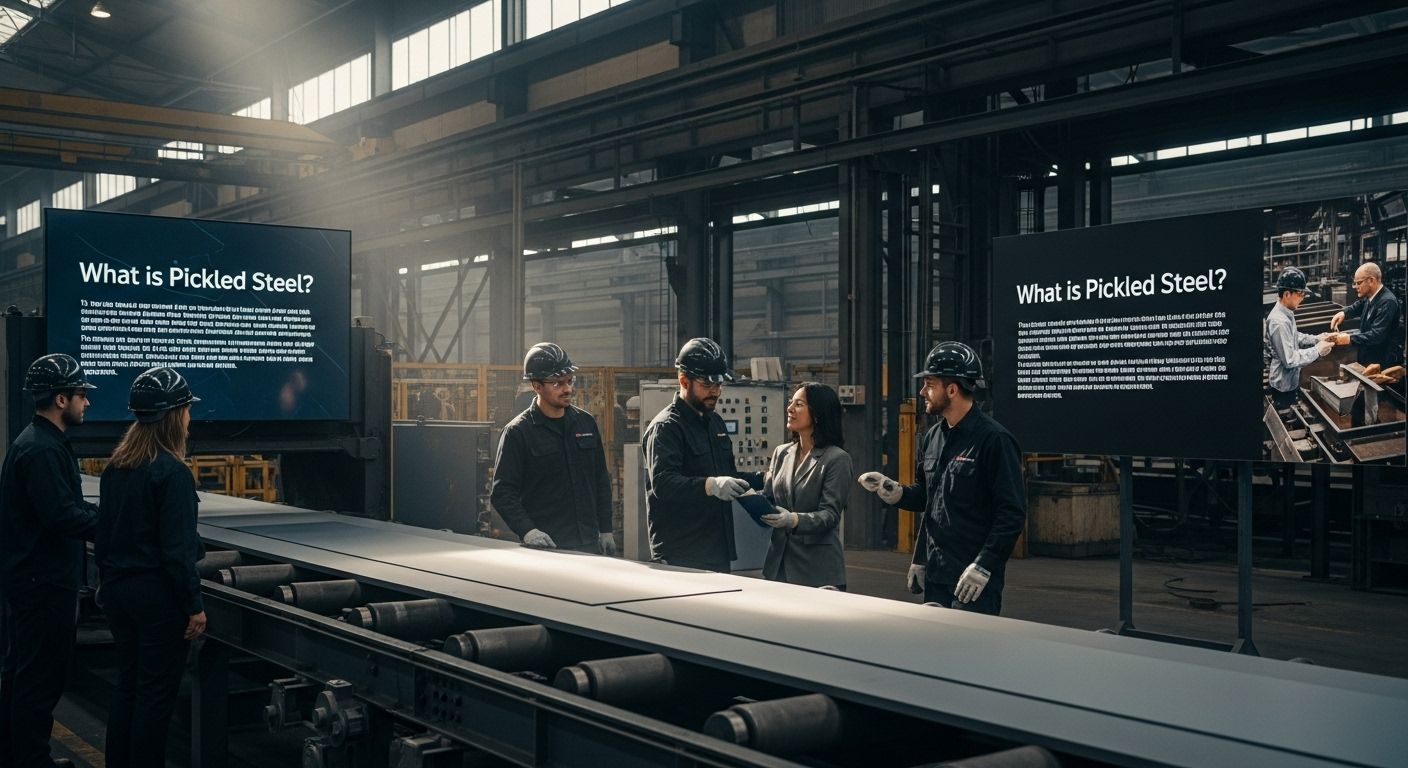
Pickled steel changes the way manufacturers work with metal. Some might think it is just a fancy name for cleaned steel, but it is actually the secret behind high-performance parts in cars and buildings. Fact is, pickling improves steel’s corrosion resistance and makes coatings stick up to 40 percent better than untreated surfaces. That single treatment reshapes what is possible for everything from skyscrapers to tractors.
Table of Contents
- Defining Pickled Steel: What It Is And Its Process
- The Importance Of Pickled Steel In Various Industries
- How The Pickling Process Works: Chemicals And Techniques
- Key Characteristics And Benefits Of Using Pickled Steel
- Real-World Applications: Where Pickled Steel Is Commonly Used
Quick Summary
| Takeaway | Explanation |
|---|---|
| Pickled steel enhances surface quality. | The pickling process removes impurities, ensuring a clean, smooth surface suitable for further manufacturing processes. |
| Chemical treatment improves steel characteristics. | Acidic solutions effectively dissolve oxide layers, providing better corrosion resistance and adhesion properties for various applications. |
| Crucial in multiple industrial sectors. | Industries such as automotive, construction, and renewable energy utilize pickled steel for its performance benefits and reliability in advanced manufacturing. |
| Facilitates precise manufacturing techniques. | Clean surfaces allow for better adhesion in coatings and welding, resulting in fewer defects and improved product quality. |
| Economic advantages through efficiency. | Use of pickled steel reduces preparation time and extends product lifespan, supporting overall cost savings in manufacturing processes. |
Defining Pickled Steel: What It Is and Its Process
Pickled steel represents a crucial metallurgical process that transforms raw steel sheets by removing surface impurities and oxide layers, preparing them for further manufacturing and fabrication. This specialized treatment ensures superior quality and enhanced performance across multiple industrial applications.
The Core Concept of Steel Pickling
Steel pickling is a chemical surface treatment that involves immersing steel sheets or coils in acidic solutions to eliminate rust, mill scale, and other unwanted surface contaminants. Explore how steel processing transforms raw materials reveals that this precise method significantly improves the steel’s subsequent workability and aesthetic appearance.
The primary acid solutions used in pickling typically include:
- Hydrochloric acid
- Sulfuric acid
- Nitric acid
These acids effectively dissolve oxide layers and surface impurities, creating a clean, smooth metal surface ready for additional processing like coating, painting, or welding.
Technical Process and Industrial Significance
The pickling process follows a systematic sequence designed to achieve optimal surface preparation. Steel sheets are systematically transported through acid baths, where chemical reactions strip away unwanted surface materials. This treatment not only cleanses the metal but also creates a uniform surface that enhances subsequent manufacturing steps.
Industrial manufacturers prefer pickled steel because it offers improved adhesion properties, reduced risk of corrosion, and enhanced aesthetic quality. The process ensures that steel components meet stringent quality standards required in automotive, construction, and engineering sectors.
Discover more about our steel processing techniques and understand how advanced treatments like pickling contribute to superior metal performance.
The Importance of Pickled Steel in Various Industries
Pickled steel plays a transformative role across multiple industrial sectors, offering superior material properties that enable advanced manufacturing and engineering solutions. By providing a clean, uniform surface, this specialized steel treatment unlocks critical performance capabilities essential for modern technological and infrastructural development.
Industrial Applications and Performance Advantages
Different industries leverage pickled steel for its unique characteristics. Understand the comprehensive steel lifecycle reveals how this surface treatment enhances material versatility and performance across complex manufacturing environments.
Key industrial sectors benefiting from pickled steel include:
- Automotive manufacturing
- Construction and infrastructure development
- Renewable energy equipment production
- Machinery and heavy equipment fabrication
- Agricultural machinery and equipment
Precision Engineering and Material Performance
According to research from the American Galvanizers Association, pickled steel provides critical advantages that extend beyond surface preparation. The process ensures exceptional adhesion properties, improved corrosion resistance, and enhanced structural integrity for complex engineering applications.
Manufacturers rely on pickled steel because it enables more precise manufacturing processes. The clean surface allows for better welding, coating, and painting, reducing potential defects and improving overall product quality. This makes pickled steel an indispensable material in sectors requiring high-precision engineering and robust performance standards.
How the Pickling Process Works: Chemicals and Techniques
The pickling process represents a sophisticated metallurgical technique that combines precise chemical interactions and advanced industrial methodologies to transform steel surfaces. This intricate procedure involves strategic chemical treatments designed to remove surface impurities and prepare steel for subsequent manufacturing processes.
Chemical Composition and Reaction Mechanisms
Discover our comprehensive steel processing techniques reveals the complexity behind metal surface preparation. According to research from the American Galvanizers Association, the process primarily utilizes specific acid solutions that interact with surface oxides through targeted chemical reactions.
The primary acids employed in pickling include:
- Hydrochloric acid (most common)
- Sulfuric acid
- Nitric acid
Each acid solution creates a unique chemical interaction with iron oxides, effectively dissolving mill scale and rust layers while maintaining the underlying steel’s structural integrity.
Industrial Processing Techniques
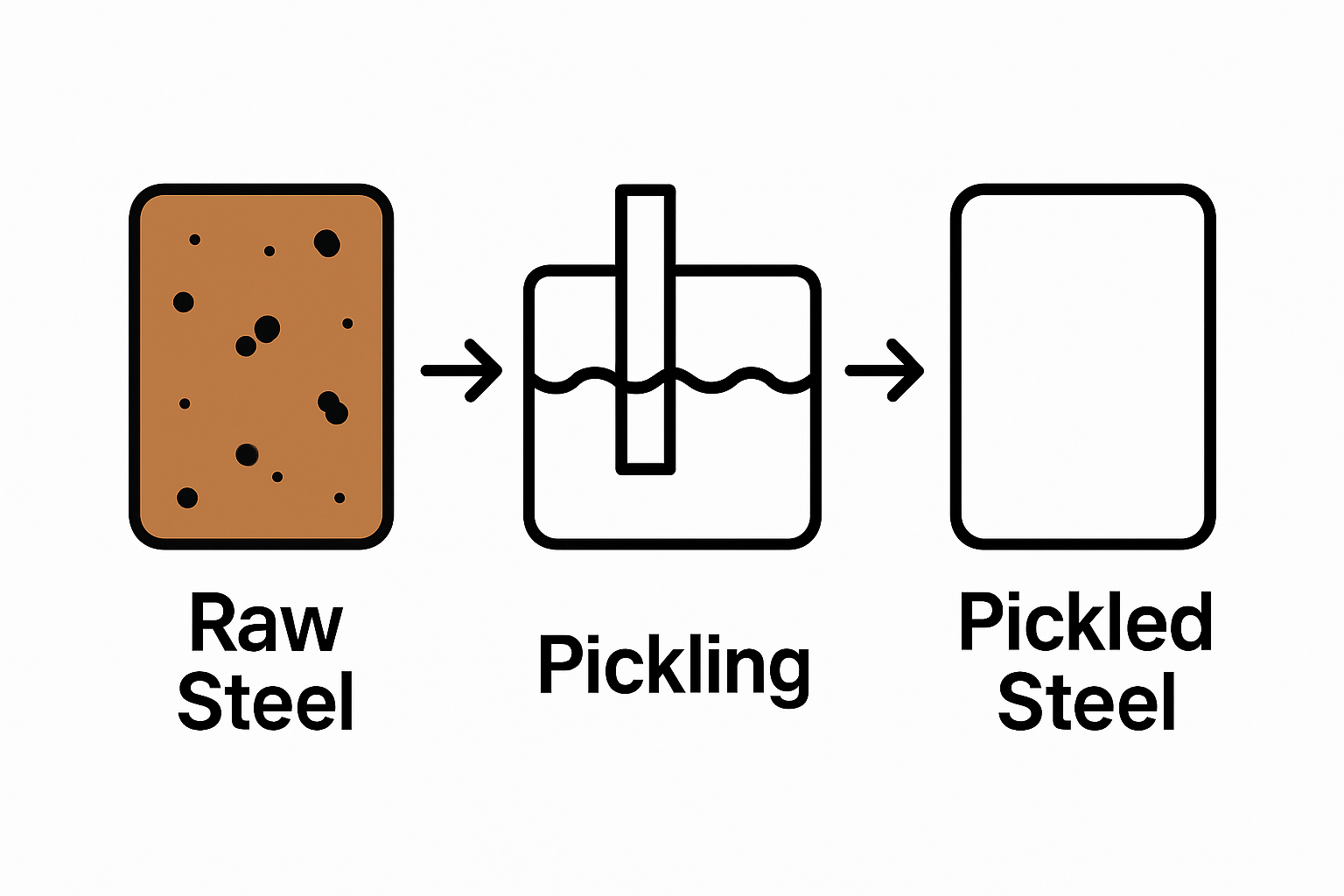
Pickling involves a meticulously controlled sequence of industrial processing steps. Steel sheets or coils are systematically immersed in acid baths, where precise temperature control and acid concentration determine the effectiveness of surface treatment.
The industrial pickling process typically follows these fundamental stages:
- Surface preparation and initial cleaning
- Acid bath immersion
- Neutralization and rinsing
- Drying and post-treatment inspection
Manufacturers must carefully monitor acid concentration, immersion duration, and temperature to ensure optimal surface preparation without compromising the steel’s mechanical properties.
Below is a table outlining the typical stages of the industrial steel pickling process alongside a brief description. This helps clarify each step and its role in surface preparation.
| Stage | Description |
|---|---|
| Surface preparation and cleaning | Initial removal of loose dirt, grease, or contaminants before acid immersion. |
| Acid bath immersion | Steel is submerged in controlled acidic solutions to dissolve mill scale and oxides. |
| Neutralisation and rinsing | Treated steel is neutralised to halt acid reaction and thoroughly rinsed to remove residues. |
| Drying | Steel is dried to prevent moisture-related corrosion and prepare for inspection. |
| Post-treatment inspection | Final assessment ensures the surface meets required cleanliness and quality standards. |
Key Characteristics and Benefits of Using Pickled Steel
Pickled steel represents a sophisticated material solution that offers exceptional performance characteristics across multiple industrial applications. By transforming the surface properties of steel, this specialized treatment unlocks remarkable advantages that significantly enhance material functionality and durability.
Surface Quality and Performance Attributes
Explore our advanced steel processing methods demonstrates the critical role of surface preparation in metal manufacturing. According to research from the American Galvanizers Association, pickled steel provides several distinctive characteristics that set it apart from untreated materials.
Key performance characteristics include:
- Superior surface cleanliness
- Enhanced corrosion resistance
- Improved adhesion properties
- Uniform and consistent surface texture
- Reduced potential for material defects
Economic and Manufacturing Advantages
Pickled steel delivers substantial economic benefits by enabling more efficient manufacturing processes. The clean and uniform surface allows for:
- More precise welding techniques
- Better paint and coating adhesion
- Reduced surface preparation time
- Lower probability of manufacturing defects
- Extended product lifespan
Manufacturers across automotive, construction, and industrial sectors recognize pickled steel as a superior material choice. Its ability to maintain structural integrity while providing exceptional surface quality makes it an indispensable solution for high-performance engineering applications.
Real-World Applications: Where Pickled Steel is Commonly Used
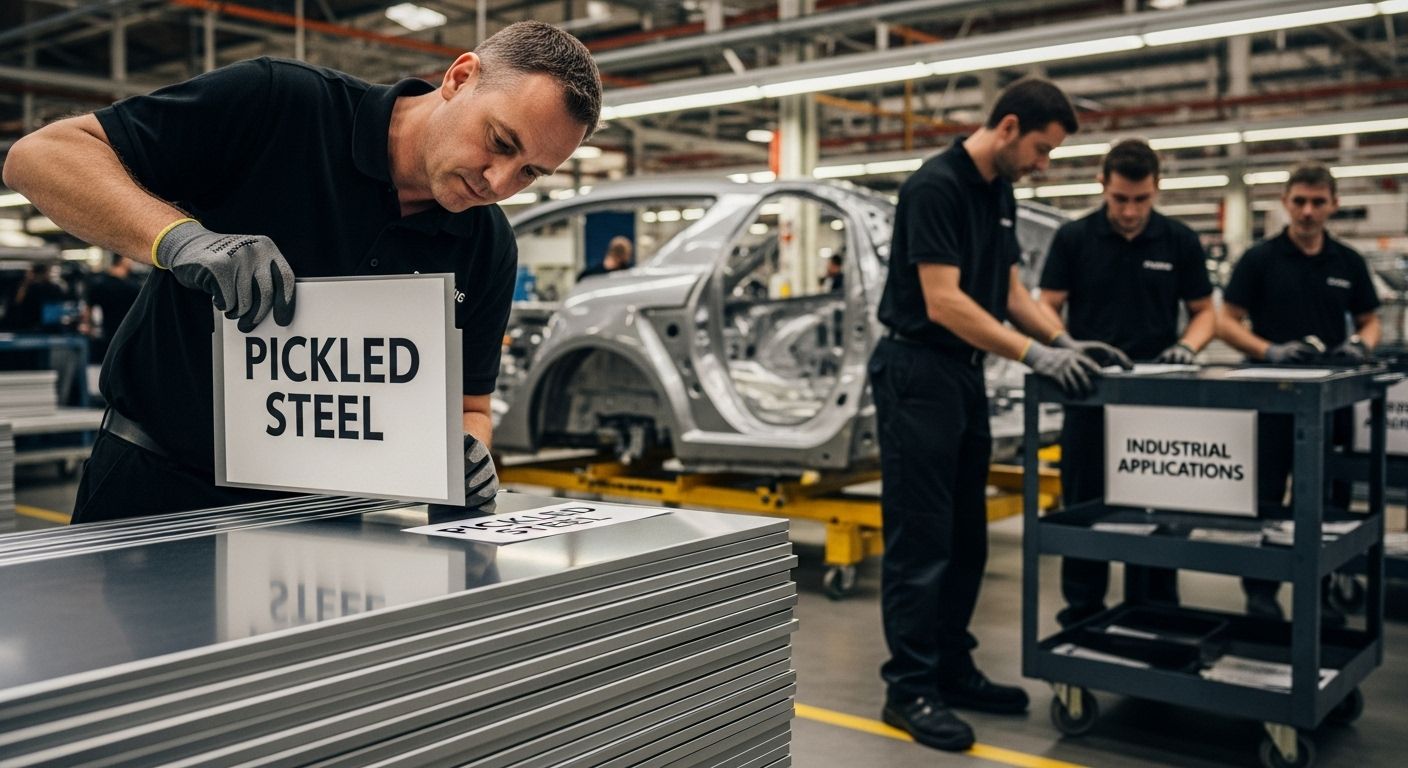
Pickled steel serves as a versatile material solution spanning multiple critical industrial sectors, providing exceptional performance and reliability across diverse manufacturing environments. Its unique surface characteristics enable advanced engineering applications that demand precise material properties and superior surface quality.
Industrial Manufacturing Sectors
Learn more about advanced steel processing techniques reveals the extensive range of applications for pickled steel. According to research from the National Institute of Standards and Technology, pickled steel finds widespread use in several critical industries.
This table summarises the key industrial sectors and specific applications where pickled steel is most commonly utilised, making it easier to see its broad-ranging relevance in manufacturing.
| Industry Sector | Common Applications |
|---|---|
| Automotive manufacturing | Body panels, frames, brackets |
| Construction and infrastructure | Beams, structural frameworks, bridges |
| Pipe and tubing production | Pipes for water, gas, and structural uses |
| Household appliance fabrication | Casings, structural parts, internal frames |
| Agricultural machinery manufacturing | Tractor parts, combines, implements |
| Industrial equipment construction | Heavy-duty components and structural bases |
Key industrial applications include:
- Automotive component manufacturing
- Construction and infrastructure development
- Pipe and tubing production
- Household appliance fabrication
- Agricultural machinery manufacturing
- Industrial equipment construction
Specialized Engineering Applications
Pickled steel demonstrates remarkable versatility through its adaptable surface properties and enhanced material performance. Engineers and manufacturers leverage this material in applications requiring:
- Precise cold forming capabilities
- Superior coating adhesion
- Corrosion resistance
- High structural integrity
- Uniform surface texture
The material’s ability to withstand complex manufacturing processes makes it an essential component in sectors demanding rigorous quality standards and exceptional material reliability. From intricate automotive parts to robust industrial machinery, pickled steel continues to drive technological innovation across multiple engineering domains.
Elevate Your Steel Projects with Reliable Pickled Steel Supply
Are you struggling with achieving a consistent, high-quality finish for your steel fabrication and manufacturing? If you face challenges like corrosion risk or poor coating adhesion after the pickling process, you need a supply partner who truly understands the importance of surface preparation and metal quality. At Genesis Steel, we specialise in providing premium hot-rolled steel sheets and plates that meet the exacting standards explained throughout this article. Discover a variety of steel types in our Uncategorised selection for all your project requirements.
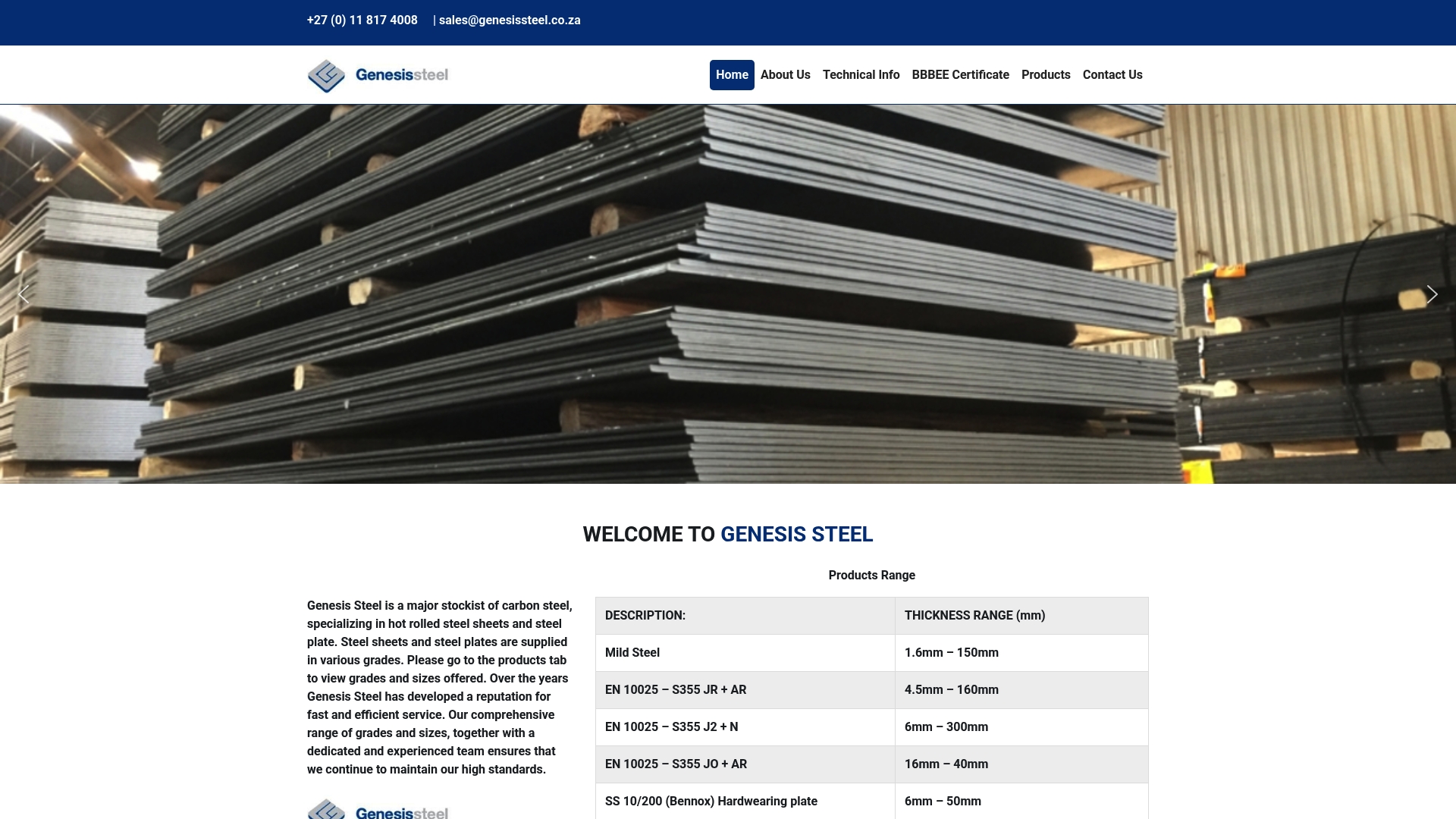
Do not let surface flaws or inconsistent materials slow down your business. Experience fast delivery, exceptional quality, and expert support by choosing Genesis Steel as your trusted supplier in Gauteng. Visit Genesis Steel today and let our knowledgeable team guide you to the right pickled steel solution for your next project. Secure the reliability and performance your operation deserves—contact us now to get started.
Frequently Asked Questions
What is pickled steel and why is it used?
Pickled steel is steel that has undergone a chemical surface treatment, typically involving immersion in acid solutions to remove rust, mill scale, and other impurities. This process improves the quality and performance of the steel, making it suitable for various industrial applications like automotive manufacturing and construction.
How does the pickling process work?
The pickling process involves immersing steel sheets or coils in acid baths, such as hydrochloric or sulfuric acid, to dissolve unwanted surface materials. Following immersion, the steel is neutralized, rinsed, and dried, resulting in a clean and uniform surface that enhances subsequent manufacturing steps.
What are the benefits of using pickled steel in manufacturing?
Pickled steel offers several benefits including improved adhesion properties, enhanced corrosion resistance, and superior surface cleanliness. These characteristics lead to better welding and coating results, reduced surface preparation time, and lower chances of manufacturing defects.
In which industries is pickled steel commonly used?
Pickled steel is commonly utilized in automotive manufacturing, construction, renewable energy equipment production, machinery fabrication, and agricultural machinery manufacturing. Its versatile surface properties make it valuable in applications requiring high structural integrity and precise engineering.